 English
 Arabic
 French
 German
 Indonesian


English
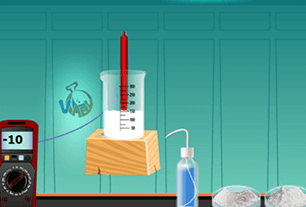
Endothermic reactionsKeywords (English): endothermic reactions – energy absorption – thermal change
Chemistry
Endothermic reactionsKeywords (English): endothermic reactions – energy absorption – thermal change
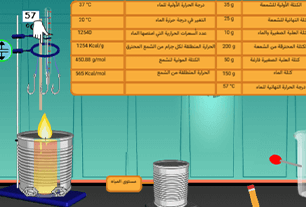
the goal:Measuring the change in temperature of a mass of water during a combustion reaction.Materia......
Chemistry
the goal:Measuring the change in temperature of a mass of water during a combustion reaction.Materials and tools:Candle - Small metal box - Large open-ended metal box - Steel wool - Balance - Pen - Stirring rod - ThermometerSteps:1. Light the candle and weigh the large container.2. Fill the containe......
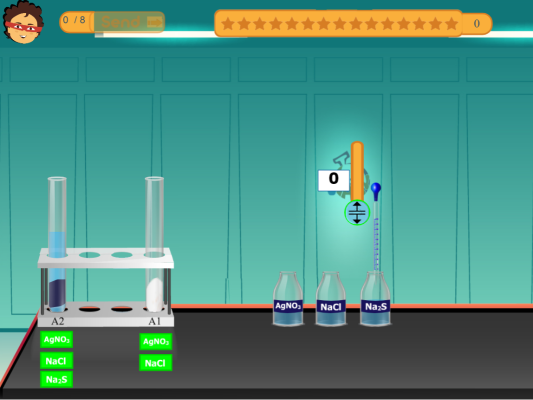
Keywords: Solubility product – Sparingly soluble salts – Equilibrium – Solutions – Comparison
Chemistry
Keywords: Solubility product – Sparingly soluble salts – Equilibrium – Solutions – Comparison
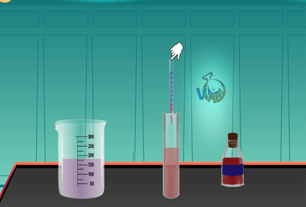
Keywords: Equilibrium – Equal forces – Rest – Uniform motion
Chemistry
Keywords: Equilibrium – Equal forces – Rest – Uniform motion
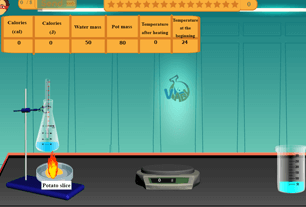
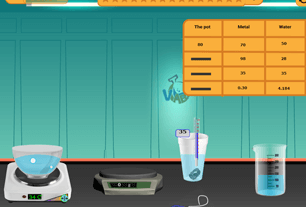
Keywords: Specific heat – Thermal energy – Mass – Temperature
Chemistry
Keywords: Specific heat – Thermal energy – Mass – Temperature
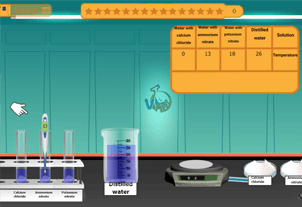
Keywords: Cold materials – Heat transfer – Absorption – Temperature
Chemistry
Keywords: Cold materials – Heat transfer – Absorption – Temperature
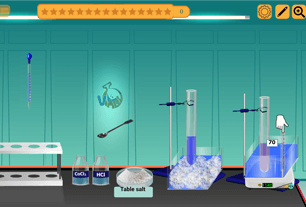
Keywords: Equilibrium – Forces – Motion – Position – Physics
Chemistry
Keywords: Equilibrium – Forces – Motion – Position – Physics
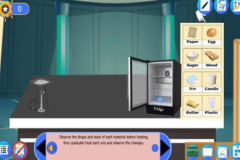
Objective: To distinguish between reversible and irreversible reactions.Materials: Candle – white pa......
Investigate Matter
Objective: To distinguish between reversible and irreversible reactions.Materials: Candle – white paper – egg – ice cubes – sugar – butter – heat source – heat-resistant container – tongs.Procedure: Observe each material before heating. Heat each material gradually and record the changes. Cool each......
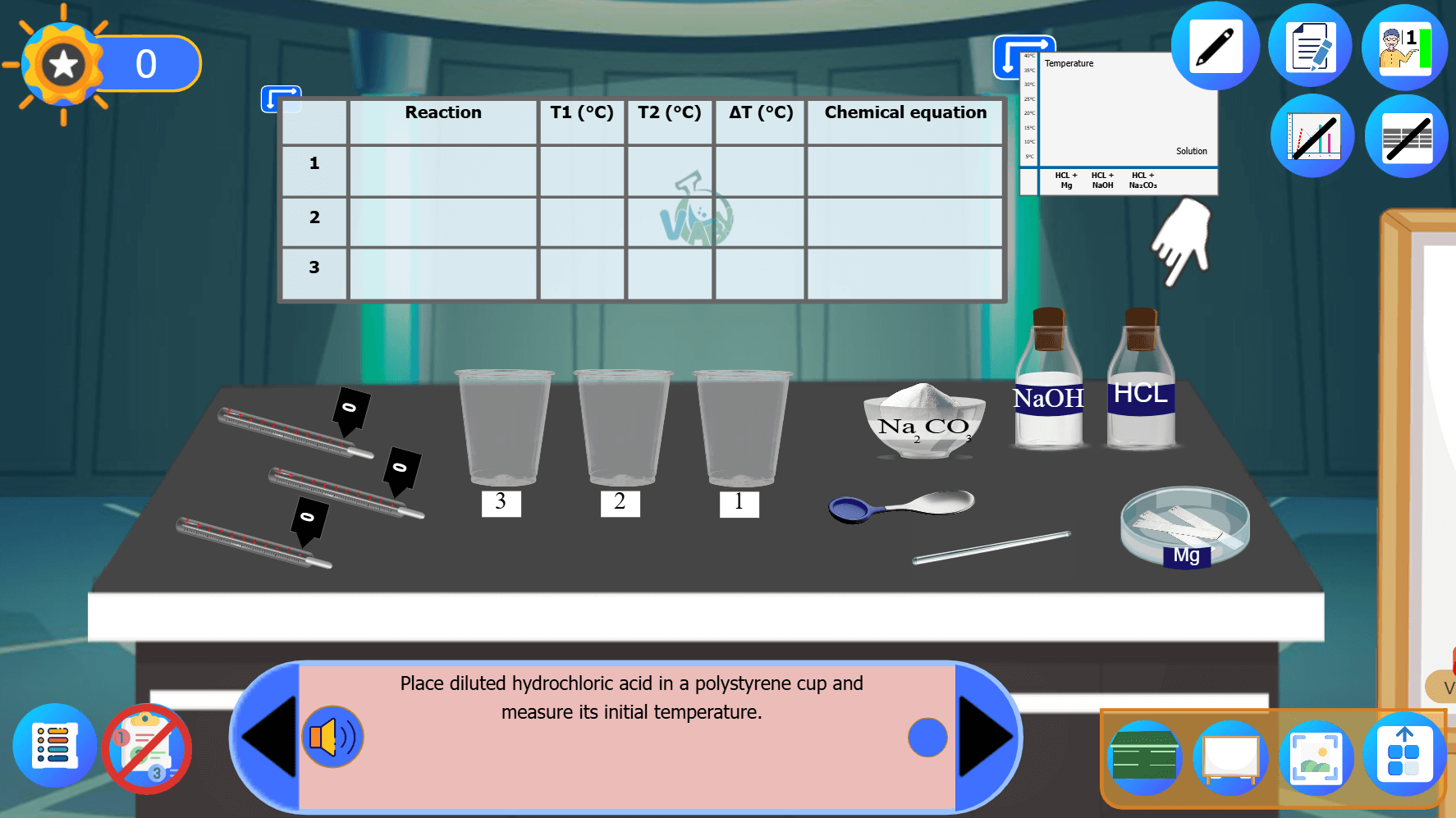
Objective: To prove that some chemical reactions are accompanied by the release of thermal energy, w......
Science
Objective: To prove that some chemical reactions are accompanied by the release of thermal energy, which leads to an increase in the temperature of the surrounding medium.Materials: Dilute hydrochloric acid – Magnesium ribbon – Sodium hydroxide solution – Sodium carbonate – Polystyrene cups – Glass......
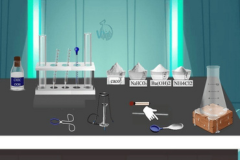
Objective: To identify chemical reactions that absorb thermal energy from the surroundings, leading......
Science
Objective: To identify chemical reactions that absorb thermal energy from the surroundings, leading to a decrease in temperature.Tools: Barium hydroxide - Ammonium chloride - Sodium bicarbonate - Dilute acid - Calcium carbonate - Glass flask - Insulated cup - Thermometer - Heat sourceSteps: Barium h......

© All Rights Reserved @ 2026 For VLaby - Powered By VLaby.