 English
  Arabic
  French
  German
  Indonesian

English
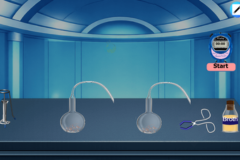
Objective: To determine whether microorganisms can arise spontaneously from broth or whether they co......
Objective: To determine whether microorganisms can arise spontaneously from broth or whether they come from microorganisms present in the air.Materials: Glass flasks with curved necks (swan-neck flasks) Clear nutrient broth Heat source for boiling the brothSteps: Place clear nutrient broth in flasks......
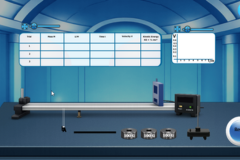
Objective: Determine the kinetic energy of a moving object and study the relationship between the ob......
Work, energy and power
Objective: Determine the kinetic energy of a moving object and study the relationship between the object's speed and mass when displacement is constant.Materials: Glider moving on an air track _ Elastic rubber cord _ Photogate sensor _ Electric timer or stopwatch _ Ruler for measuring distanceSteps:......
Movement into and out of cells
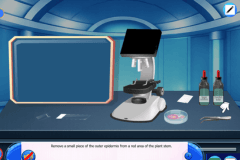
Objective: To study the effect of a concentrated solution on plant cells and observe plasmolysis res......
Movement into and out of cells
Objective: To study the effect of a concentrated solution on plant cells and observe plasmolysis resulting from water leaving the cell by osmosis.Materials: Small piece of red onion epidermis _ Microscope slide _ Cover slip _ Dropper _ Distilled water _ 30% sugar solution _ Blotting paper _ Light mi......
.png)
Objective: Preparation of ethyne gas from calcium carbide. To identify the reaction of calcium carbi......
Objective: Preparation of ethyne gas from calcium carbide. To identify the reaction of calcium carbide with water.Materials: Gas preparation apparatus (flask + dropping funnel) _ Calcium carbide CaC₂ _ Water _ Bottle containing copper sulfate solution in dilute sulfuric acid _ Water trough _ Inverte......
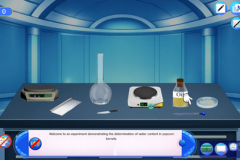
Objective: To determine the water content in popcorn kernels by measuring mass before and after heat......
Objective: To determine the water content in popcorn kernels by measuring mass before and after heating.Materials: Glass beaker _ 20 popcorn kernels _ 5 mL cooking oil _ aluminum foil _ electronic balance _ stove or hot plateProcedure: Add 5 mL of cooking oil to a clean glass beaker. Measure the mas......
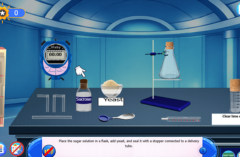
Objective: To study alcoholic fermentation of sugars and understand how sugars are converted into et......
Objective: To study alcoholic fermentation of sugars and understand how sugars are converted into ethanol.Materials: Glass flask _ sugar solution (molasses or sucrose solution) _ yeast _ stopper with delivery tube _ limewater beakerProcedure: Place the sugar solution in the flask. Add an appropriate......
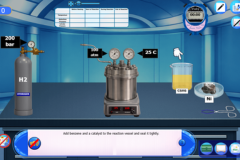
Objective: To study the hydrogenation reaction of aromatic compounds. To understand how an unsaturat......
Objective: To study the hydrogenation reaction of aromatic compounds. To understand how an unsaturated compound (benzene) is converted into a saturated compound (cyclohexane).Materials: Sealed reaction flask _ hydrogen gas _ liquid benzene _ nickel catalyst _ heat source from 100 to 200 degrees Cels......
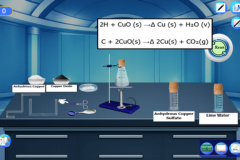
Objective: To detect the presence of carbon and hydrogen elements in organic compounds.Materials: Te......
Objective: To detect the presence of carbon and hydrogen elements in organic compounds.Materials: Test tube _ heat source _ organic substances _ copper oxide _ anhydrous copper sulfate white _ clear limewater _ delivery tubeProcedure: Place a small amount of an organic substance inside a test tube.......
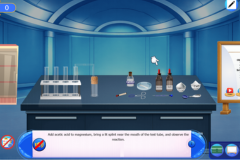
Objective: To study the acidic properties of acetic acid. To identify its reactions with metals, met......
Objective: To study the acidic properties of acetic acid. To identify its reactions with metals, metal oxides, bases, and carbonates.Materials: Test tubes with holder _ dropper _ acetic acid _ magnesium strip _ calcium oxide _ sodium hydroxide solution _ sodium bicarbonate _ burning match or glowing......
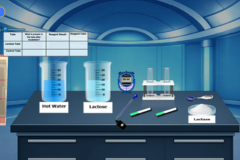
Objective: To study the effect of lactase enzyme on lactose sugar and prove the ability of enzymes t......
Objective: To study the effect of lactase enzyme on lactose sugar and prove the ability of enzymes to break down disaccharides into monosaccharides that can be detected using Benedict’s test or glucose strips.Materials: 2% lactose solution _ two test tubes _ lactase enzyme (powdered tablet) _ beaker......
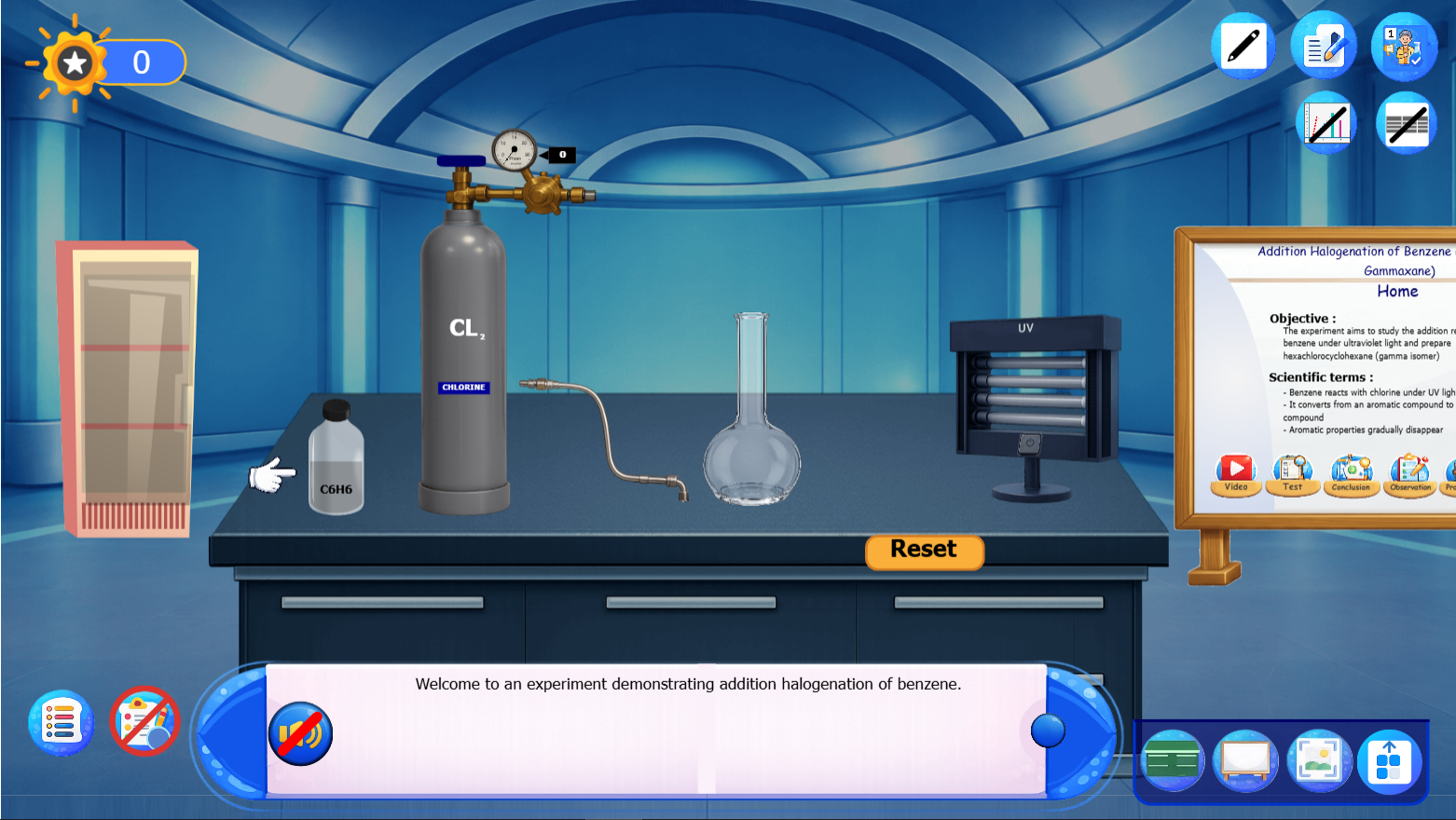
Objective: To study the addition reaction of benzene under the effect of ultraviolet radiation. To p......
Objective: To study the addition reaction of benzene under the effect of ultraviolet radiation. To prepare cyclohexane hexachloride compound (gammaxane).Materials: Sealed glass flask _ benzene _ chlorine gas _ ultraviolet light source _ gas inlet tubeProcedure: Place a suitable amount of liquid benz......
Objective: To identify the components of blood (red blood cells, white blood cells, and platelets) u......
biology
Objective: To identify the components of blood (red blood cells, white blood cells, and platelets) using a microscope, and understand the method of fixing and staining samples.Materials: Single-use lancet _ cotton _ glass slides _ compound light microscope _ dropper _ 95% ethanol _ red eosin solutio......
Objective: To identify methods for detecting phenol and distinguishing it from other compounds.Mater......
Chemistry
Objective: To identify methods for detecting phenol and distinguishing it from other compounds.Materials: Test tubes _ dropper _ aqueous phenol solution _ iron chloride solution _ bromine water _ sodium hydroxide solutionProcedure: Place a quantity of phenol solution in a test tube. Add a few drops......
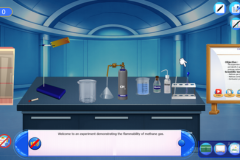
Objective: To observe the combustion of methane gas and identify it as an exothermic combustion reac......
Objective: To observe the combustion of methane gas and identify it as an exothermic combustion reaction that produces carbon dioxide gas and water vapor.Materials: Large glass beaker _ liquid soap _ glycerin _ water _ rubber tube connected to a methane gas source _ small funnel _ candle fixed on a......
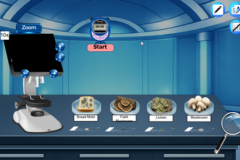
Objective: To identify fungal diversity by examining different samples with the naked eye and then u......
Science
Objective: To identify fungal diversity by examining different samples with the naked eye and then under the microscope, and comparing their morphological characteristics.Materials: Fungal samples _ mushroom _ bread mold _ lichen _ bracket fungus _ prepared microscope slides for each sample _ light......
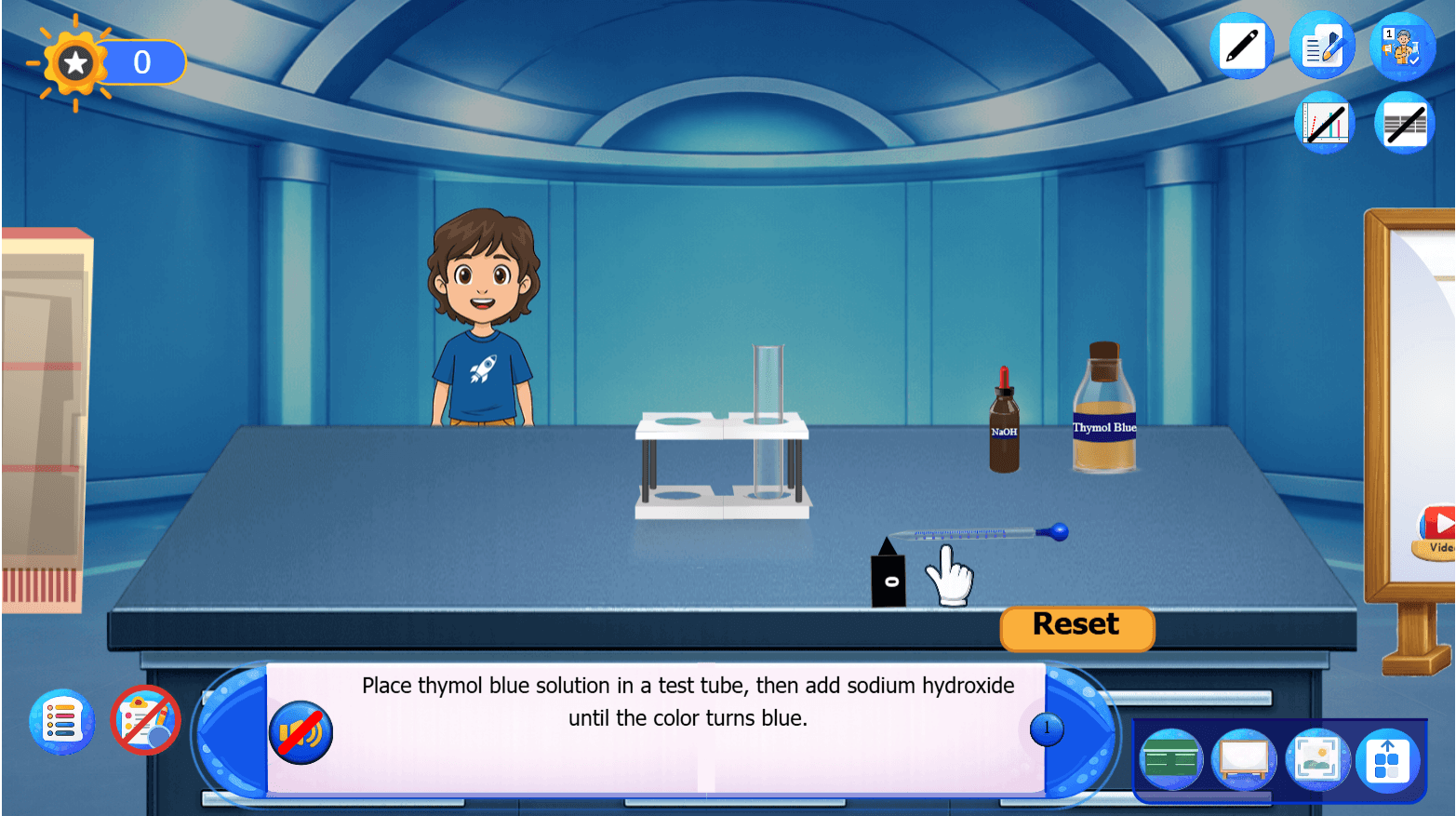
Objective: To prove that carbon dioxide gas in human exhaled air reacts with water to form carbonic......
Objective: To prove that carbon dioxide gas in human exhaled air reacts with water to form carbonic acid, and observe its effect on the color change of thymol indicator according to pH.Materials: Test tube _ blue thymol solution _ sodium hydroxide solution _ plastic pipetteProcedure: Pour 5 mL of bl......

© All Rights Reserved @ 2026 For VLaby - Powered By VLaby.