 English
 Arabic
 French
 German
 Indonesian

English
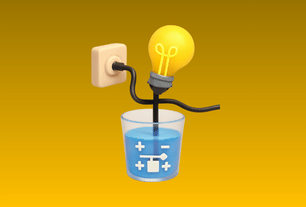
Studies the relationship between electrical energy and chemical reactions (redox), focusing on electrochemical cells and measuring cell potential and conductivity.

Study of techniques and methods used to determine composition of substances and analyze chemical components
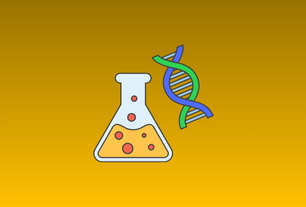
Experiments exploring chemical reactions within living organisms, such as proteins and enzymes.
Interactive science experiments for middle school students covering topics in physics, chemistry, biology, and environment.
Interactive science experiments for middle school students covering topics in physics, chemistry, biology, and environment.
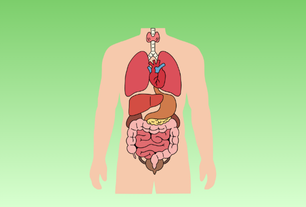
Study of human body systems and their functions, including coordination, structure, and interaction between organs

Focuses on the study of plants, their growth, structure, and ecological importance.
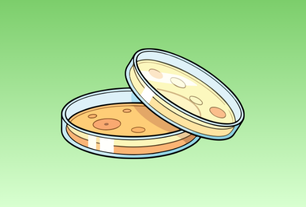
Combines chemistry and biology to understand reactions within living organisms.

This group combines the study of Earth’s structure and natural phenomena with the exploration of outer space and celestial bodies to understand the universe around us.
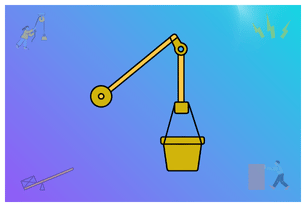
It focuses on balanced objects, simple machines, and frictional forces.
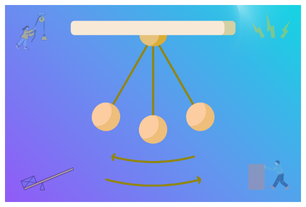
Studies conservation of mechanical energy, work, and the effect of gravity and free fall.
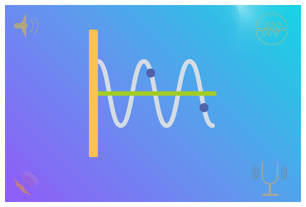
Studies vibrational and wave motion, sound properties (intensity, pitch), reflection, and diffraction.
Focuses on basic measurement techniques and using laboratory tools (like balances and scales) to accurately determine weights, masses, and dimensions.
Studies atomic structure, subatomic particles, quantum phenomena, radiation, and molecular composition.
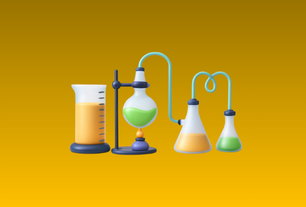
Study of methods for preparing substances and gases in laboratory and understanding conditions and safety precautions
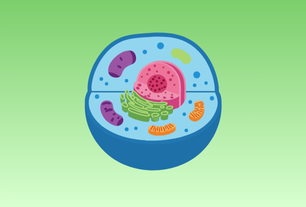
Focuses on the structure and function of the cell (plant/animal), cell division, the principles of heredity, and the role of DNA.
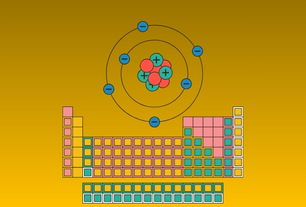
Study of matter structure, atomic arrangement, and physical and chemical properties influencing behavior and interactions
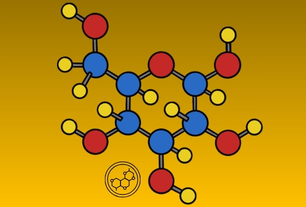
Study of carbon-containing compounds including hydrocarbons and their derivatives to understand reactions and applications
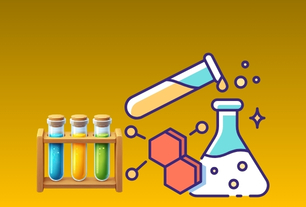
Study of mixtures and solutions, their types, properties, and methods of separation and concentration
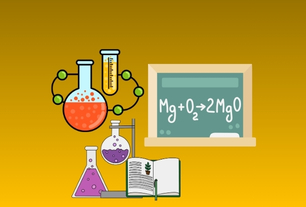
Study of chemical equations and calculations, including balancing equations and applying mole relationships in reactions
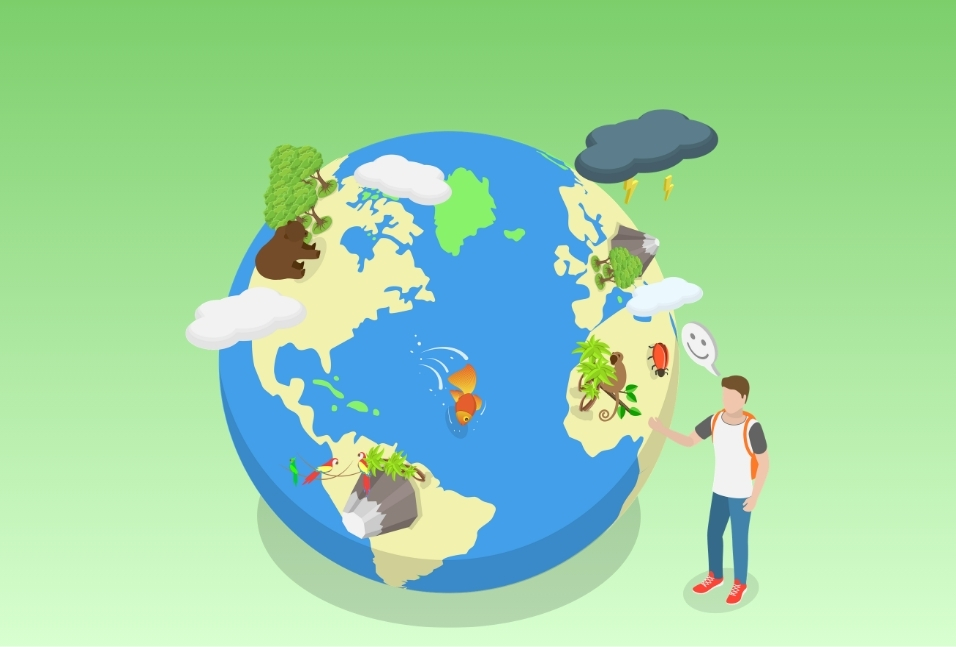
Study of classifying living organisms into groups based on similarities, differences, and evolutionary relationships
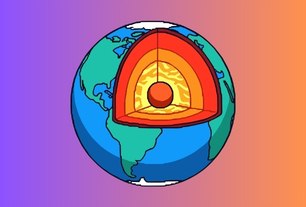
Study of Earth’s structure, internal layers, rock formation, and processes shaping the planet over time
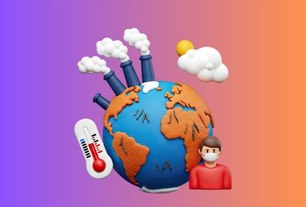
Study of atmosphere layers, climate patterns, and soil formation with factors affecting environment and life
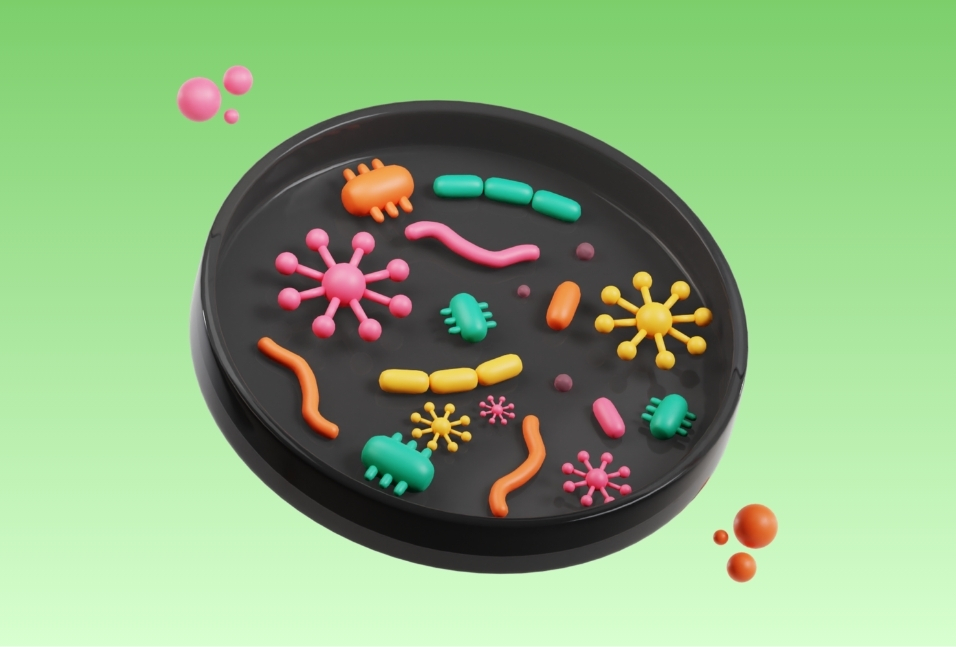
Study of microorganisms like bacteria, viruses, and fungi, their structure, behavior, and roles in environment and health

© All Rights Reserved @ 2026 For VLaby - Powered By VLaby.