English
 Arabic
 French
 German
 Indonesian


English
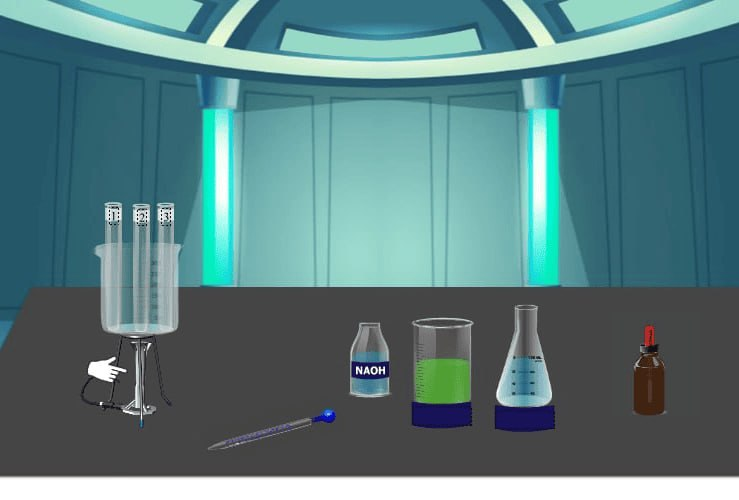
Fat Digestion Investigationfat digestion – lipase – bile – emulsification – digestive system
biology
Fat Digestion Investigationfat digestion – lipase – bile – emulsification – digestive system
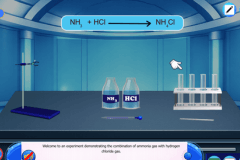
Keywords: Ammonia – Hydrogen chloride – White vapor – Gas combination
Science
Keywords: Ammonia – Hydrogen chloride – White vapor – Gas combination
Keywords: Chemical reaction – Reactants – Products – Change
Science
Keywords: Chemical reaction – Reactants – Products – Change

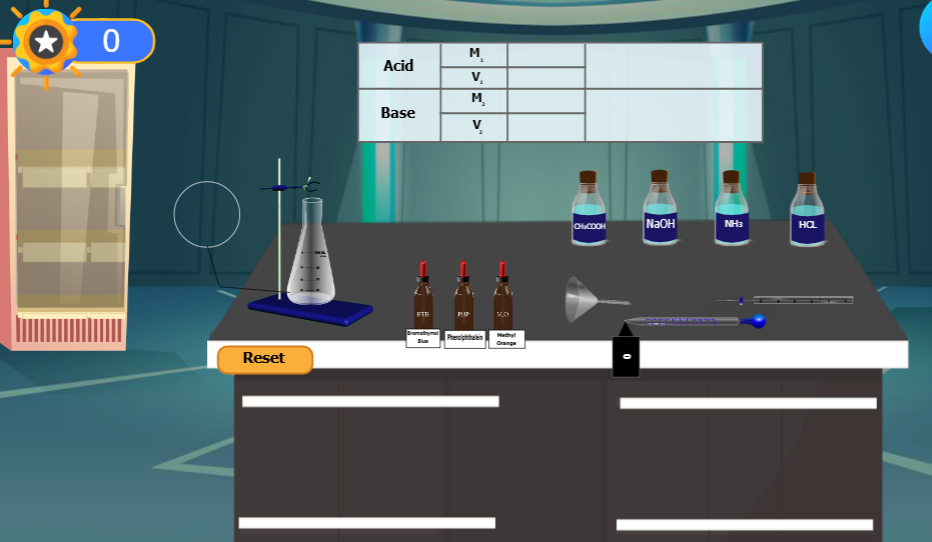
Keywords: Acids – Bases – Indicators – pH – Color
Chemistry
Keywords: Acids – Bases – Indicators – pH – Color
Keywords: Reaction rate – Chemical reactions – Rate of reaction – Variables
Chemistry
Keywords: Reaction rate – Chemical reactions – Rate of reaction – Variables
This experiment aims to determine the density of solid objects by measuring their mass and volume. T......
Science
This experiment aims to determine the density of solid objects by measuring their mass and volume. The mass is measured using a balance, while the volume is determined either from the object’s dimensions (if it has a regular shape) or by water displacement in a graduated cylinder (if irregular). The......
The goal of the experiment This experiment aims to practically determine the density of a liquid. Ex......
physics
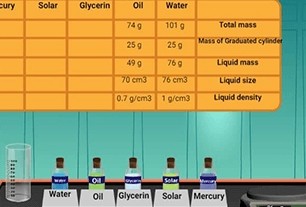
The goal of the experiment This experiment aims to practically determine the density of a liquid. Experiment Tools Scale - Included tester - different liquids with different volumes Steps of the experiment Choose a few different sized liquids from the lab library. Weigh the tester blank inserted and......
Science curriculum for the first grade of middle school The first unit: periodicity of the element......
Science
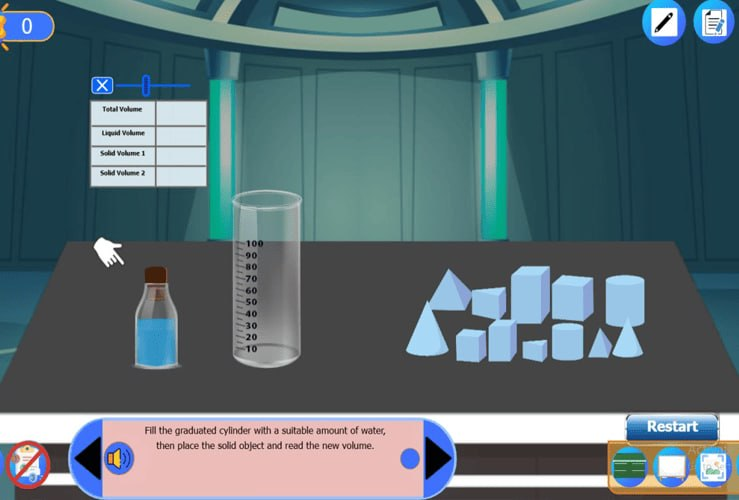
Science curriculum for the first grade of middle school The first unit: periodicity of the element Lesson two: List the properties of the elements in the periodic tableObjective: Determine the volume of a solid object using the known volume of a liquidMaterials: Graduated cylinder – Water – Various......
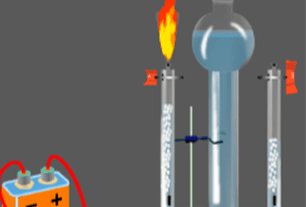
Objective:Learn how the Hofmann apparatus works and use it to electrolyze water into hydrogen and ox......
chemistry
Objective:Learn how the Hofmann apparatus works and use it to electrolyze water into hydrogen and oxygen gases, while observing the amount of gas produced at each electrode.Materials:Hofmann apparatus – Electrical power source battery – Water – Dilute sulfuric acid H₂SO₄ – Dropper – Connecting wires......
Unit one: chemical reactions. Lesson one: chemical reactions.Keywords (English): mercury oxide......
Chemistry
Unit one: chemical reactions. Lesson one: chemical reactions.Keywords (English): mercury oxide – thermal decomposition – mercury – oxygen
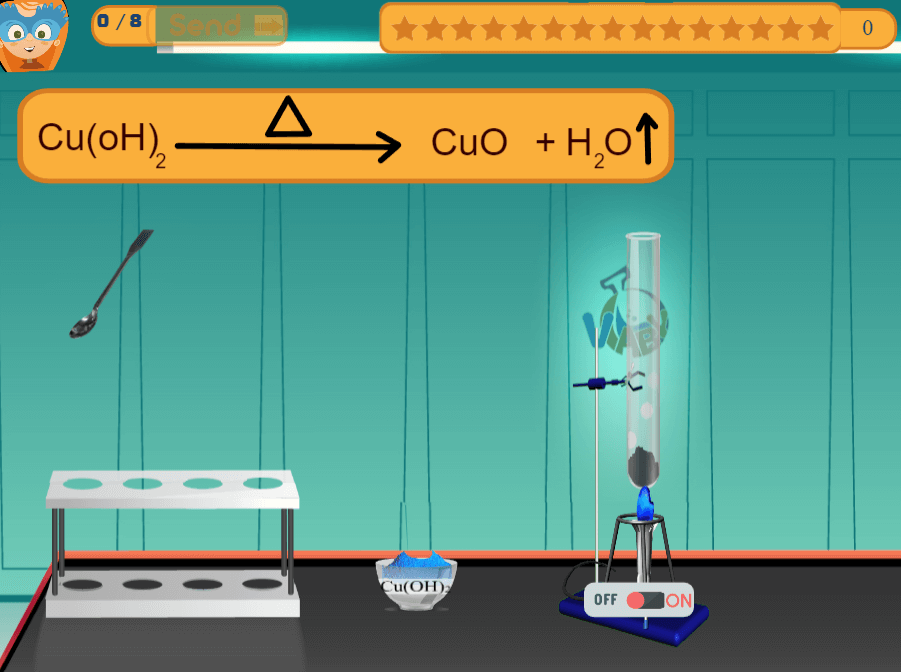
Unit one: chemical reactions. Lesson one: chemical reactions.Keywords (English): copper hydrox......
Chemistry
Unit one: chemical reactions. Lesson one: chemical reactions.Keywords (English): copper hydroxide – thermal decomposition – heating – oxides
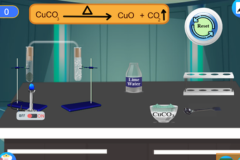
Unit one: chemical reactions. Lesson one: chemical reactions.Keywords (English): copper carbona......
Science
Unit one: chemical reactions. Lesson one: chemical reactions.Keywords (English): copper carbonate – heating – decomposition – carbon dioxide
Unit one: chemical reactions. Lesson one: chemical reactions.Objective: To study the thermal......
Science
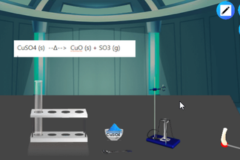
Unit one: chemical reactions. Lesson one: chemical reactions.Objective: To study the thermal decomposition of copper sulfate.Materials: Copper sulfate _ Spoon _ Bunsen burner _ Test tubeSteps: Heat a small amount of blue copper sulfate in a test tube using a Bunsen burner.Observation: A black......

Unit one: chemical reactions. Lesson one: chemical reactions.Keywords (English): thermal deco......
Science
Unit one: chemical reactions. Lesson one: chemical reactions.Keywords (English): thermal decomposition – sodium nitrate – heat – oxides – thermal reaction
Unit one: chemical reactions. Lesson one: chemical reactions.Keywords (English): silver nitrate......
Science
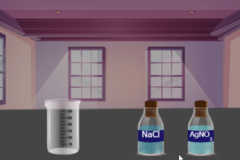
Unit one: chemical reactions. Lesson one: chemical reactions.Keywords (English): silver nitrate – sodium chloride – white precipitate – precipitation reaction
The process of oxidation and reduction according to the traditional conceptKeywords (English): oxida......
Chemistry
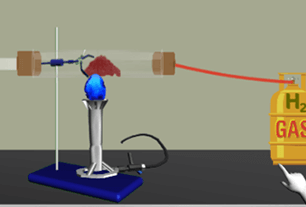
The process of oxidation and reduction according to the traditional conceptKeywords (English): oxidation – reduction – electron loss – electron gain – redox reactions
Unit One: Chemical Reactions. Lesson two: the speed of chemical reactions.Keywords (English): r......
Chemistry
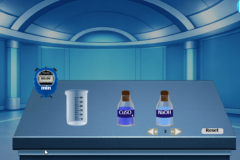
Unit One: Chemical Reactions. Lesson two: the speed of chemical reactions.Keywords (English): reaction rate – time – reactants – products – chemistry
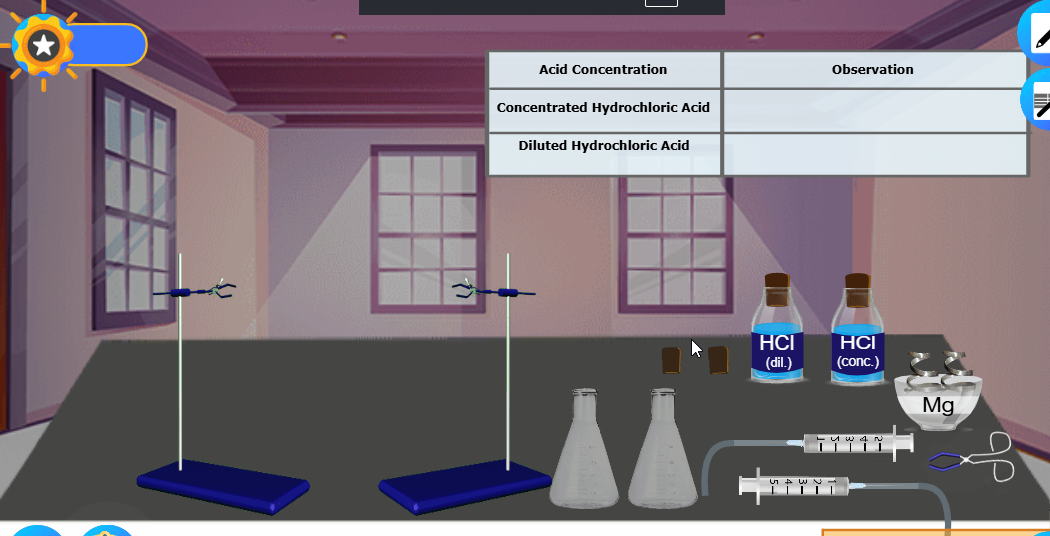
Unit One: Chemical Reactions. Lesson two: the speed of chemical reactions.Keywords (English): c......
Chemistry
Unit One: Chemical Reactions. Lesson two: the speed of chemical reactions.Keywords (English): concentration – reaction rate – reactants – collision frequency
Unit One: Chemical Reactions. Lesson two: the speed of chemical reactions.Keywords (English): s......
Chemistry
Unit One: Chemical Reactions. Lesson two: the speed of chemical reactions.Keywords (English): surface area – reaction rate – reactants – collisions
Objective To observe the effect of temperature on the rate of a chemical reactionTools Two glasses w......
Chemistry
Objective To observe the effect of temperature on the rate of a chemical reactionTools Two glasses with equal amounts of water, one hot and one cold Two effervescent tabletsSteps Place one tablet in the hot water and the other in the cold water Compare the rate of fizzing in both glassesObservation......
Unit One: Chemical Reactions. Lesson two: the speed of chemical reactions.Keywords (English): e......
Chemistry
Unit One: Chemical Reactions. Lesson two: the speed of chemical reactions.Keywords (English): enzymes – reaction rate – catalysts – biochemistry
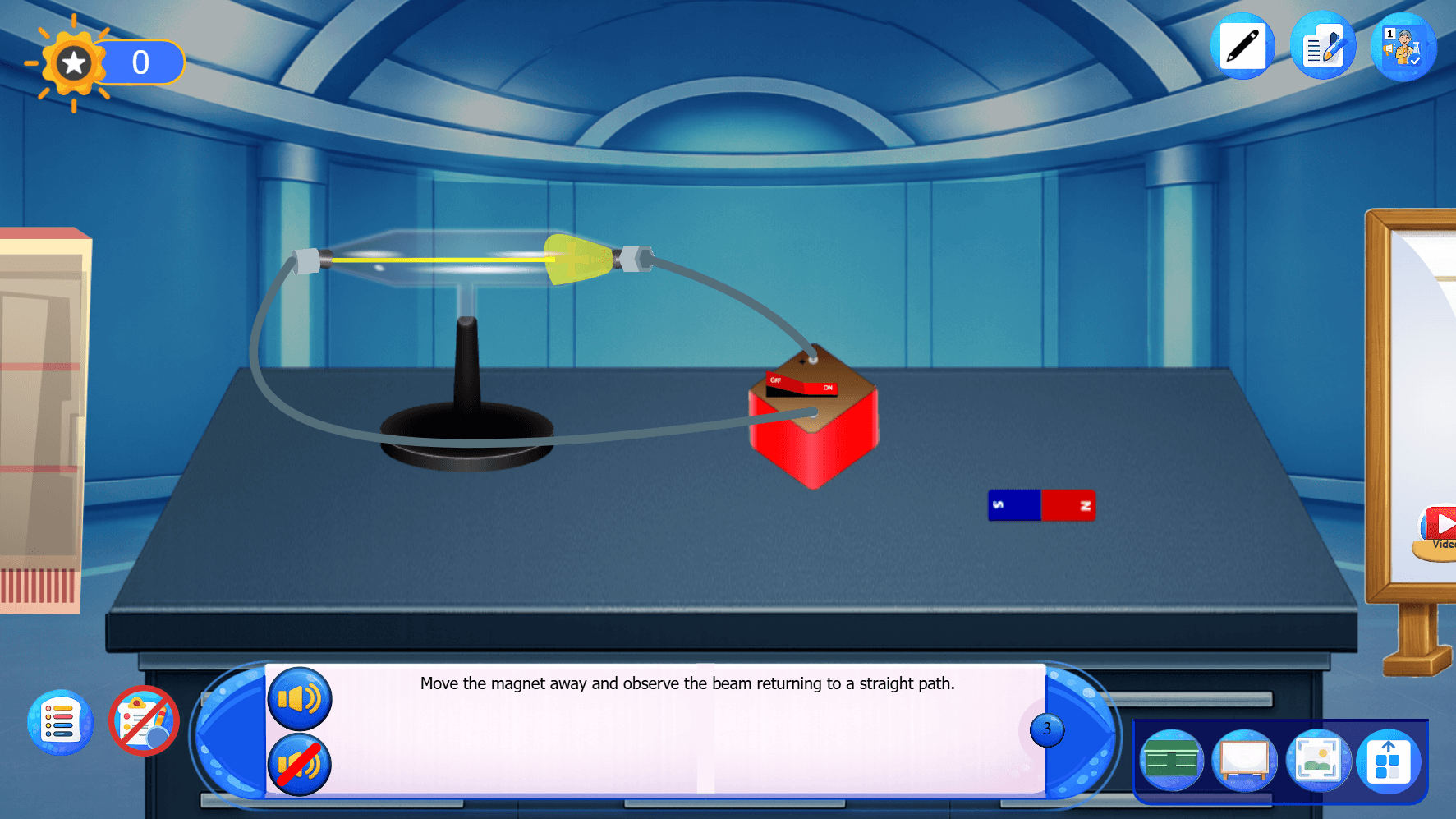
Objective: To deduce that cathode rays are negatively charged particles as proven by ThomsonMaterial......
Chemistry
Objective: To deduce that cathode rays are negatively charged particles as proven by ThomsonMaterials: Cathode ray tube _ electric power source _ magnetSteps: Connect the cathode ray tube to a power source Observe a straight luminous beam inside the tube Bring the magnet closer and observe what happ......
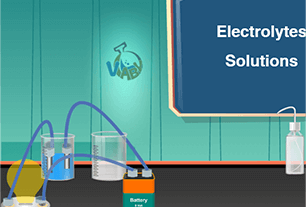
An experiment demonstrating the difference between electrolytic and non-electrolytic solutions by te......
Chemistry
An experiment demonstrating the difference between electrolytic and non-electrolytic solutions by testing their ability to conduct electric current using a simple electrical circuit and observing the brightness of a lamp.Keywords: Electrolytic Solutions - Non-Electrolytic Solutions - Electrical Cond......
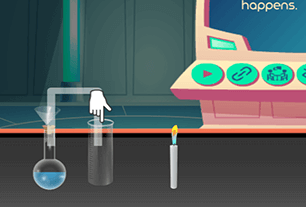
Purpose of experimentPreparation of carbon dioxide gas in the laboratorytoolsgraduated flask - glass......
Chemistry
Purpose of experimentPreparation of carbon dioxide gas in the laboratorytoolsgraduated flask - glass beaker - cork stopper with two holes - glass funnelU-shaped glass tube - dilute hydrochloric acid - calcium carbonatesteps Place the candle in the middle of the lab bench.Light the candle by usi......
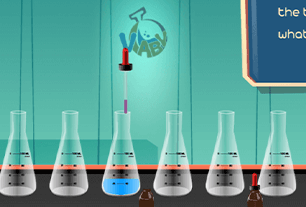
purpose of experiment illustrate chemical indicators tools Hydrochloric acid – sodium hydroxide – o......
Chemistry
purpose of experiment illustrate chemical indicators tools Hydrochloric acid – sodium hydroxide – orange methyl indicator – litmus indicator – bromothymol blue indicator – 12 conical flask – distilled water-Phenolphthalein indicator StepsPut 10 ml of the solution in front of you into each conical......
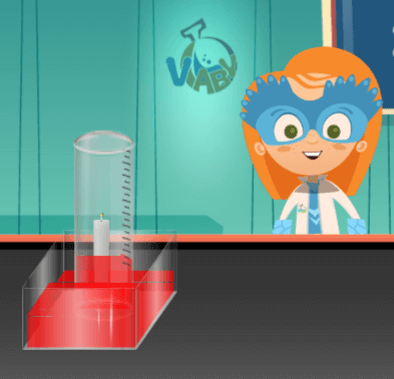
Objective of the experiment:Calculate the volume percentage of oxygen in the airExperiment tools:Gla......
Chemistry
Objective of the experiment:Calculate the volume percentage of oxygen in the airExperiment tools:Glass basin - Graduated cylinder - Candle - Beaker with colored water - Lighter Experiment steps: - Place the candle inside the glass basin .- Pour the colored water into the glass basin .- Light the can......
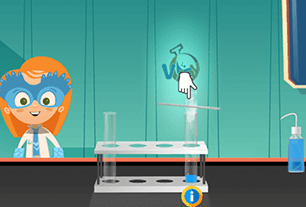
Detection of the chloride anionThis video shows how to do the experimenthttps://youtu.be/_2a2CeQxanw
biology
Detection of the chloride anionThis video shows how to do the experimenthttps://youtu.be/_2a2CeQxanw
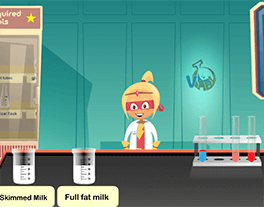
Objective of the experiment:fat detectionExperiment tools:Vegetable oil - Skimmed milk - Whole milk......
biology
Objective of the experiment:fat detectionExperiment tools:Vegetable oil - Skimmed milk - Whole milk - Sudan III solution - Test tubesExperiment steps: - Put 2 ml of milk into test tubes.- Add 5 ml of water into a test tube and then put 2 ml of oil.- Add 10 drops of Sudan III solution to th......
Objective:Identify the effect of the reaction of reactive metals with hydrogenMaterials:Glass beaker......
Chemistry
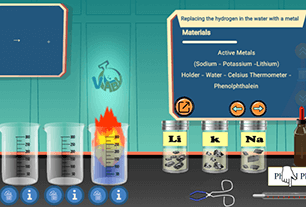
Objective:Identify the effect of the reaction of reactive metals with hydrogenMaterials:Glass beaker – Water – Lithium – Sodium – Potassium – Tongs – Thermometer – Phenolphthalein solutionProcedure:Fill three beakers with equal amounts of water Add a few drops of phenolphthalein solution to each bea......
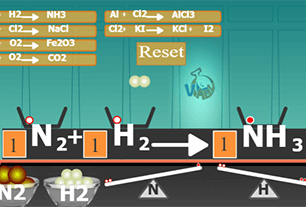
Keywords: Equation balancing – Chemical equilibrium – Reactants – Products – Atoms
Science
Keywords: Equation balancing – Chemical equilibrium – Reactants – Products – Atoms
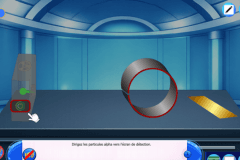
Keywords: Rutherford model – Atomic nucleus – Alpha particles – Gold foil
Chemistry
Keywords: Rutherford model – Atomic nucleus – Alpha particles – Gold foil
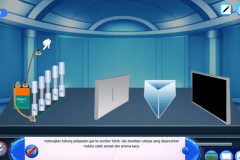
the goal:The hydrogen atom discrete spectroscopyMaterials and tools:Hydrogen gas electrical discharg......
Chemistry
the goal:The hydrogen atom discrete spectroscopyMaterials and tools:Hydrogen gas electrical discharge tube - triple glass prism - white screen - two vertical micro-slits opposite each other - metal rod - connecting wiresSteps:1-Connect the positive terminal of the voltage source to the base of the e......
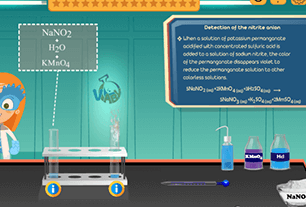
Keywords: Nitrite anion – Griess reaction – Pink color – Chemical analysis
Chemistry
Keywords: Nitrite anion – Griess reaction – Pink color – Chemical analysis
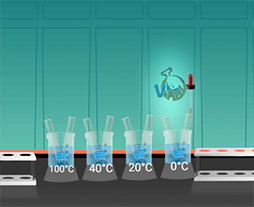
Keywords: Amylase enzyme – Temperature – Digestion – Starch – Enzyme activity
Biology
Keywords: Amylase enzyme – Temperature – Digestion – Starch – Enzyme activity
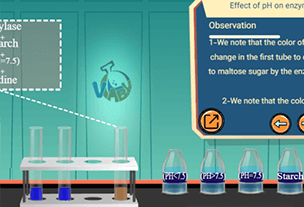
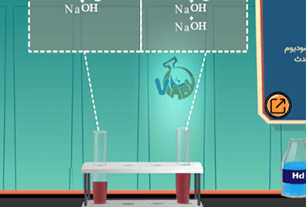
This experiment aims to detect the ferric ion (Fe³⁺) in an iron chloride solution. When bases such a......
Chemistry
This experiment aims to detect the ferric ion (Fe³⁺) in an iron chloride solution. When bases such as ammonium hydroxide or sodium hydroxide are added to the iron chloride solution, a reddish-brown precipitate of ferric hydroxide is formed. When hydrochloric acid is added, this precipitate dissolves......
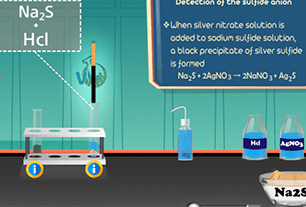
Keywords: Thiosulfate – Chemical analysis – Reaction – Solutions
Chemistry
Keywords: Thiosulfate – Chemical analysis – Reaction – Solutions
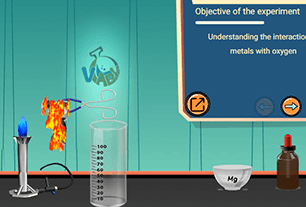
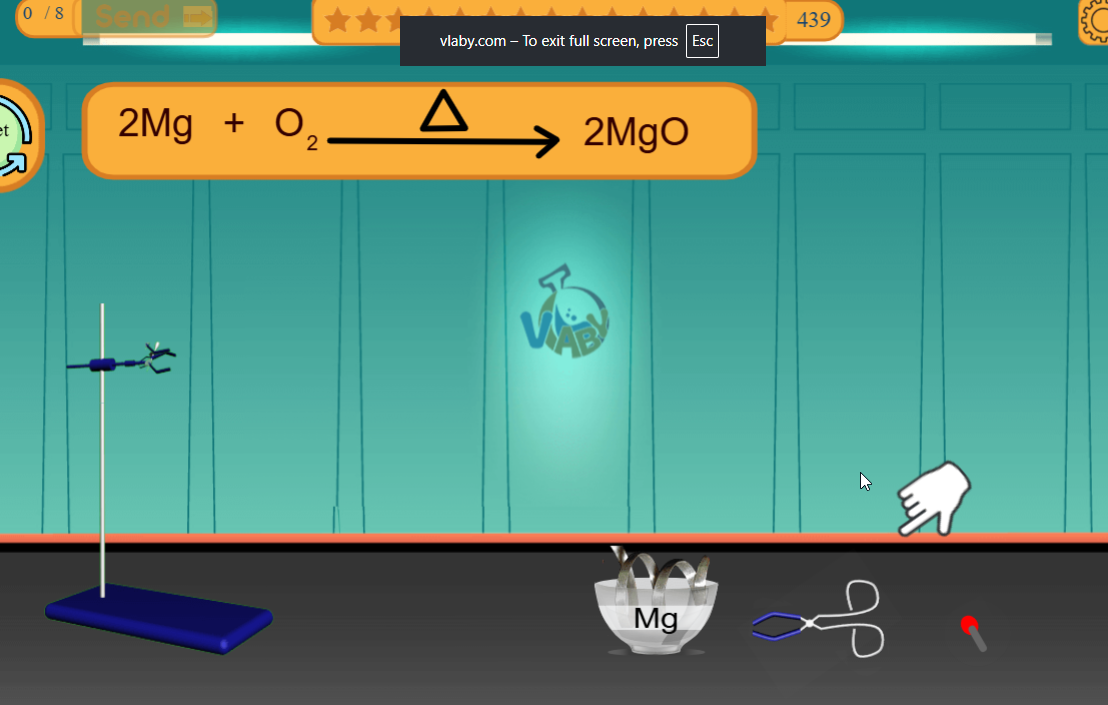
Keywords: Chemical properties – Metals – Oxidation – Oxides - Magnesium
Science
Keywords: Chemical properties – Metals – Oxidation – Oxides - Magnesium
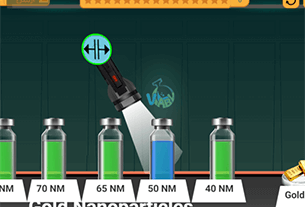
The color of gold changes according to the size of the gold nanoparticles:Tools Samples of nano......
Chemistry
The color of gold changes according to the size of the gold nanoparticles:Tools Samples of nanoparticles of gold (visible sample)A sample of gold minutes is small, its minutes are measured in macrosteps Bring the gold sample measured by the macro and display the flashlight on it and note what h......
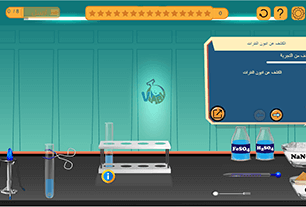
Keywords: Nitrate anion – Dark brown reaction – Chemical analysis
Chemistry
Keywords: Nitrate anion – Dark brown reaction – Chemical analysis
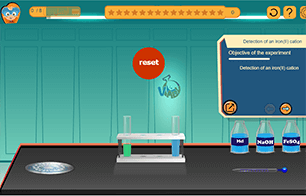
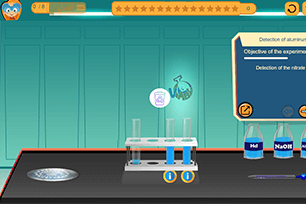
aluminum is present, a white precipitate forms, which dissolves in excess base. This method relies o......
Chemistry
aluminum is present, a white precipitate forms, which dissolves in excess base. This method relies on the formation of aluminum hydroxide, which distinguishes Al³⁺ ions from other cations.Aluminium – Gelatinous precipitate – Chemical analysis
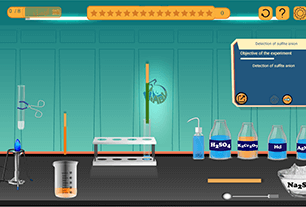
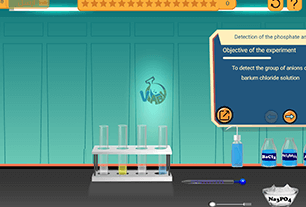
Detection of the phosphate anionKeywords (English): phosphate ion – yellow precipitate – chemical an......
Chemistry
Detection of the phosphate anionKeywords (English): phosphate ion – yellow precipitate – chemical analysis – reagents
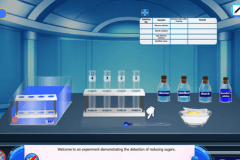
Detection of monosaccharides and disaccharides
Science
Detection of monosaccharides and disaccharides
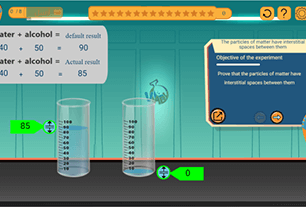
The particles of matter have interstitial spaces between themKeywords (English): matter particles –......
Science
The particles of matter have interstitial spaces between themKeywords (English): matter particles – intermolecular spaces – physical states – particle motion
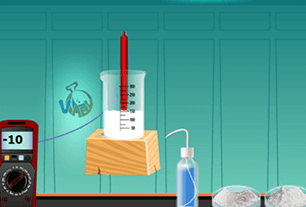
Endothermic reactionsKeywords (English): endothermic reactions – energy absorption – thermal change
Chemistry
Endothermic reactionsKeywords (English): endothermic reactions – energy absorption – thermal change
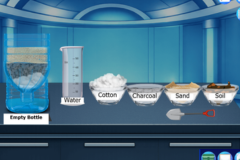
Water filter designKeywords (English): water filter model – purification – filtration – gravel – cha......
Science
Water filter designKeywords (English): water filter model – purification – filtration – gravel – charcoal
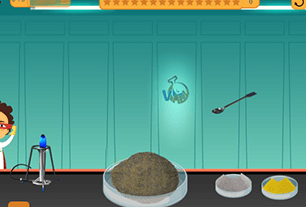
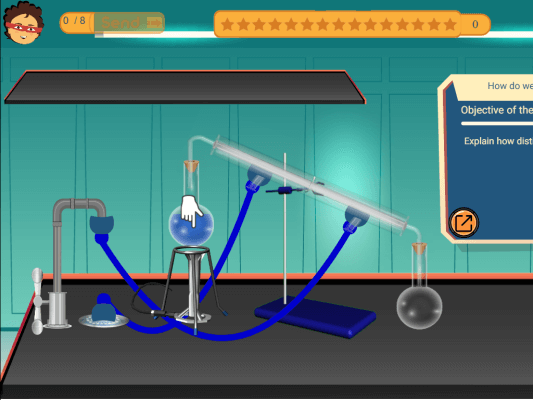
the goal:Explain how distilled water is obtained.Materials and tools:2 flasks - condenser - connecti......
Science
the goal:Explain how distilled water is obtained.Materials and tools:2 flasks - condenser - connecting tubes - salt water solution - flame - stoppersSteps:Place the condenser horizontally on the standPlace the flasks, one over a Bunsen flame and the other on a lab benchPour the salty water into the......
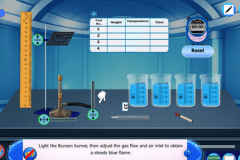
Keywords: Bunsen burner – Flame – Heating – Safety – Laboratory
Chemistry and physics
Keywords: Bunsen burner – Flame – Heating – Safety – Laboratory
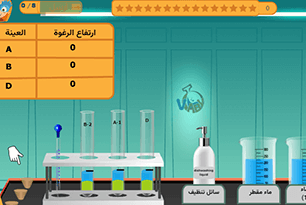
the goal:To explain how to make soap at home.Materials and tools:Water sample 1 - Water sample 2 - D......
Chemistry
the goal:To explain how to make soap at home.Materials and tools:Water sample 1 - Water sample 2 - Distilled water - Dropper - 3 test tubes with stoppers - Coloring pencil - Dishwashing liquid - Test tube rack.Steps:1- Take a quantity of distilled water and place it in test tube D, repeat the step w......

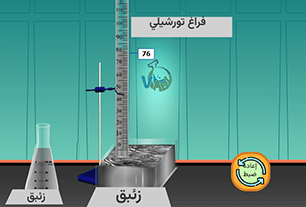
the goal:Determine the value of atmospheric pressure using a mercury barometer.Materials and tools:t......
Physics
the goal:Determine the value of atmospheric pressure using a mercury barometer.Materials and tools:tube 90 cm - basin - mercury - glass plate - holderSteps:1) Fill the test tube and the glass bowl with mercury.2) Drop the test tube in the pelvis and note what happens. Note:The drop in the level......
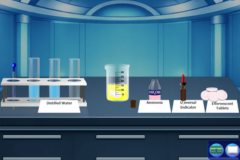
the goal:Explanation of how we can infer a chemical change has occurred.Materials and tools:Ammonia......
Chemistry
the goal:Explanation of how we can infer a chemical change has occurred.Materials and tools:Ammonia solution - Distilled water - Glass beaker - Universal indicator - Effervescent tablets.Steps:1- Put a quantity of distilled water in the glass.2- Add drops of ammonia solution into the water in the gl......
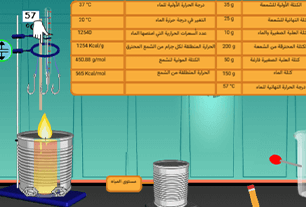
the goal:Measuring the change in temperature of a mass of water during a combustion reaction.Materia......
Chemistry
the goal:Measuring the change in temperature of a mass of water during a combustion reaction.Materials and tools:Candle - Small metal box - Large open-ended metal box - Steel wool - Balance - Pen - Stirring rod - ThermometerSteps:1. Light the candle and weigh the large container.2. Fill the containe......
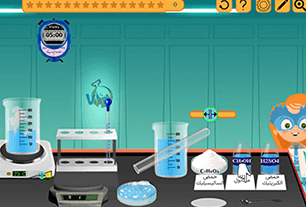
the goal:Learning how to prepare ester.Materials and tools: Electric heater - Glass cup - Test......
Chemistry
the goal:Learning how to prepare ester.Materials and tools: Electric heater - Glass cup - Test tube - Salicylic acid - Methanol - Sulfuric acid - Cotton - SpoonSteps:1. Fill the glass with water and heat it on the electric heater to the mid-level temperature.2. Weigh 1.5 grams of salicylic acid......
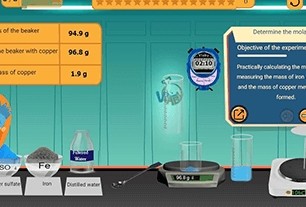
Determine the molar ratiomole ratio – moles – stoichiometry – chemical reaction
Chemistry
Determine the molar ratiomole ratio – moles – stoichiometry – chemical reaction
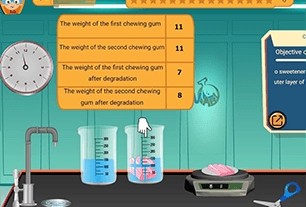
Chewing gum analysisKeywords (English): chewing gum – composition – analysis – sugars
Chemistry
Chewing gum analysisKeywords (English): chewing gum – composition – analysis – sugars
Formation of SaltKeywords (English): salt formation – ionic reaction – crystallization
Earth’s Water
Formation of SaltKeywords (English): salt formation – ionic reaction – crystallization
Keywords: Compounds – Elements – Bonds – Chemical reaction – Formulas
Science
Keywords: Compounds – Elements – Bonds – Chemical reaction – Formulas
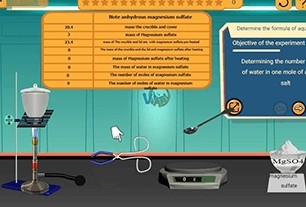
Keywords: Hydrated salts – Water molecules – Heating – Chemical formula
Chemistry
Keywords: Hydrated salts – Water molecules – Heating – Chemical formula
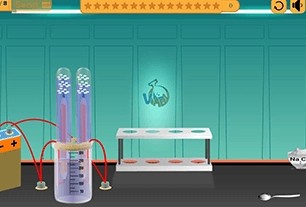
Investigation of the process of electrolysis of waterelectrolysis of water – oxygen – hydrogen – ele......
Science
Investigation of the process of electrolysis of waterelectrolysis of water – oxygen – hydrogen – electric current
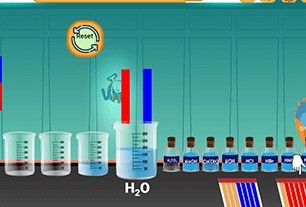
Keywords: Pure water – Neutral – pH 7 – Indicators – Acids and bases
Integrated Sciences
Keywords: Pure water – Neutral – pH 7 – Indicators – Acids and bases
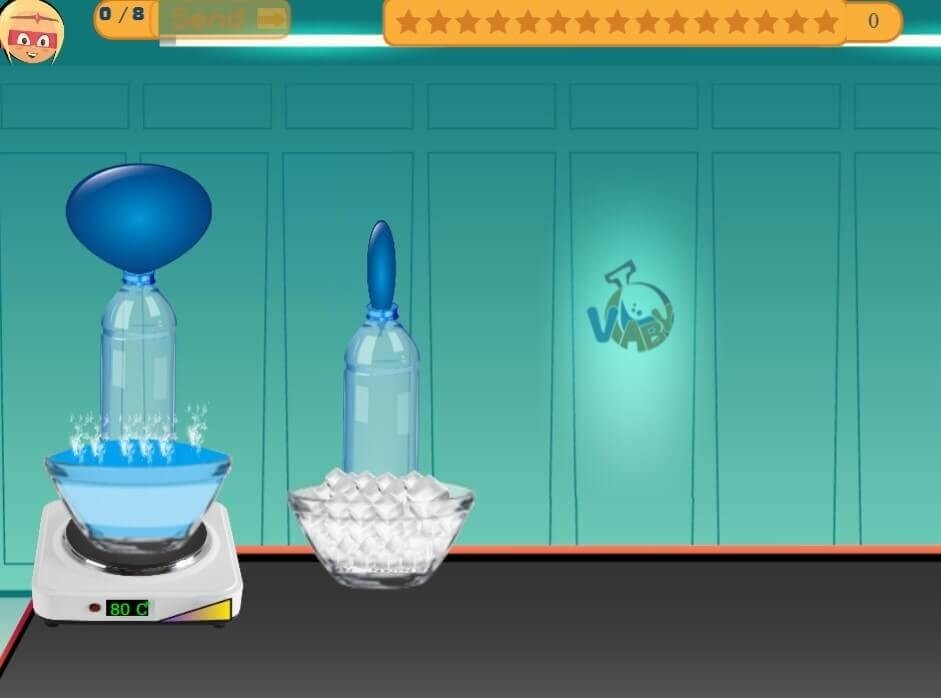
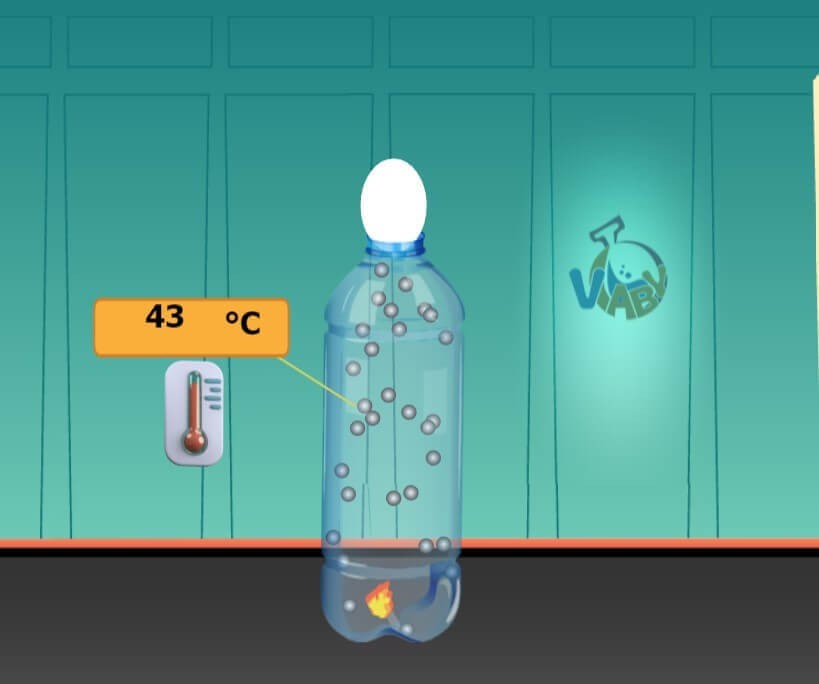
Keywords: Thermal contraction – Cooling – Materials – Practical applications
Science
Keywords: Thermal contraction – Cooling – Materials – Practical applications

Keywords: Displacement reaction – Iron – Copper sulfate – Copper precipitation – Chemical change
Chemistry
Keywords: Displacement reaction – Iron – Copper sulfate – Copper precipitation – Chemical change
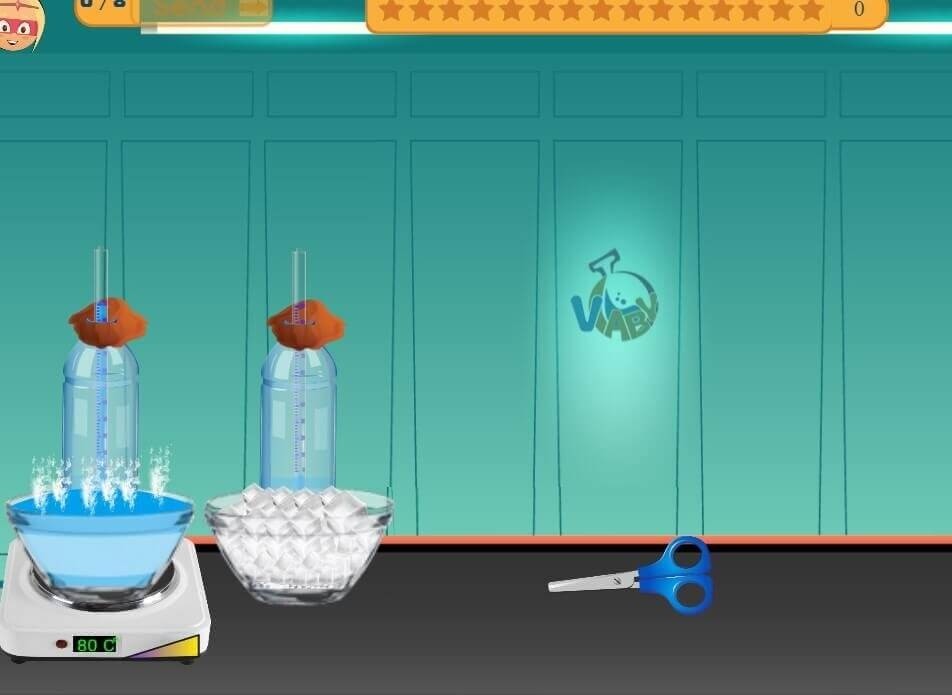
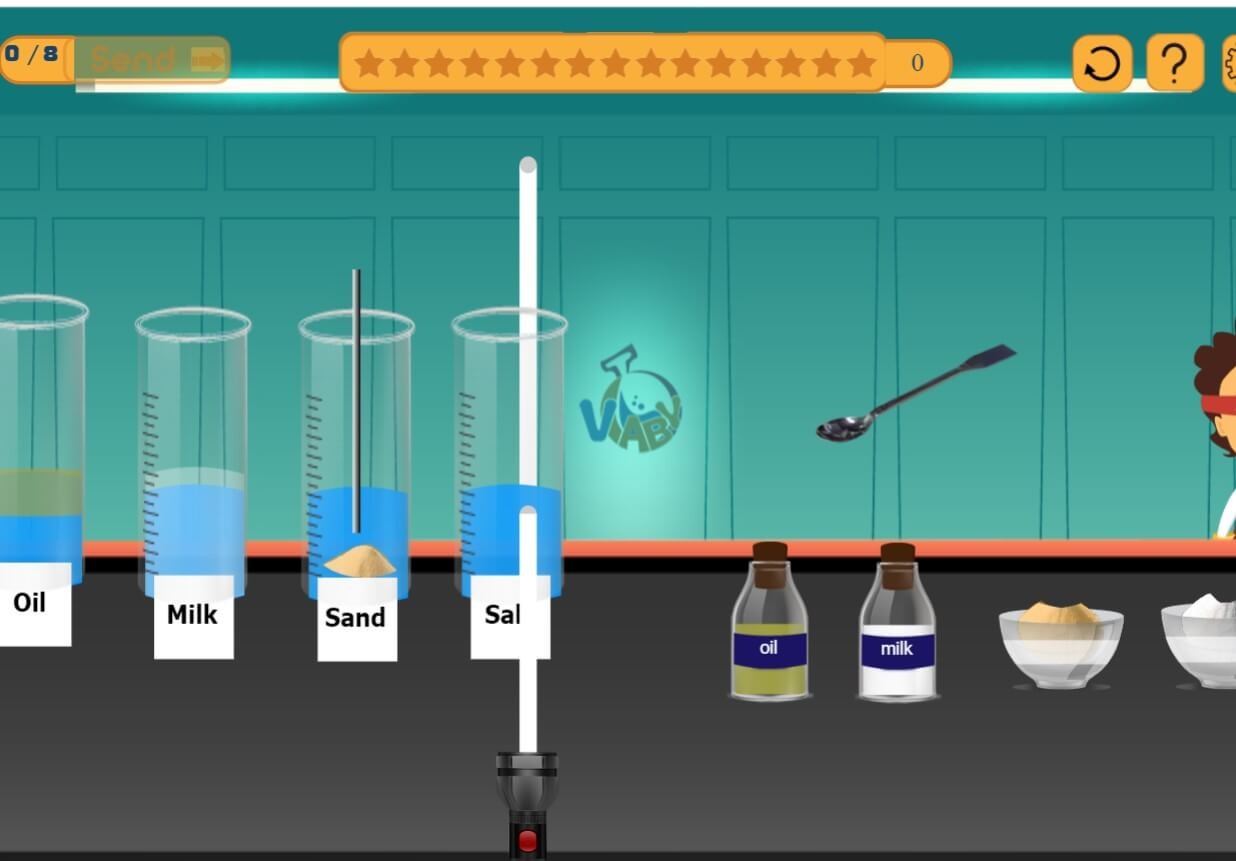
Keywords: Homogeneous mixtures – Heterogeneous mixtures – Solutions – Suspensions – Colloids
Science
Keywords: Homogeneous mixtures – Heterogeneous mixtures – Solutions – Suspensions – Colloids
Investigation of factors affecting solubilitysolubility – temperature effect – stirring – surface a......
Chemistry
Investigation of factors affecting solubilitysolubility – temperature effect – stirring – surface area – type of solute – dissolving rate
the goal:Draw a conclusion about the Law of Conservation of Mass.Materials and tools:Wire crucible -......
Science
the goal:Draw a conclusion about the Law of Conservation of Mass.Materials and tools:Wire crucible - Test tube - Balloon - Sensitive scale - Heater - Hot water bath - Test tube holder - Stopwatch - TissuesSteps:1. Place a piece of wire crucible in a medium-sized test tube.2. Attach the balloon nozzl......
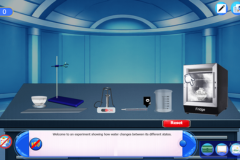
Three states of matterThis experiment shows how water changes between its three states due to temper......
Science
Three states of matterThis experiment shows how water changes between its three states due to temperature. Ice melts when heated to become liquid water, then turns into vapor with continued heating. When the vapor touches a cold surface, it condenses back into water droplets.states of matter – solid......
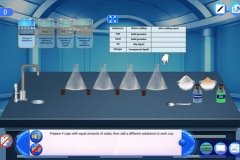
Keywords: Mixing substances – Separating a mixture of liquids (water and oil) – Separating a mixture......
Science
Keywords: Mixing substances – Separating a mixture of liquids (water and oil) – Separating a mixture of solid and liquid – Separating a mixture of solids
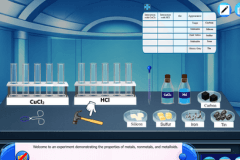
Metals and non-metalsmetals – nonmetals – conductivity – luster – hardness – matter
Science
Metals and non-metalsmetals – nonmetals – conductivity – luster – hardness – matter
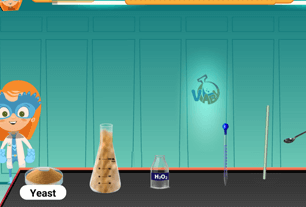
How can the reaction rate be increased?reaction rate – catalysts – temperature – concentration – sur......
Chemistry
How can the reaction rate be increased?reaction rate – catalysts – temperature – concentration – surface area
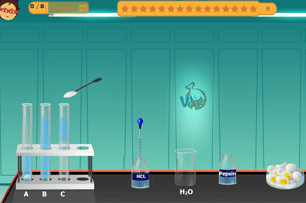
Keywords: Pepsin enzyme – Protein digestion – Stomach – Gastric juice – Digestive enzymes
biology
Keywords: Pepsin enzyme – Protein digestion – Stomach – Gastric juice – Digestive enzymes
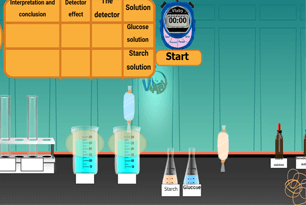
Keywords: Semi-permeable membrane – Diffusion – Osmosis – Molecules – Membrane transport
biology
Keywords: Semi-permeable membrane – Diffusion – Osmosis – Molecules – Membrane transport
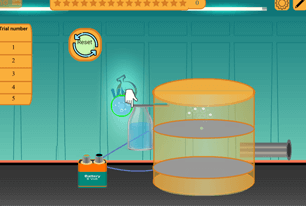
Keywords: Millikan experiment – Oil drop – Electron charge – Electric field – Atomic physics
Physics
Keywords: Millikan experiment – Oil drop – Electron charge – Electric field – Atomic physics
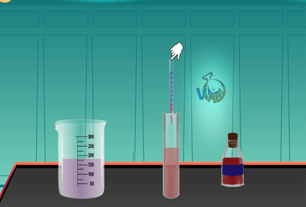
Keywords: Equilibrium – Equal forces – Rest – Uniform motion
Chemistry
Keywords: Equilibrium – Equal forces – Rest – Uniform motion
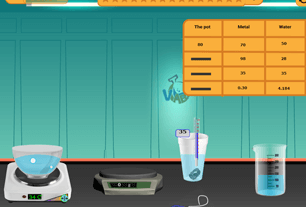
Keywords: Specific heat – Thermal energy – Mass – Temperature
Chemistry
Keywords: Specific heat – Thermal energy – Mass – Temperature
Keywords: Cold materials – Heat transfer – Absorption – Temperature
Chemistry
Keywords: Cold materials – Heat transfer – Absorption – Temperature
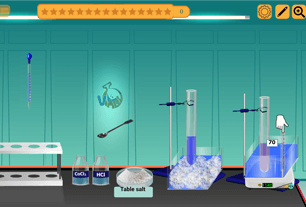
This experiment demonstrates the effect of concentration and temperature on the equilibrium between......
Chemistry
This experiment demonstrates the effect of concentration and temperature on the equilibrium between the pink and blue cobalt chloride complexes.Keywords: Equilibrium – Forces – Motion – Position – Physics

Keywords: Conservation of mass – Chemical reaction – Change – Reactants – Products
Chemistry
Keywords: Conservation of mass – Chemical reaction – Change – Reactants – Products
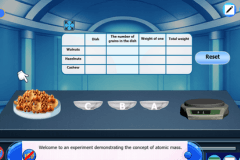

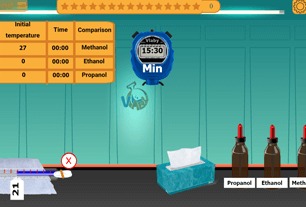
Keywords: Alcohols – Functional groups – Combustion – Solubility – Bonds
Chemistry
Keywords: Alcohols – Functional groups – Combustion – Solubility – Bonds
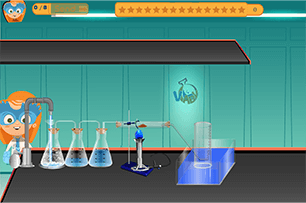
Keywords: Nitrogen gas – Preparation – Reaction – Products – Laboratory
Chemistry
Keywords: Nitrogen gas – Preparation – Reaction – Products – Laboratory
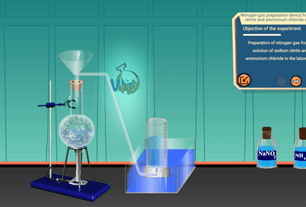
Keywords: Nitrogen – Salts – Chemical reaction – Analysis
Chemistry
Keywords: Nitrogen – Salts – Chemical reaction – Analysis
Keywords: Nitrogen gas – Preparation – Reaction – Products – Laboratory
Chemistry
Keywords: Nitrogen gas – Preparation – Reaction – Products – Laboratory
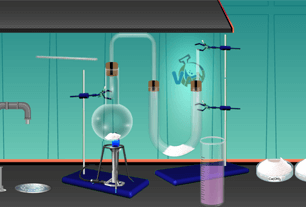
Keywords: Ammonia gas – Ammonia – Preparation apparatus – Odors – Bases
Chemistry
Keywords: Ammonia gas – Ammonia – Preparation apparatus – Odors – Bases

Keywords: Mass spectrometer – Ions – Mass – Charge – Separation
Physics
Keywords: Mass spectrometer – Ions – Mass – Charge – Separation
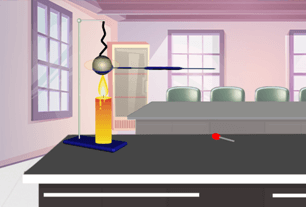
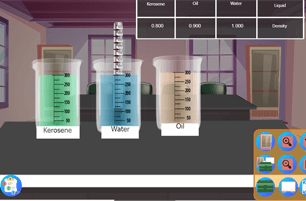
Keywords: Hydrometer – Liquid density – Buoyancy – Measurement
Integrated Sciences
Keywords: Hydrometer – Liquid density – Buoyancy – Measurement
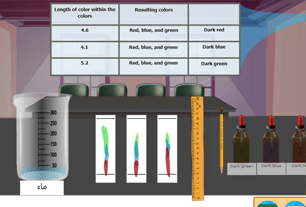
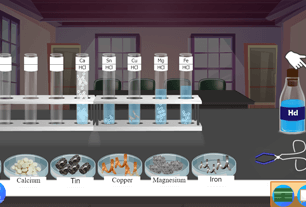
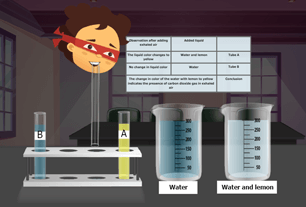
Keywords: Exhalation – Carbon dioxide – Limewater – Respiration
biology
Keywords: Exhalation – Carbon dioxide – Limewater – Respiration
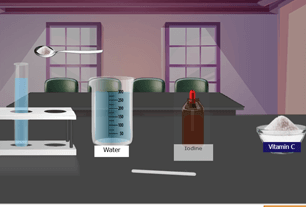
Keywords: Mixtures – Separation – Filtration – Liquid – Solid
Science
Keywords: Mixtures – Separation – Filtration – Liquid – Solid

Keywords: Red cabbage – Color indicator – pH – Acids – Bases
Science
Keywords: Red cabbage – Color indicator – pH – Acids – Bases
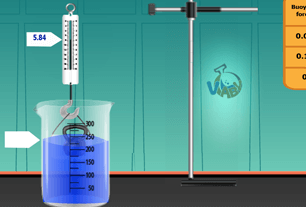
Keywords: Archimedes’ principle – Buoyancy – Upthrust – Fluids – Volume
Science
Keywords: Archimedes’ principle – Buoyancy – Upthrust – Fluids – Volume
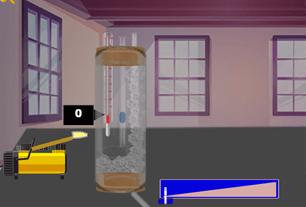
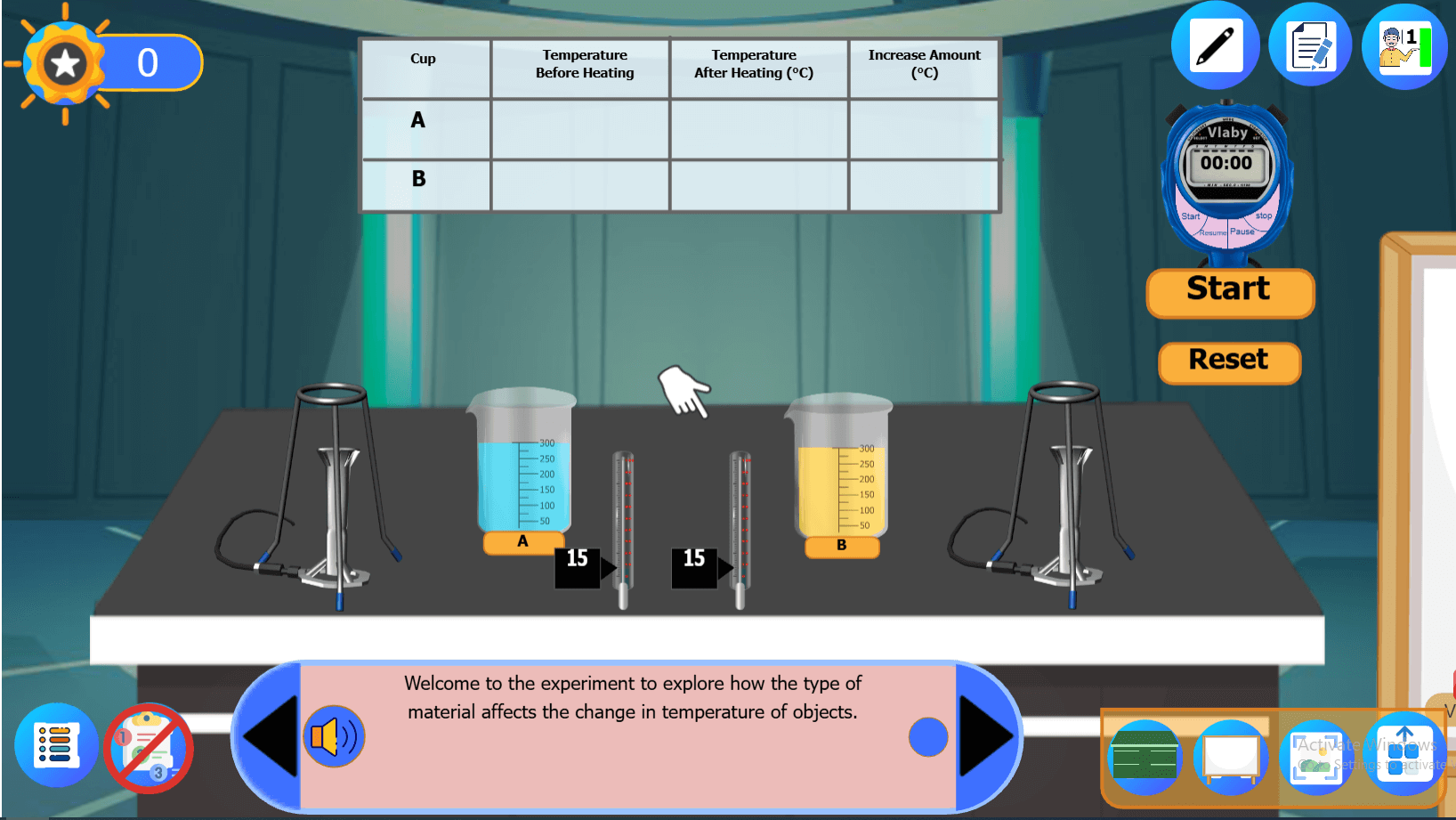
Keywords: Type of substance – Heat – Heat capacity – Heating
Science
Keywords: Type of substance – Heat – Heat capacity – Heating
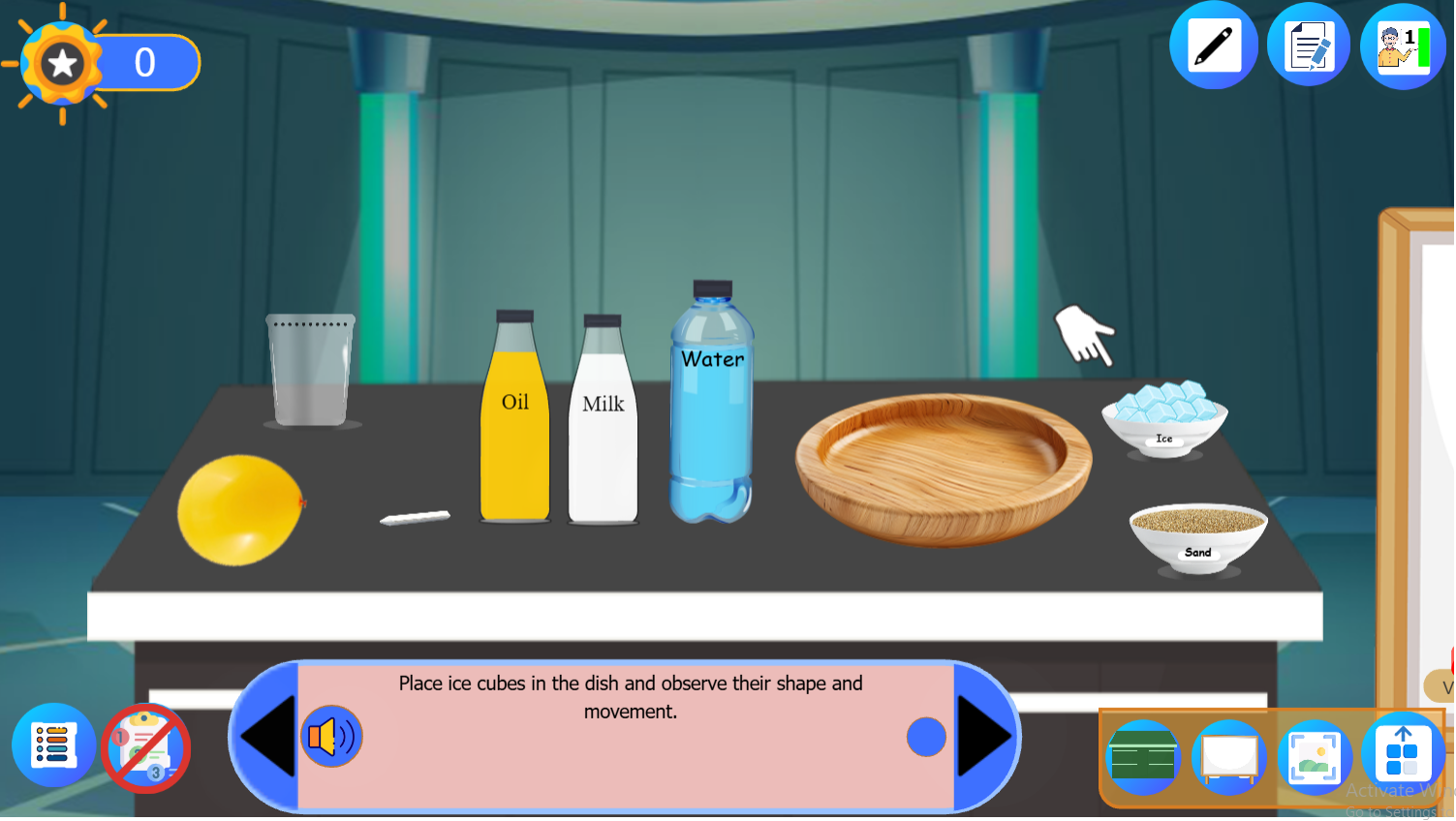
Keywords: States of matter – Shape – Flow – Solid – Liquid – Gas
Science
Keywords: States of matter – Shape – Flow – Solid – Liquid – Gas
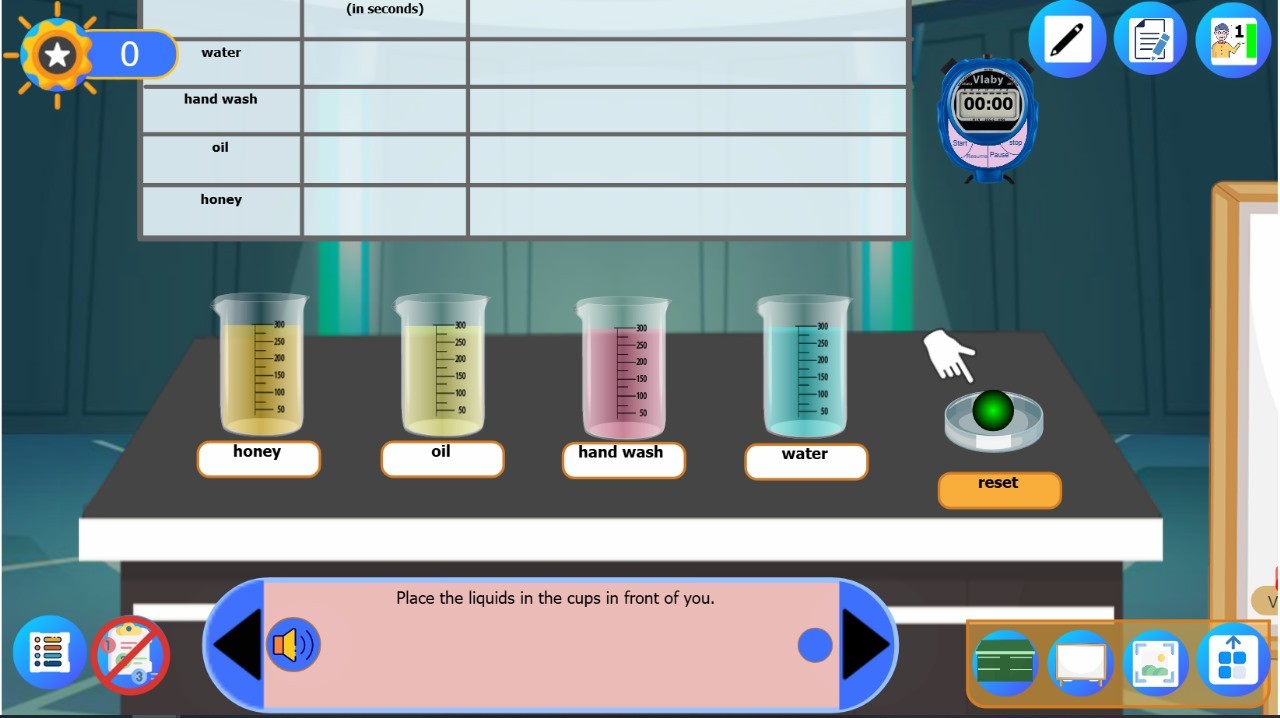
Keywords: Viscosity – Liquids – Motion – Falling – Resistance
Science
Keywords: Viscosity – Liquids – Motion – Falling – Resistance
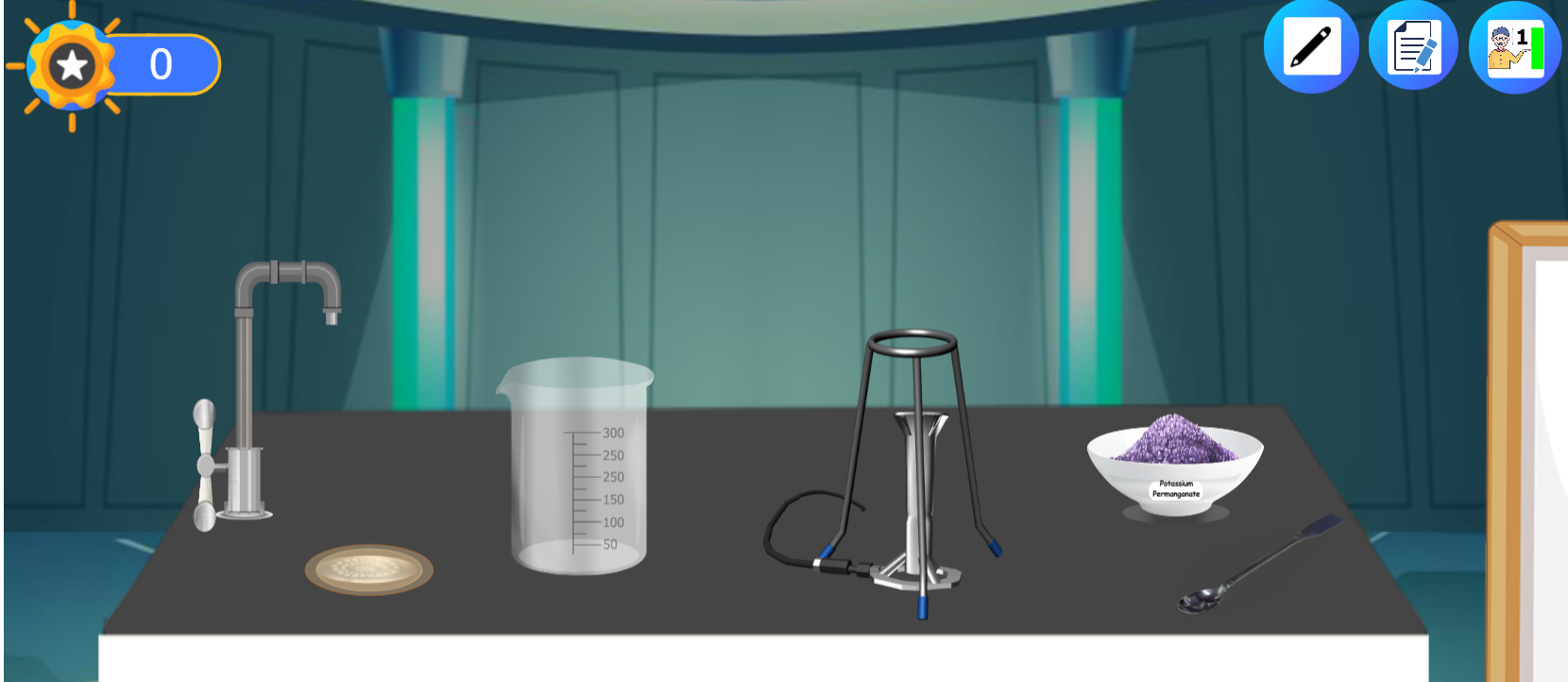
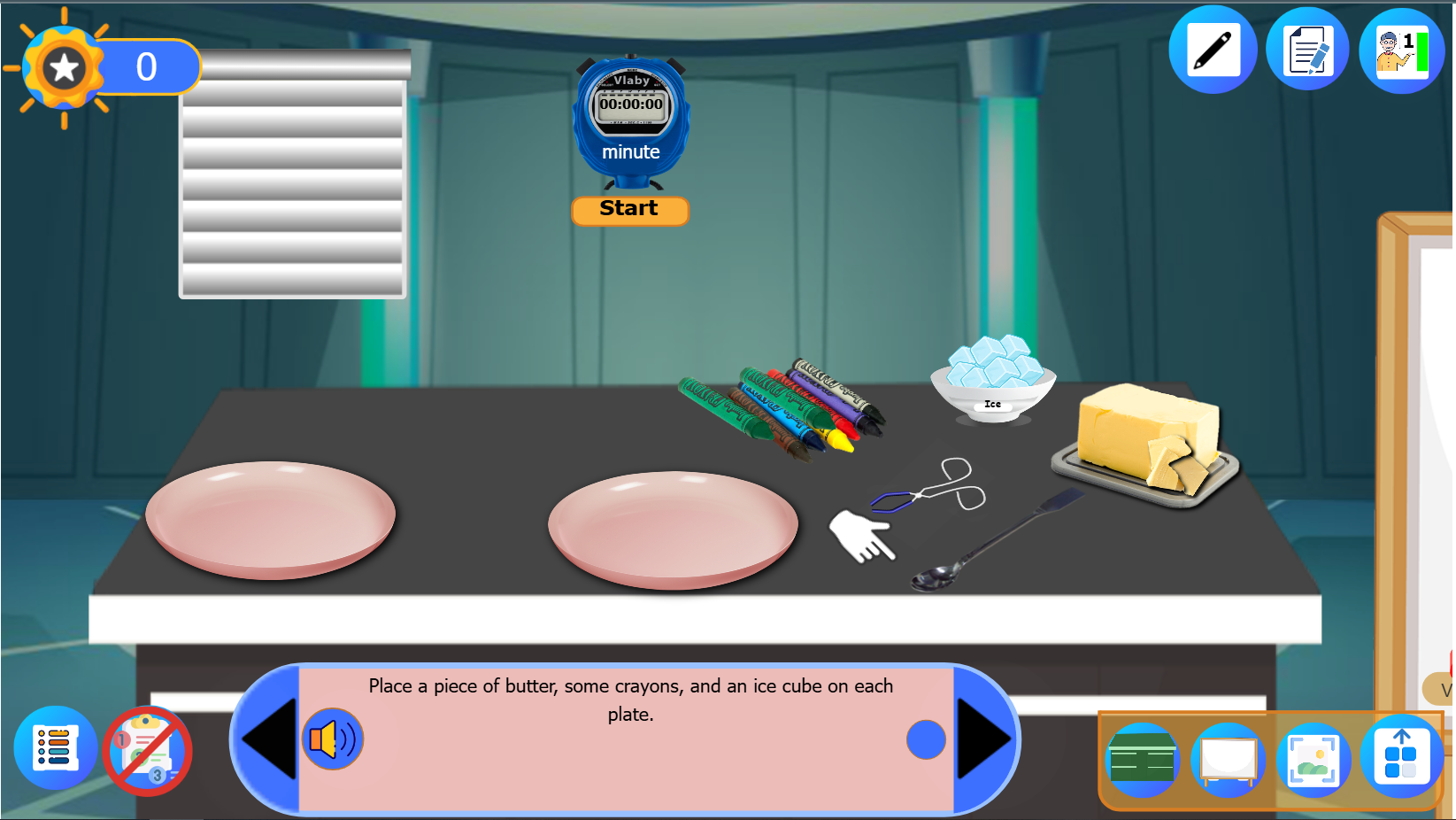
Keywords: Heat – Expansion – Contraction – Physical change – Materials
Science
Keywords: Heat – Expansion – Contraction – Physical change – Materials
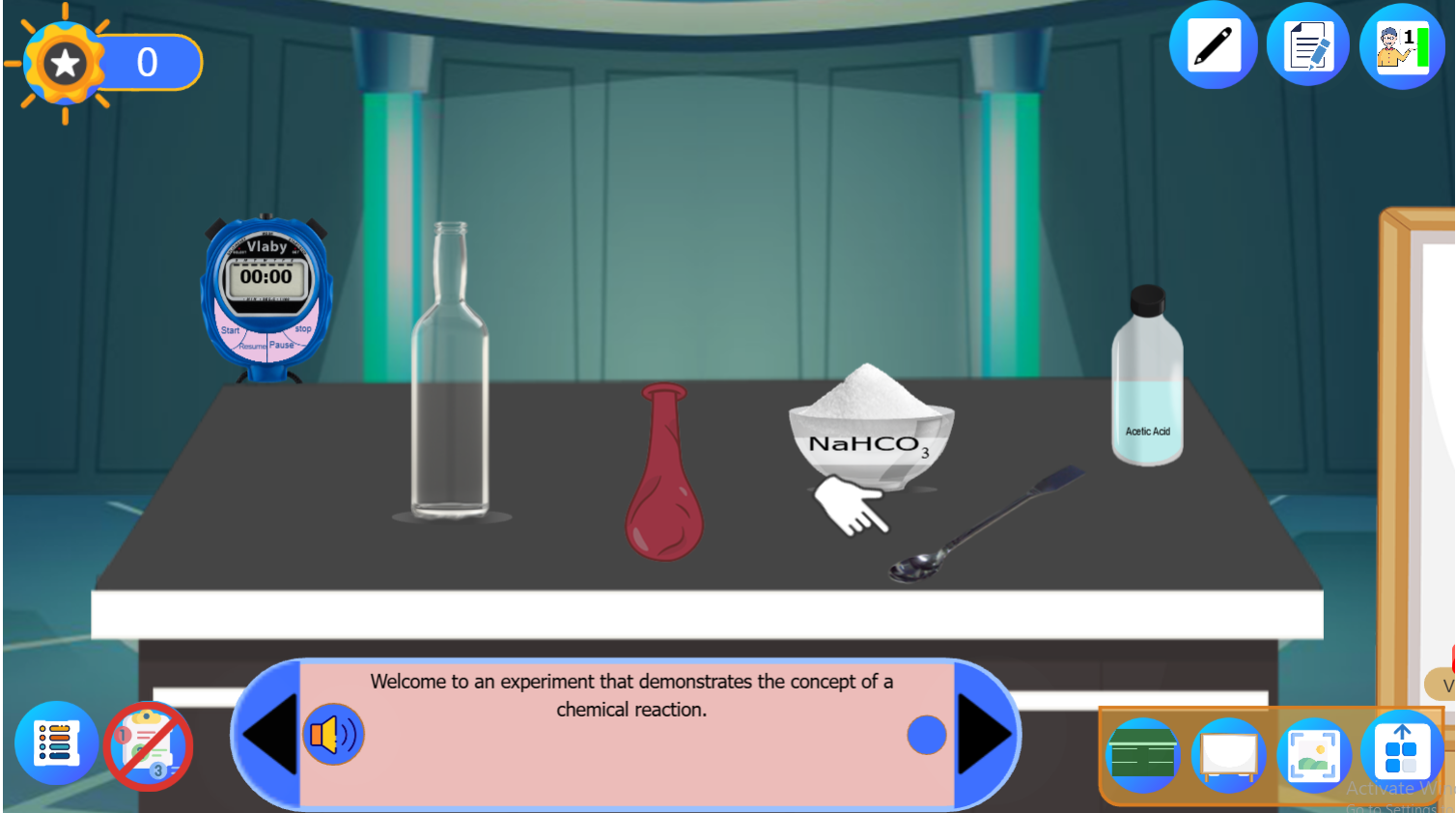
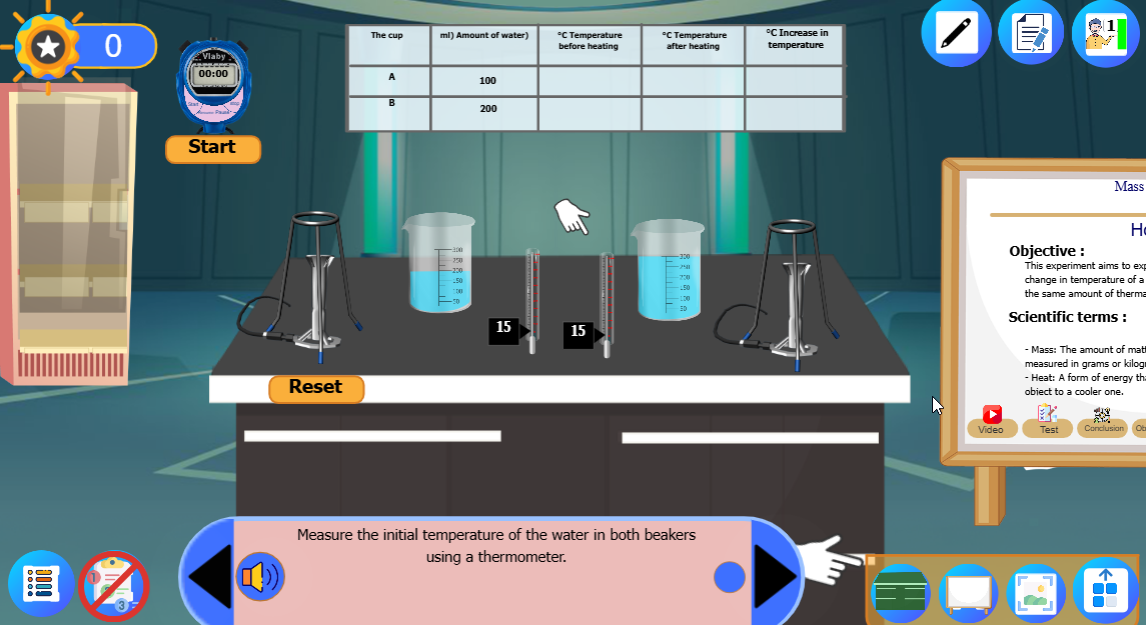
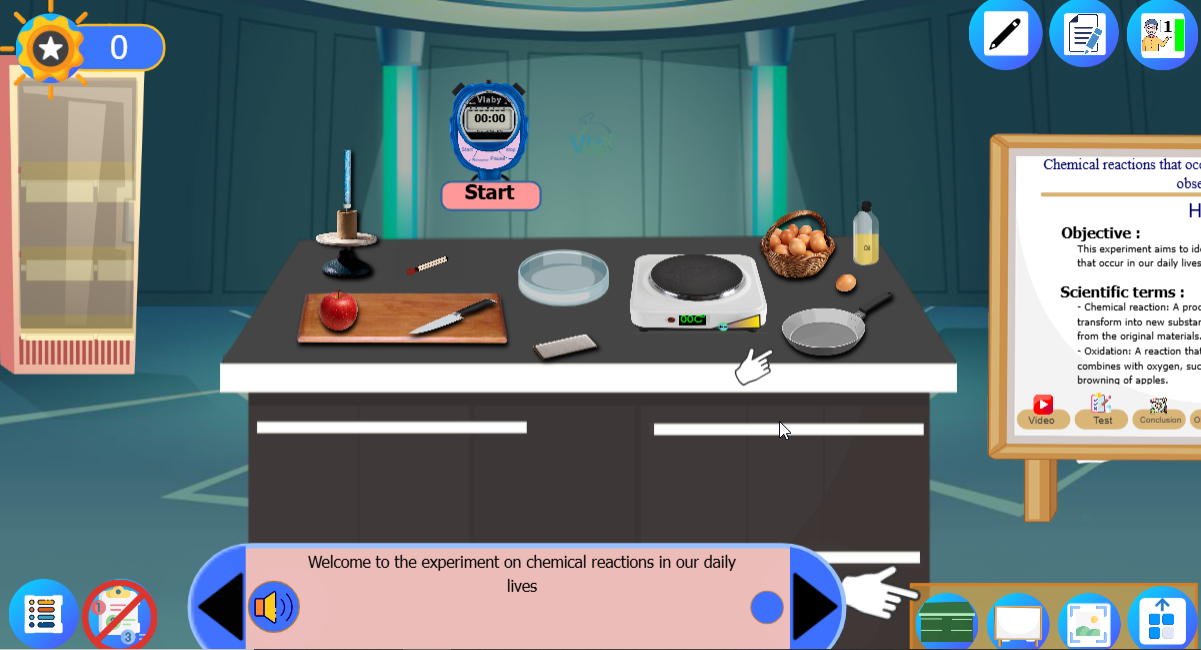
Keywords: Chemical reactions – Daily life – Change – Energy
Science
Keywords: Chemical reactions – Daily life – Change – Energy

Materials: Properties and Changes
Objective: To identify indicators of a chemical reaction by observing the temperature change when vi......
Materials: Properties and Changes
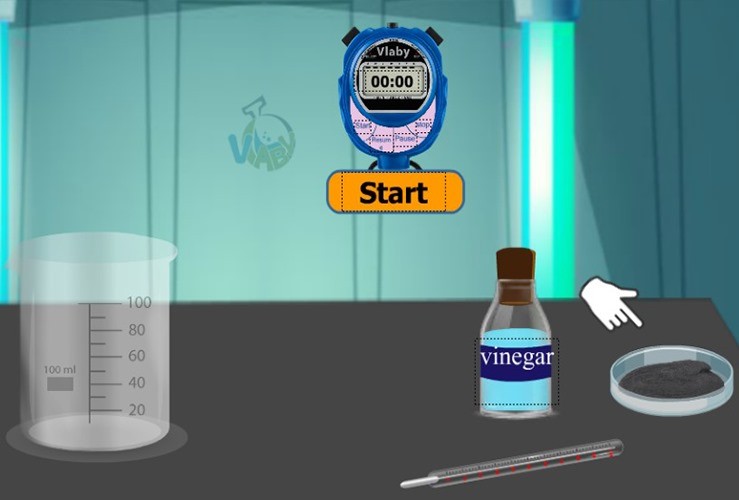
Objective: To identify indicators of a chemical reaction by observing the temperature change when vinegar reacts with steel wool.Materials: Steel wool ball – Vinegar – Glass cup – Thermometer.Steps: Place a steel wool ball in a glass cup. Pour vinegar over the steel wool and let it sit for 1–2 minut......
Keywords: Physical state change – Melting – Freezing – Evaporation – Condensation
Science
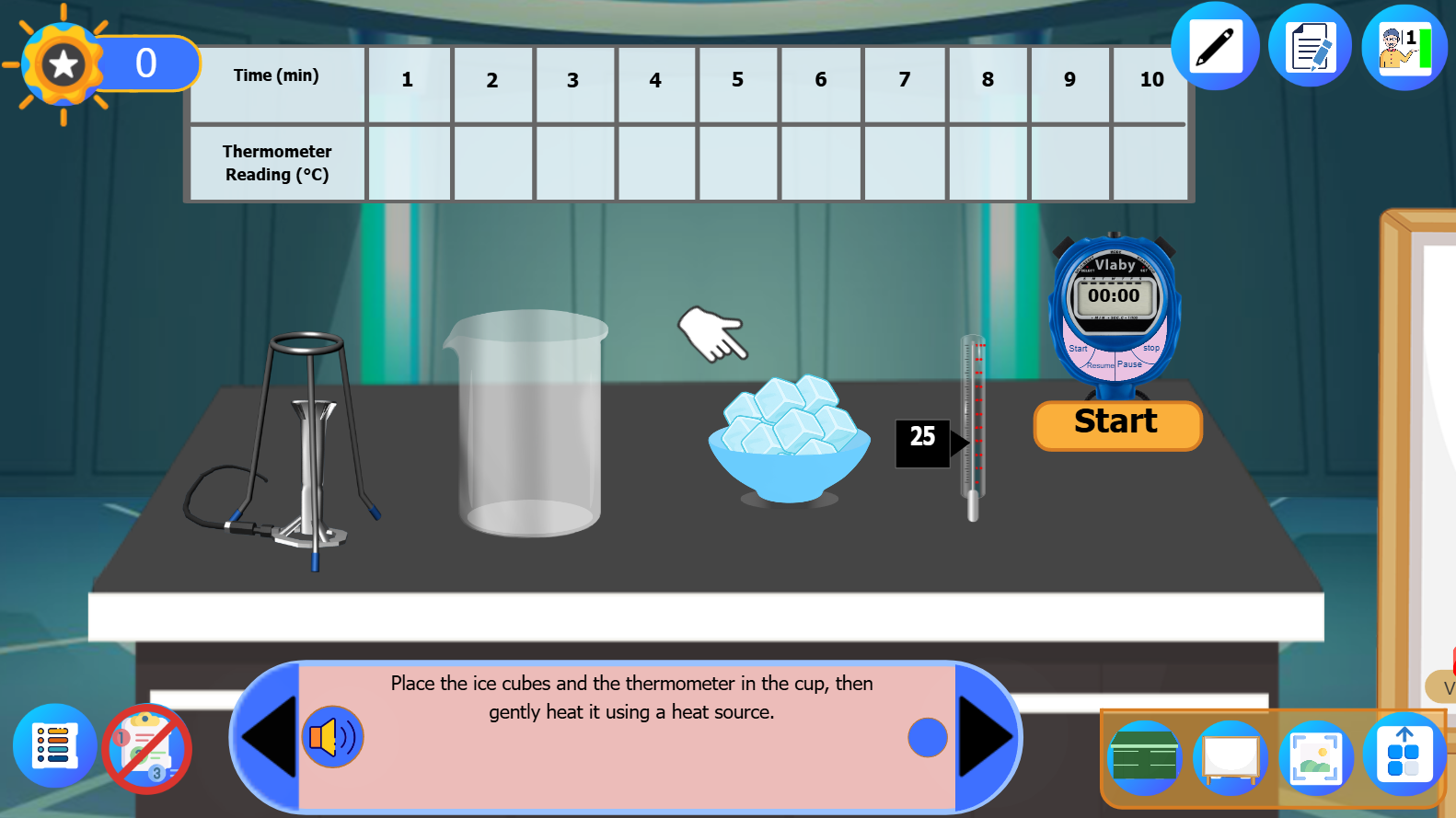
Keywords: Physical state change – Melting – Freezing – Evaporation – Condensation

Keywords: Properties – Substances – Chemical reaction – Before reaction – After reaction – Changes
Science
Keywords: Properties – Substances – Chemical reaction – Before reaction – After reaction – Changes
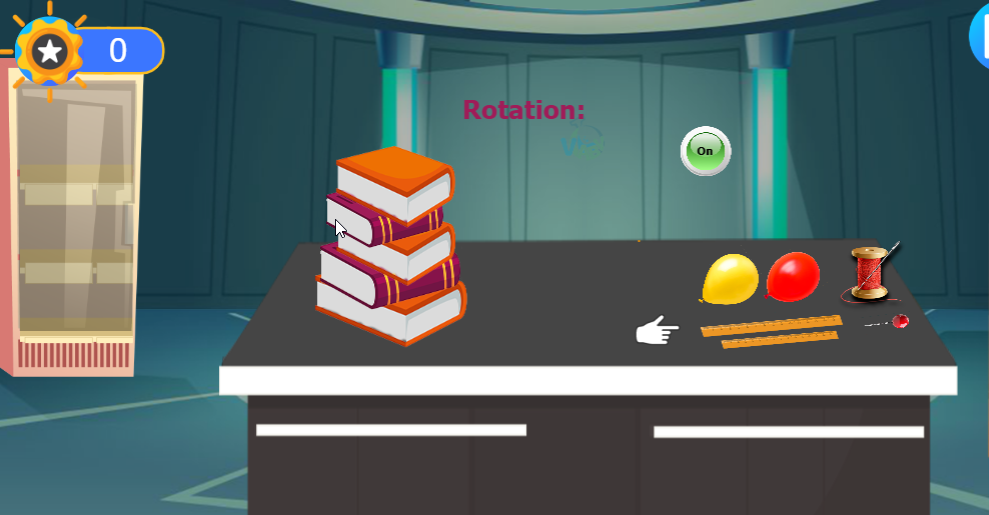
Materials: Properties and Changes
Objective: To prove that gases have volume and occupy spaceMaterials: Two equal balloons – two ruler......
Materials: Properties and Changes
Objective: To prove that gases have volume and occupy spaceMaterials: Two equal balloons – two rulers – 15 cm strings – a heavy book – adhesive tape – clips – scissorsSteps: Inflate both balloons to the same size and tie them tightly Cut three pieces of string Tie both balloons to one ruler evenly o......
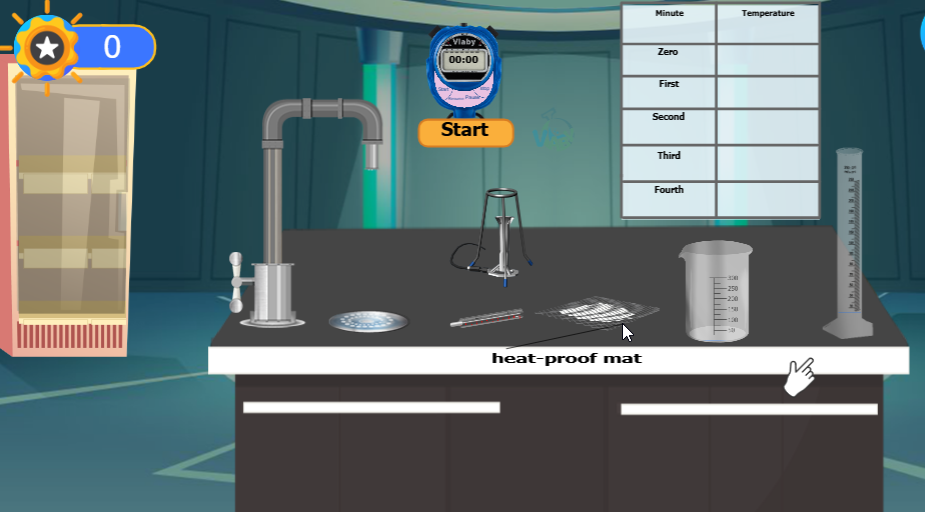
Objective: To study the effect of heating on the temperature of water and observe the changes in its......
Biology
Objective: To study the effect of heating on the temperature of water and observe the changes in its physical state (from liquid to vapor) during boiling.Materials: Beaker – Thermometer – Bunsen burner – Tripod stand – Wire gauze – Graduated cylinder – Clamp stand – Heat-resistant base.Steps:Measure......
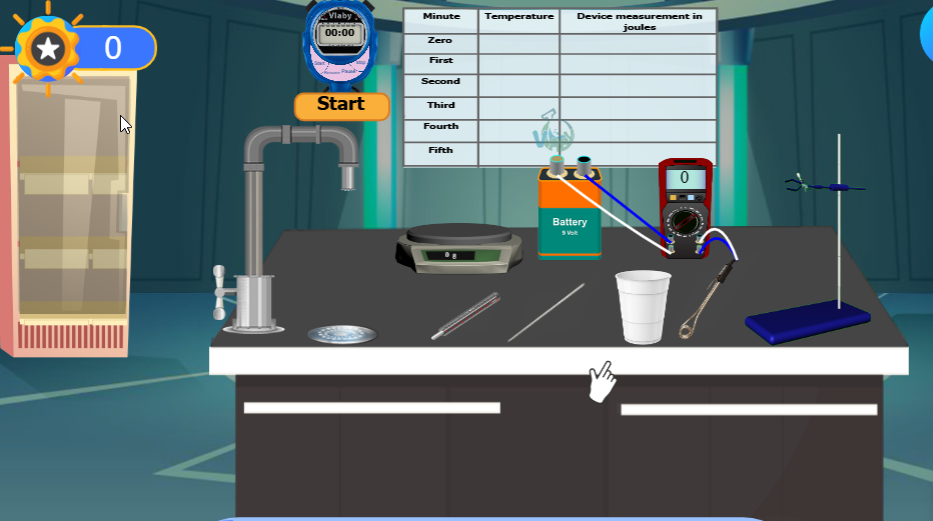
Objective: To investigate the relationship between the amount of transferred thermal energy and the......
Properties of materials
Objective: To investigate the relationship between the amount of transferred thermal energy and the temperature of waterMaterials: Polystyrene cup – immersion heater – thermometer – electronic balance – joule meter – stopwatch – metal stand – stirring rodProcedure: Measure the mass of water in the p......
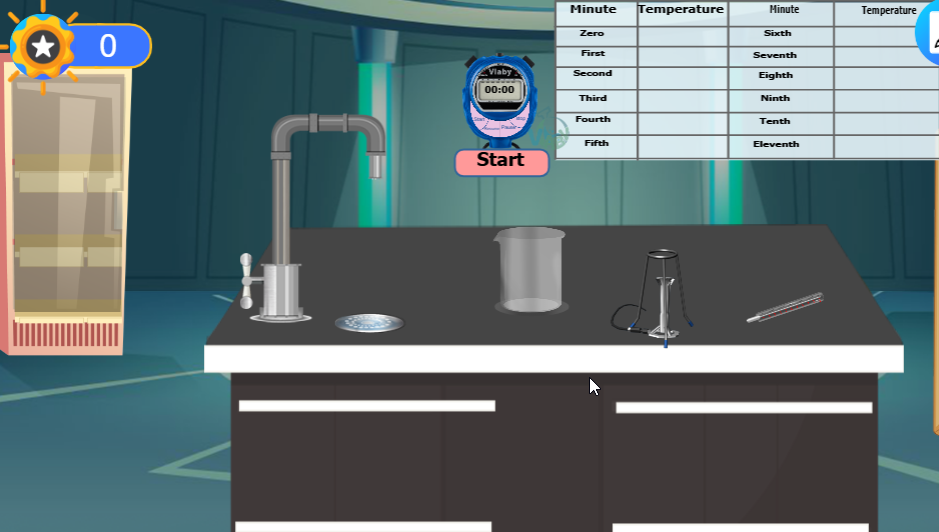
States and properties of matter
Objective: To observe and identify the boiling point of waterMaterials: Glass beaker – water – therm......
States and properties of matter
Objective: To observe and identify the boiling point of waterMaterials: Glass beaker – water – thermometer – electric heaterProcedure: Pour a quantity of water into the glass beaker Place the beaker on the electric heater Insert the thermometer into the water and wait two minutes before starting to......
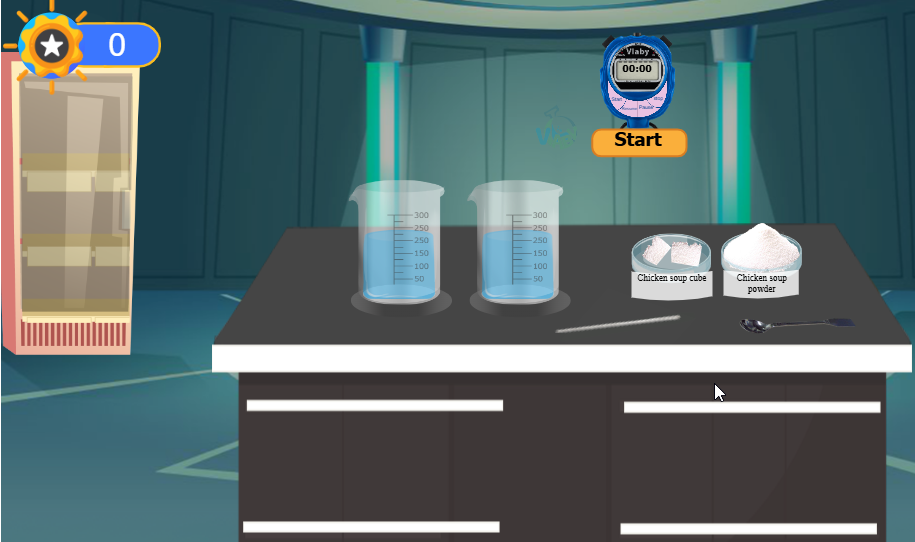
Objective: To identify the effect of particle size on the rate of dissolution in water.Materials: Tw......
Science
Objective: To identify the effect of particle size on the rate of dissolution in water.Materials: Two glass cups – chicken soup cube – powdered chicken soup – spoon – waterProcedure: Pour an equal volume of water into each glass. Place the soup cube in the first glass. Place the powdered soup in the......
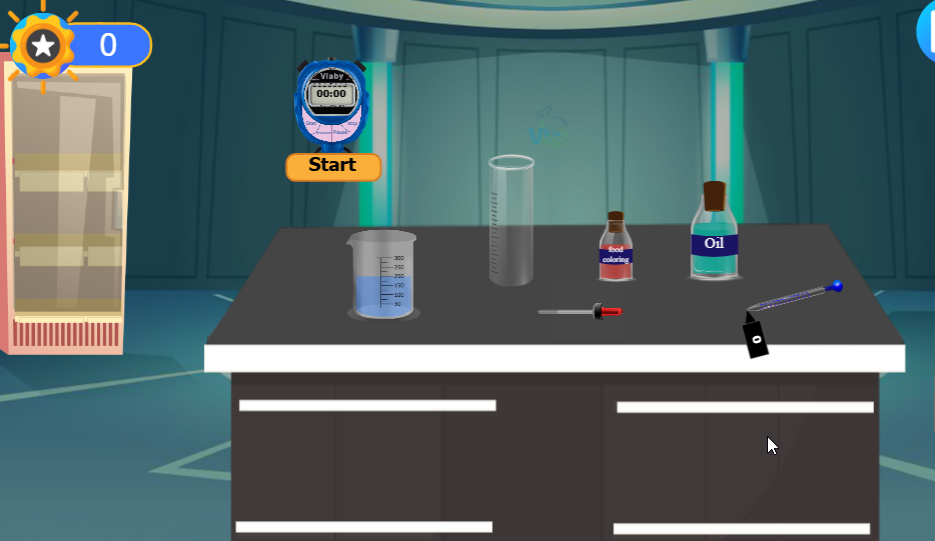
Objective: To investigate how water, oil, and food coloring interact and observe whether the substan......
Science
Objective: To investigate how water, oil, and food coloring interact and observe whether the substances mix or remain separate.Materials: Test tube – water – vegetable oil – food coloringProcedure: Pour some water into the test tube. Add some vegetable oil slowly into the test tube. Add two drops of......
Keywords: Chemical reaction – Precipitate – Reactants – Products – Chemical change – Observation
Science
Keywords: Chemical reaction – Precipitate – Reactants – Products – Chemical change – Observation
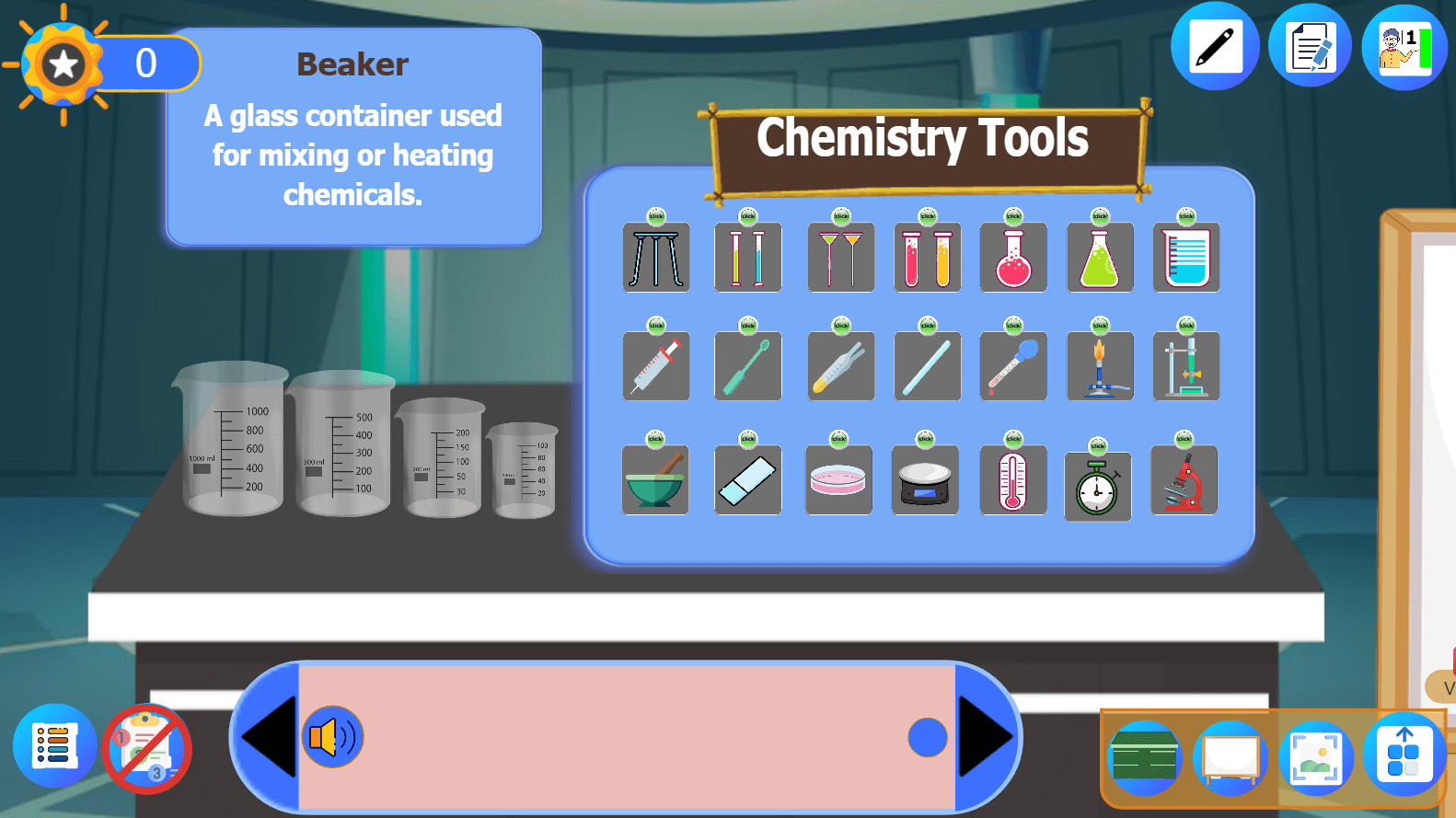
Keywords: Tools – Equipment – Laboratory – Chemical experiments – Identification – Safety
Chemistry
Keywords: Tools – Equipment – Laboratory – Chemical experiments – Identification – Safety
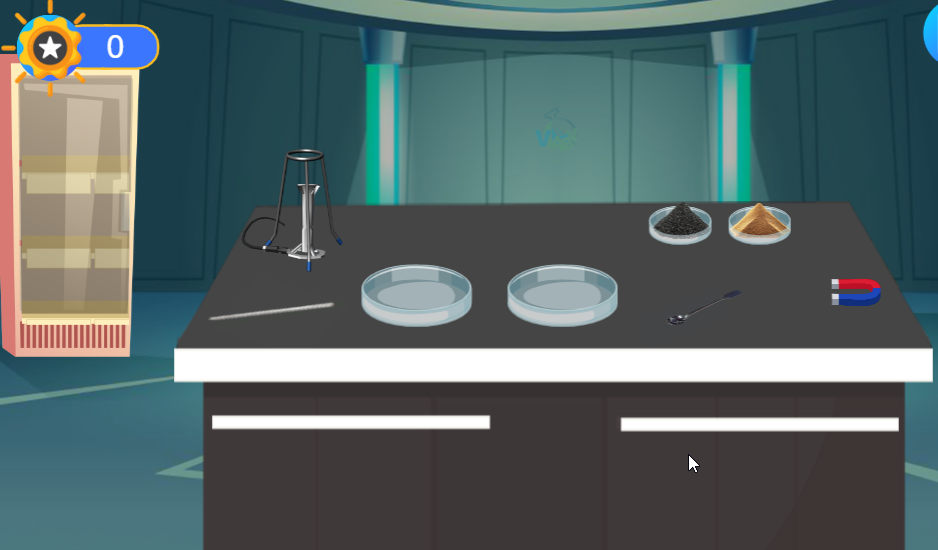
Objective: To distinguish between a mixture and a compound through the reaction of iron and sulfur.M......
Properties of materials
Objective: To distinguish between a mixture and a compound through the reaction of iron and sulfur.Materials: Two dishes – stirring tool – boiling tube – test tube holder – sulfur powder – iron filings – steel wool – magnet.Steps: Place some iron filings in a glass beaker, add yellow sulfur powder,......
Objective: To distinguish between saturated and unsaturated hydrocarbons.Materials: Test tubes – dro......
Biology
Objective: To distinguish between saturated and unsaturated hydrocarbons.Materials: Test tubes – dropper – test tube holder – cyclohexane solution – cyclohexene solution – bromine water.Steps: Place a small amount of cyclohexane in test tube (1). Place an equal amount of cyclohexene in test tube (2)......
Objective: To identify the effect of temperature on chemical changes and observe milk spoilage when......
Science
Objective: To identify the effect of temperature on chemical changes and observe milk spoilage when left at room temperature.Materials: Small glass cup, equal amounts of milk.Steps: Pour equal amounts of milk into two small cups. Place the first cup in the refrigerator. Leave the second cup on a kit......
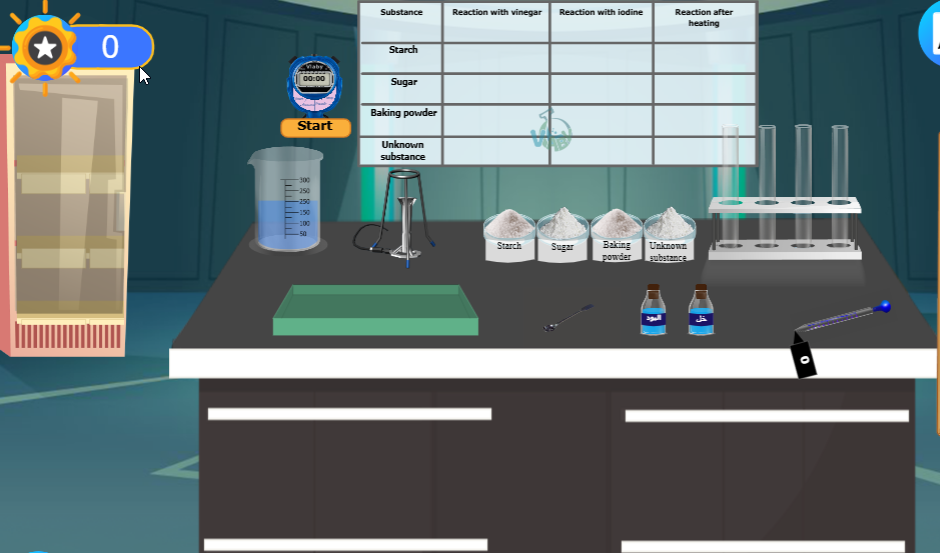
Objective: To identify the compounds that make up an unknown substance by comparing its reactions wi......
Science
Objective: To identify the compounds that make up an unknown substance by comparing its reactions with known substances such as starch, sugar, and baking powder.Materials: Test tubes, sugar, starch, baking powder, unknown substance, water, iodine solution, sodium bicarbonate solution, dropper.Steps:......
Objective: To identify materials that dissolve in water and materials that do not.Materials: Three t......
Chemical reactions
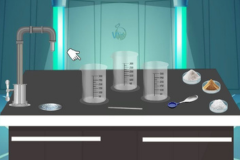
Objective: To identify materials that dissolve in water and materials that do not.Materials: Three transparent cups _ Water _ Salt _ Sugar _ Sand _ Stirring spoonSteps: Put some water in each cup. Add a small amount of salt, sugar, and sand to the three cups of water. Stir each cup using the spoon a......
Objective: To understand the different properties of organic compounds (such as sugar, perfume, and......
Science
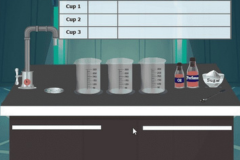
Objective: To understand the different properties of organic compounds (such as sugar, perfume, and oil) despite containing the same elements: carbon, hydrogen, and oxygen.Materials: Sugar _ Perfume _ Vegetable oil _ Glass cups _ Hot water _ SpoonSteps: Place a spoonful of each substance (sugar, per......
Objective: To test for the presence of the carbonate ion.Materials: Sodium carbonate salt. Dilute hy......
Chemistry
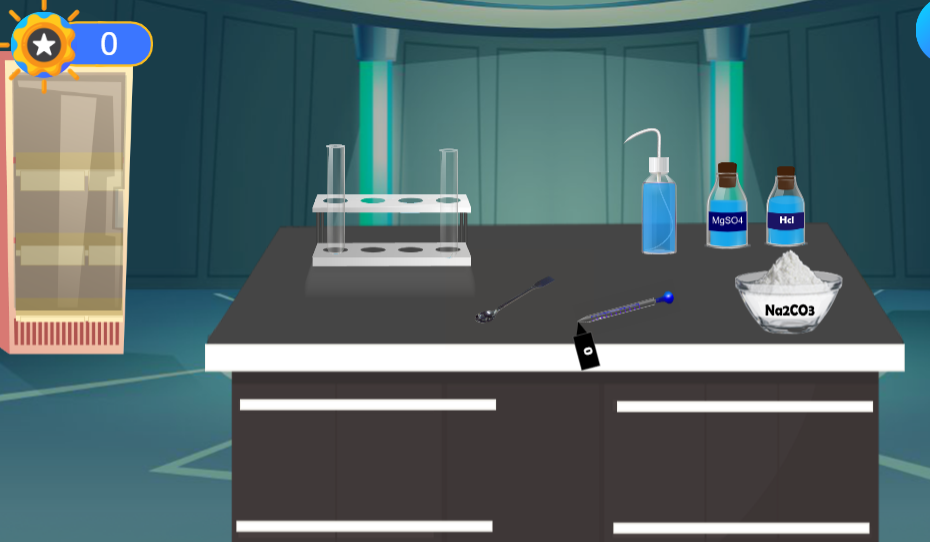
Objective: To test for the presence of the carbonate ion.Materials: Sodium carbonate salt. Dilute hydrochloric acid. Distilled water. Magnesium sulfate solution. Test tubes.Procedure: Place a small amount of solid sodium carbonate in a test tube. Add a few drops of dilute hydrochloric acid to the tu......
Objective: To identify the difference between exothermic and endothermic reactions. Materials: Glass......
Chemistry
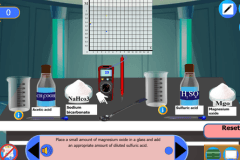
Objective: To identify the difference between exothermic and endothermic reactions. Materials: Glass beaker, teaspoon, thermometer, water, magnesium oxide (MgO), sulfuric acid (H₂SO₄), baking soda (NaHCO₃), vinegar (CH₃COOH).Procedure:Place a small amount of magnesium oxide in a glass beaker.Add an......
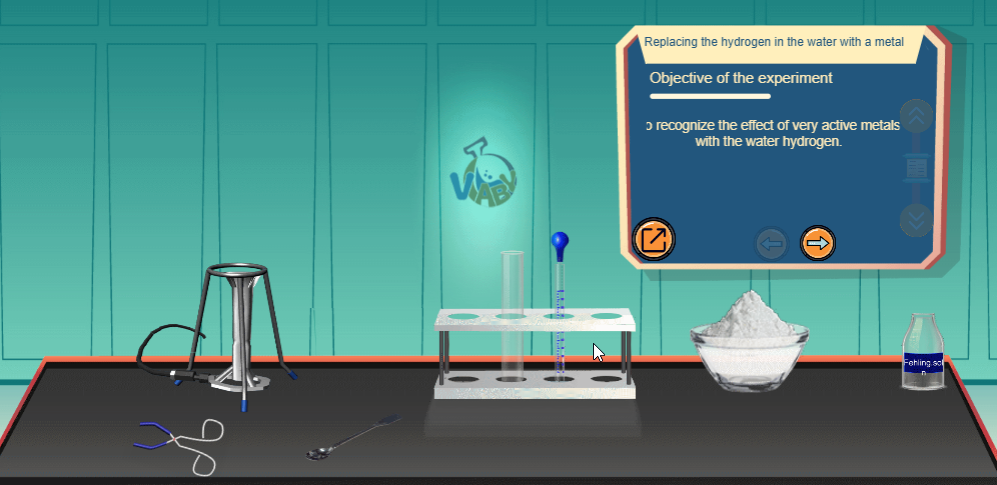
Keywords: Glucose – Reducing sugar – Fehling’s solution – Chemical test – Oxidation – Cu²⁺
Chemistry
Keywords: Glucose – Reducing sugar – Fehling’s solution – Chemical test – Oxidation – Cu²⁺
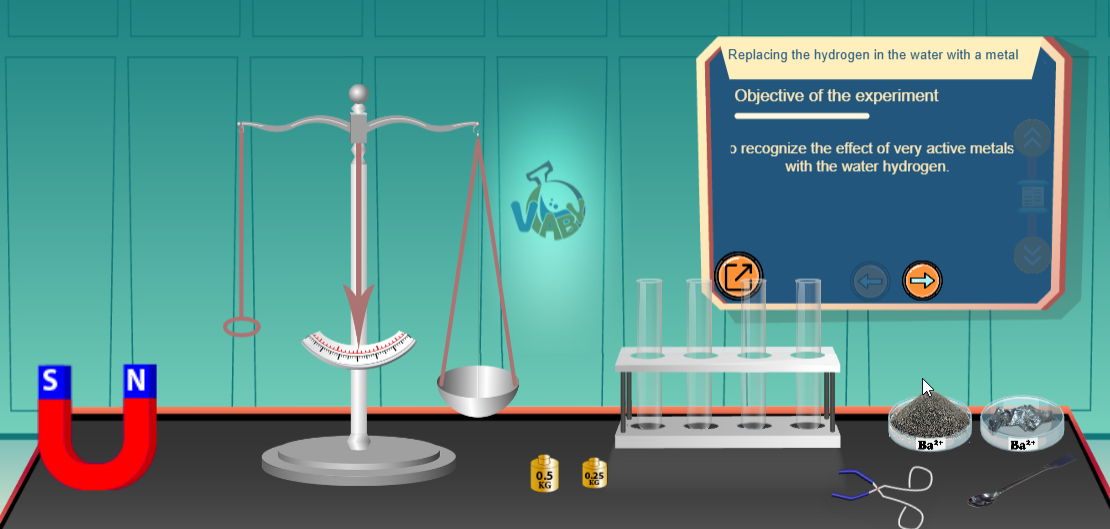
Keywords: Magnetic properties – Transition elements – Unpaired electrons – Paramagnetism – Diamagnet......
Chemistry
Keywords: Magnetic properties – Transition elements – Unpaired electrons – Paramagnetism – Diamagnetism – Fe – Co – Ni – Cu – Zn
Keywords: Electrons – Energy levels – Principal quantum number – Electron configuration – Electron s......
Chemistry
Keywords: Electrons – Energy levels – Principal quantum number – Electron configuration – Electron shell
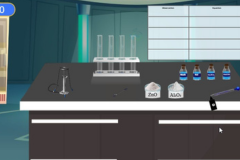
Objective: Identify the properties of amphoteric oxides.Materials: Test tubes – test tube holder – s......
Chemistry
Objective: Identify the properties of amphoteric oxides.Materials: Test tubes – test tube holder – spoons – aluminum oxide powder (Al₂O₃) – zinc oxide powder (ZnO) – diluted hydrochloric acid (HCl) – diluted sulfuric acid (H₂SO₄) – diluted sodium hydroxide (NaOH) – small burner – dropper.Procedure:......
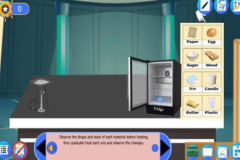
Objective: To distinguish between reversible and irreversible reactions.Materials: Candle – white pa......
Investigate Matter
Objective: To distinguish between reversible and irreversible reactions.Materials: Candle – white paper – egg – ice cubes – sugar – butter – heat source – heat-resistant container – tongs.Procedure: Observe each material before heating. Heat each material gradually and record the changes. Cool each......
Chemistry
Objective To determine the concentration of an unknown solution through an acid-base reaction using the equivalence point.Tools Beaker – burette – burette stand – unknown acid or base solution – standard solution of known concentration – suitable indicator – graduated cylinderSteps Place a measured......
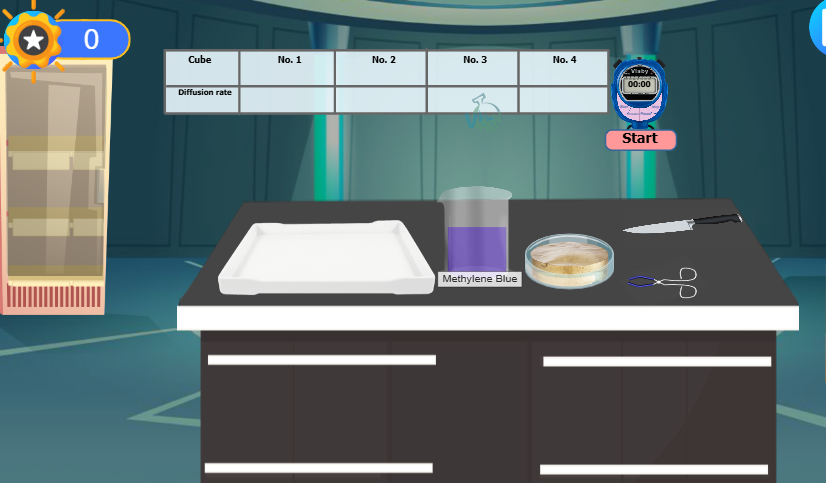
Objective To study the effect of cube size and surface area-to-volume ratio on the rate and depth of......
Forces Around Us
Objective To study the effect of cube size and surface area-to-volume ratio on the rate and depth of dye diffusion inside cubes.Tools Starch agar or gelatin block ≥ 3 cm thick – ruler and sharp knife – beaker with methylene blue or potassium permanganate solution – forcepsSteps Use the ruler and kni......
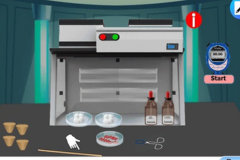
Objective To study the effect of ammonia concentration on the rate of gas diffusion and observe how......
Science
Objective To study the effect of ammonia concentration on the rate of gas diffusion and observe how distance affects the color change of red litmus paper.Tools Wide glass tube length ≥ 30 cm, closed at one end – red litmus paper squares – cotton piece soaked in concentrated ammonia solution – cotton......
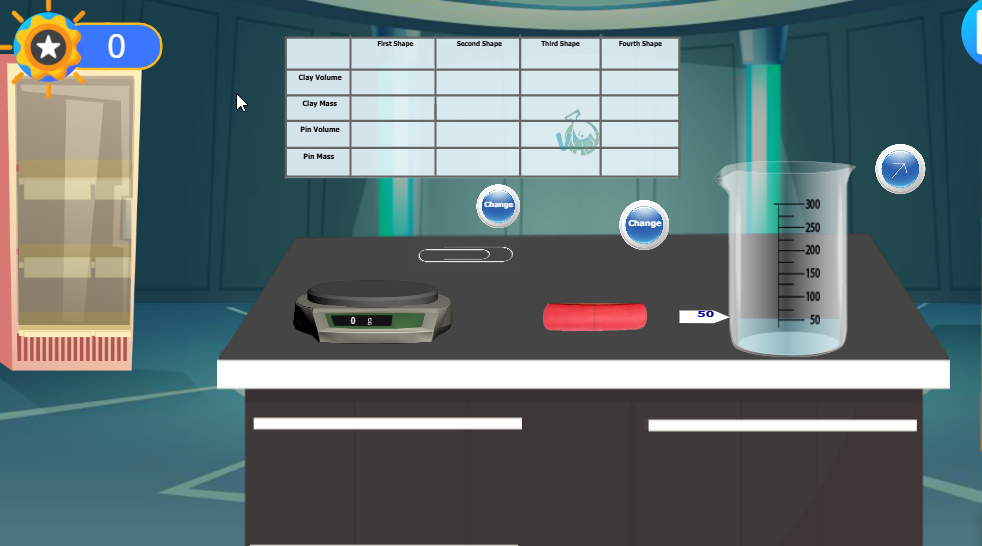
Objective To investigate the effect of changing the shape of a solid (such as clay) on its mass and......
Science
Objective To investigate the effect of changing the shape of a solid (such as clay) on its mass and volume.Tools Clay – double-pan balance – graduated cylinder – water – plastic knife – paper pinSteps Weigh a piece of clay using the balance. Determine the volume of the clay by placing it in a gradua......
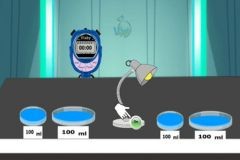
Objective To study the effect of temperature and surface area on the rate of water evaporation.Tools......
Science
Objective To study the effect of temperature and surface area on the rate of water evaporation.Tools Dishes (2 large and 2 small) – water – electric lamp or heat/light source or direct sunlight – stopwatchSteps Pour equal amounts of water into all four dishes. Place two dishes (one large and one sma......
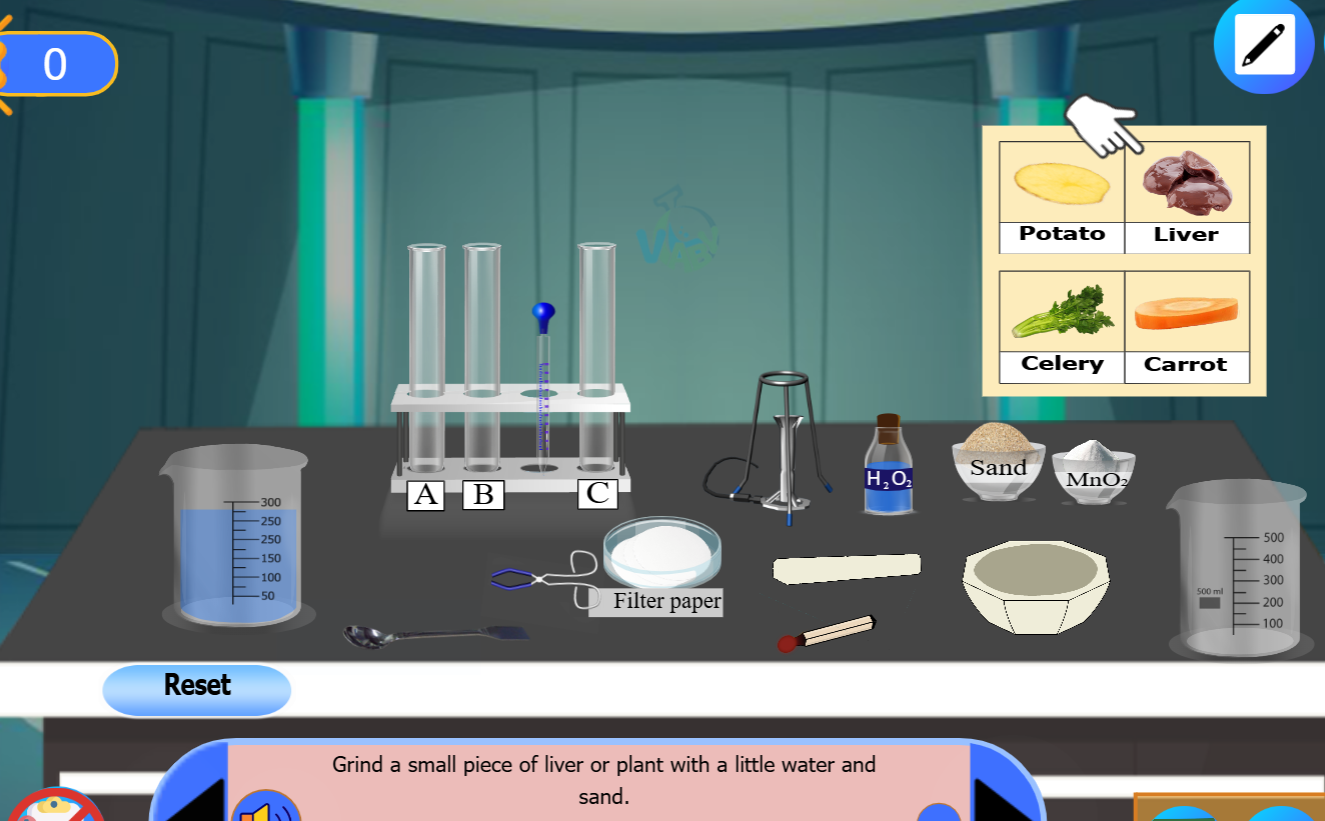
:Objective To study the activity of the enzyme catalase and how it breaks down hydrogen peroxide, an......
Science
:Objective To study the activity of the enzyme catalase and how it breaks down hydrogen peroxide, and to compare the activity between different enzyme sources (liver, potato, other plants):Tools Animal liver or plant alternative such as potato _ Mortar and Pestle _ Water _ Sand _ Test tubes _ Filter......
Objective: To prove that exhaled air contains less oxygen compared to atmospheric air.Materials: Lar......
Science
Objective: To prove that exhaled air contains less oxygen compared to atmospheric air.Materials: Large container with screw cap – water container – rubber tube – candle.Procedure: Fill the large container with water. Place the rubber tube through the cap and invert the container in the water, ensuri......
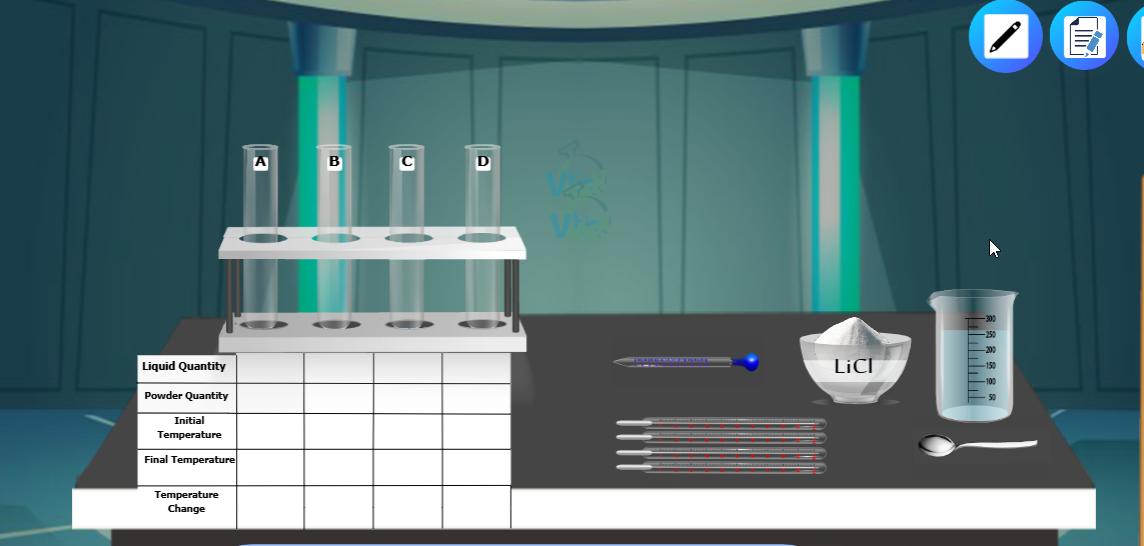
Objective: To study the effect of solute mass on the amount of temperature change accompanying the d......
Science
Objective: To study the effect of solute mass on the amount of temperature change accompanying the dissolution process.Materials: Solid lithium chloride (LiCl) – distilled water – glass beaker – thermometer – sensitive balance – stirring rod or spoon – stopwatch.Procedure: Prepare four identical tes......
Objective: To prove that some chemical reactions are accompanied by the release of thermal energy, w......
Science
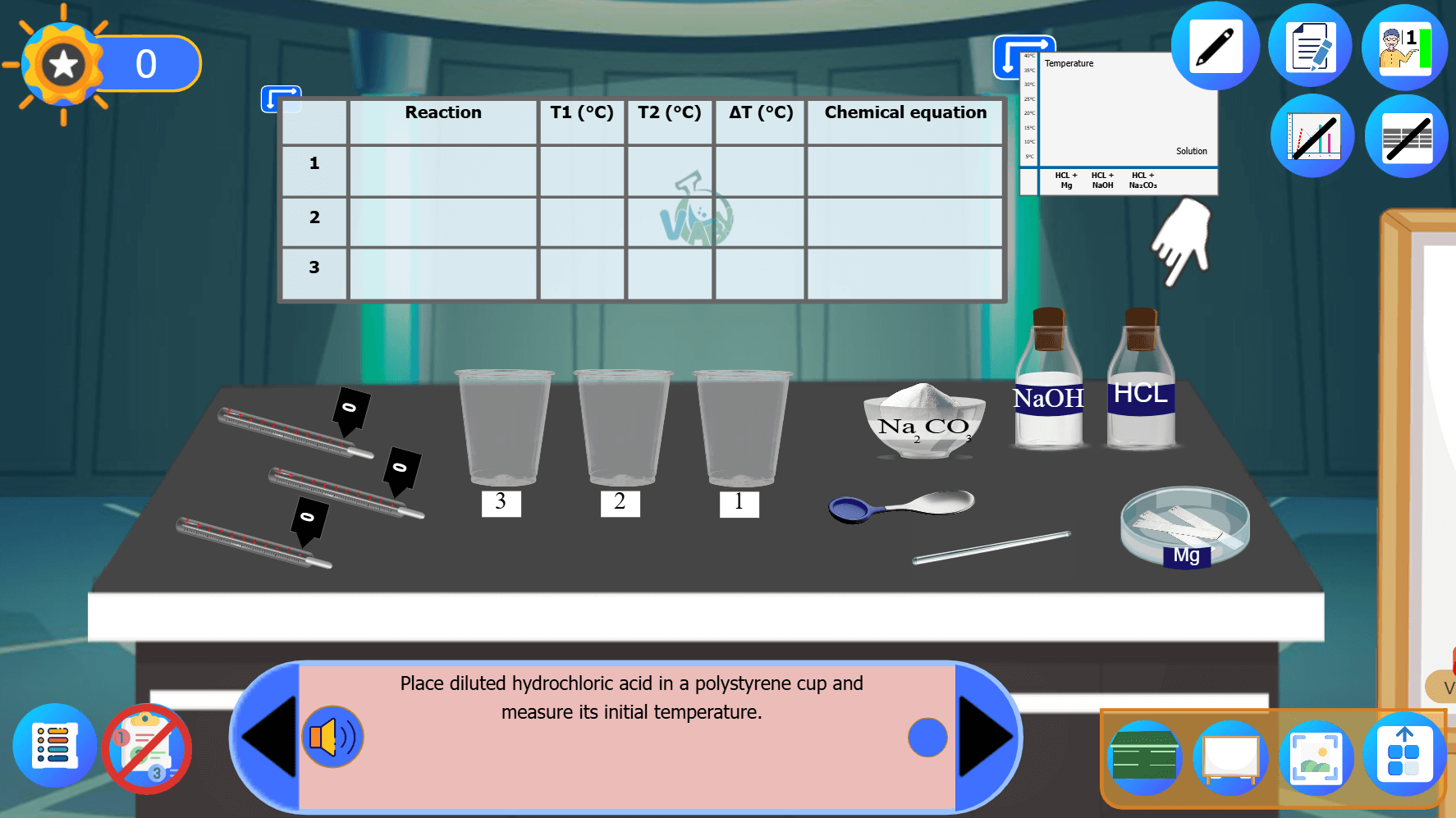
Objective: To prove that some chemical reactions are accompanied by the release of thermal energy, which leads to an increase in the temperature of the surrounding medium.Materials: Dilute hydrochloric acid – Magnesium ribbon – Sodium hydroxide solution – Sodium carbonate – Polystyrene cups – Glass......
Objective: To compare the amount of thermal energy released from the combustion of fats and carbohyd......
Integrated Sciences
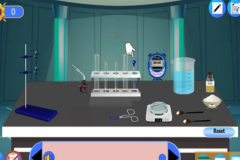
Objective: To compare the amount of thermal energy released from the combustion of fats and carbohydrates.Tools: Test tube - Combustion spoon - Bunsen burner - Sensitive balance - Thermometer - Water - Sample of white sugar (carbohydrate) - Sample of pure vegetable oil (fat)Steps: Place an appropria......
Objective: To identify the difference between hydrated and anhydrous salts and to explain the effect......
Science
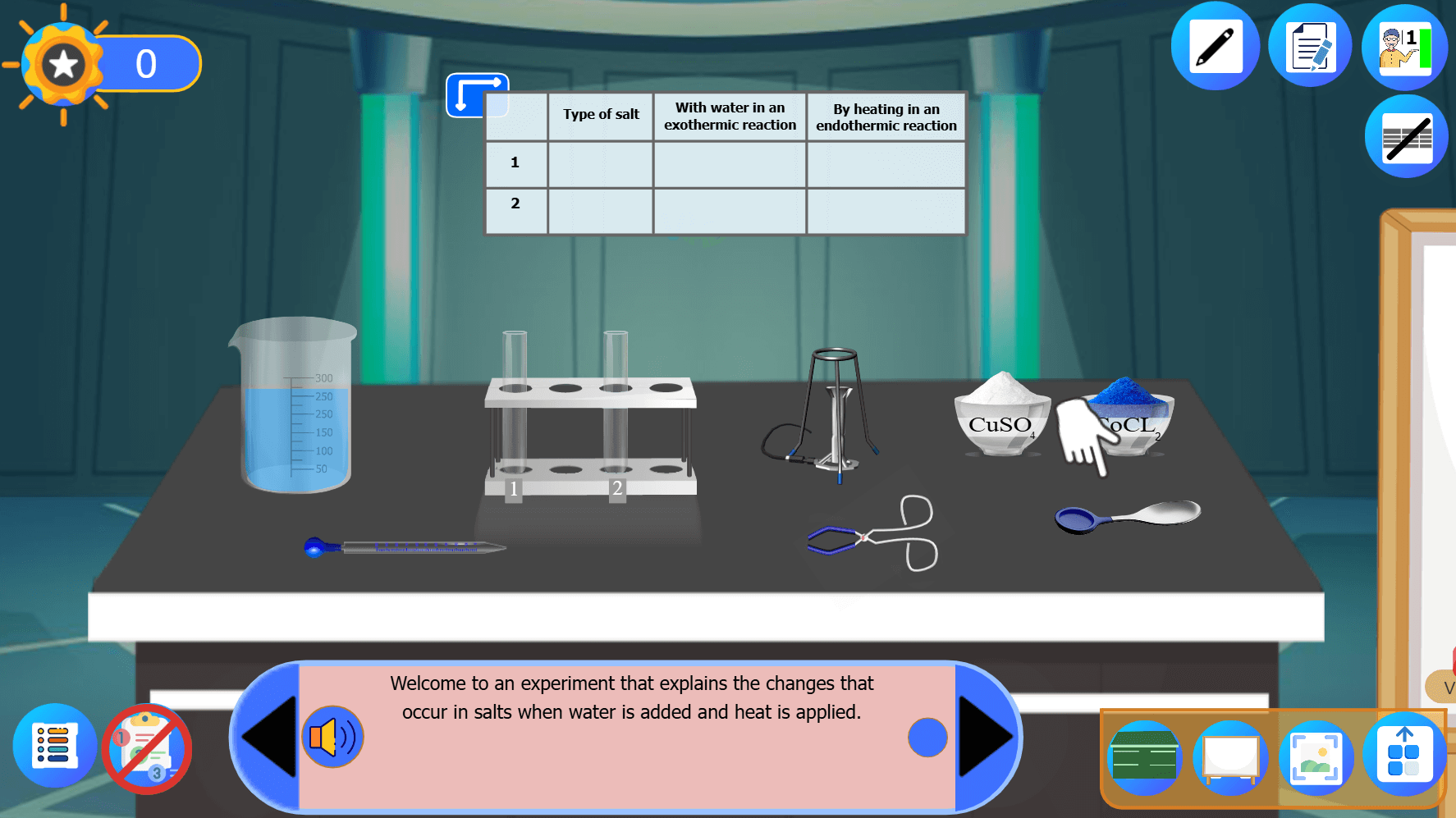
Objective: To identify the difference between hydrated and anhydrous salts and to explain the effect of adding water and heating on some salts.Materials: Anhydrous copper sulfate (CuSO₄) – Anhydrous cobalt chloride (CoCl₂) – Distilled water – Dropper – Test tubes – Heat source (Bunsen burner or elec......
Objective: To prove that oxygen gas is essential for combustion and to study the effect of its conce......
Science
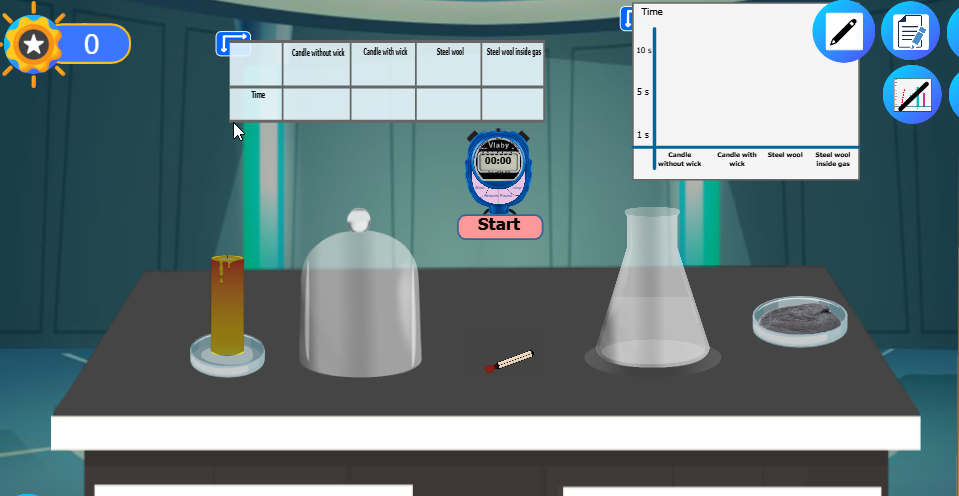
Objective: To prove that oxygen gas is essential for combustion and to study the effect of its concentration on the rate and intensity of burning.Tools: Paraffin candle _ Glass bell jar _ Piece of steel wool _ Flask containing pure oxygen gas _ MatchesSteps: Light the paraffin candle using a match.......
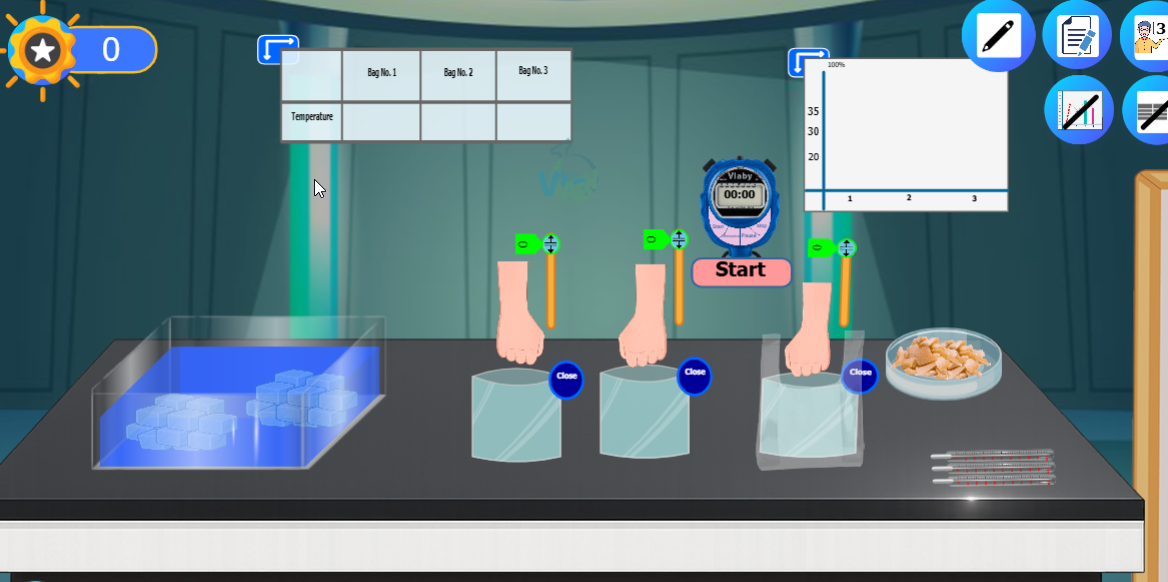
Objective To explain the role of fats in reducing heat loss and show that they act as a thermal insu......
Discover
Objective To explain the role of fats in reducing heat loss and show that they act as a thermal insulator that maintains body temperature.Tools Vegetable fats - Double-layer plastic bag - Plastic bag without fats - Bowl containing ice water - ThermometerSteps Place the vegetable fats inside the doub......
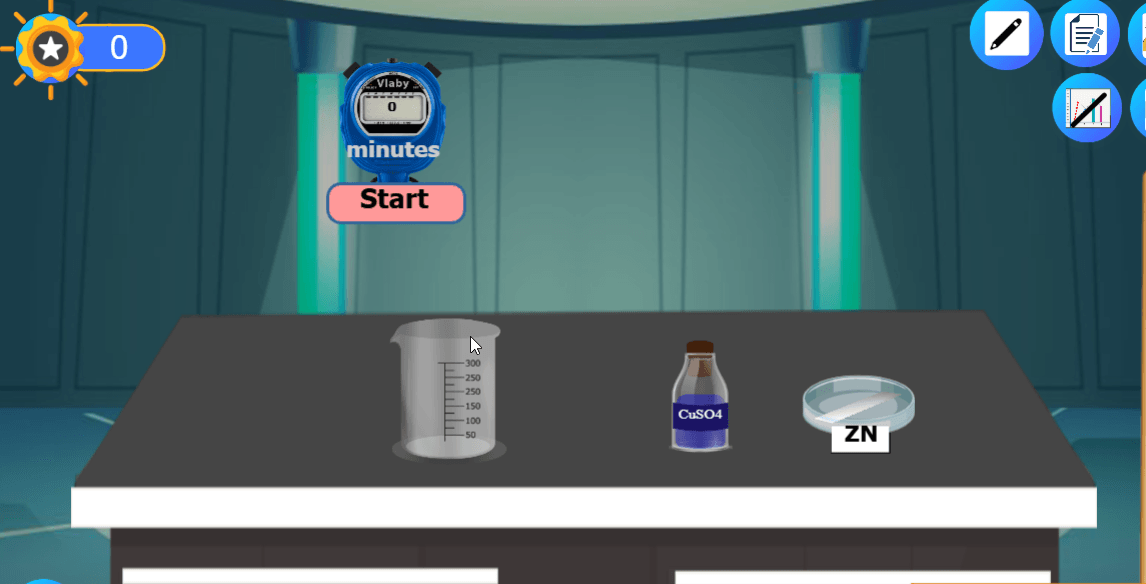
Objective: To study a spontaneous redox reaction between zinc metal and copper sulfate solutionMater......
Chemistry
Objective: To study a spontaneous redox reaction between zinc metal and copper sulfate solutionMaterials: Zinc plate _ Copper sulfate solution CuSO4 _ Glass beaker _ Forceps _ Glass rodSteps: Pour copper sulfate solution into a beaker Immerse the zinc plate in the solution Observe the surface and co......
Objective: To identify the reaction of ethanol with sodium and prove that ethanol has weak acidic pr......
Objective: To identify the reaction of ethanol with sodium and prove that ethanol has weak acidic properties.Materials: Test tube (10 mL) _ Ethanol _ A piece of sodium _ MatchstickSteps: Put 5 mL of ethanol in a test tube. Add a small piece of sodium carefully into the test tube. Close the mouth of......
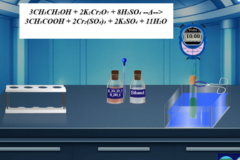
Objective: Study the oxidation of ethanol.Materials: Test tube 10 mL _ Water bath _ Ethanol _ Acidif......
Organic chemistry
Objective: Study the oxidation of ethanol.Materials: Test tube 10 mL _ Water bath _ Ethanol _ Acidified potassium dichromate solution (orange in color)Steps: Place 3 mL of ethanol in a test tube. Add an equal amount of acidified potassium dichromate solution. Heat the mixture in a water bath for 10......
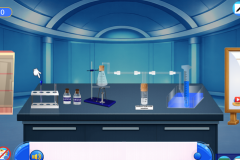
Objective: Preparation of ethene gas from ethyl alcohol (ethanol) and identification of the dehydrat......
Organic chemistry
Objective: Preparation of ethene gas from ethyl alcohol (ethanol) and identification of the dehydration reaction of alcohols.Materials: Bunsen burner _ Round-bottom flask _ Thermometer _ Ethanol (ethyl alcohol) _ Concentrated sulfuric acid _ Bottle containing sodium hydroxide solution _ Water trough......
.png)
Objective: Preparation of ethyne gas from calcium carbide. To identify the reaction of calcium carbi......
Chemistry
Objective: Preparation of ethyne gas from calcium carbide. To identify the reaction of calcium carbide with water.Materials: Gas preparation apparatus (flask + dropping funnel) _ Calcium carbide CaC₂ _ Water _ Bottle containing copper sulfate solution in dilute sulfuric acid _ Water trough _ Inverte......
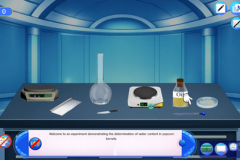
Objective: To determine the water content in popcorn kernels by measuring mass before and after heat......
Chemistry
Objective: To determine the water content in popcorn kernels by measuring mass before and after heating.Materials: Glass beaker _ 20 popcorn kernels _ 5 mL cooking oil _ aluminum foil _ electronic balance _ stove or hot plateProcedure: Add 5 mL of cooking oil to a clean glass beaker. Measure the mas......
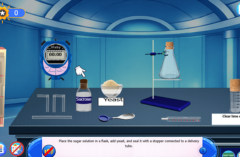
Objective: To study alcoholic fermentation of sugars and understand how sugars are converted into et......
Chemistry
Objective: To study alcoholic fermentation of sugars and understand how sugars are converted into ethanol.Materials: Glass flask _ sugar solution (molasses or sucrose solution) _ yeast _ stopper with delivery tube _ limewater beakerProcedure: Place the sugar solution in the flask. Add an appropriate......
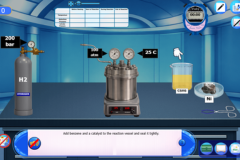
Objective: To study the hydrogenation reaction of aromatic compounds. To understand how an unsaturat......
Chemistry
Objective: To study the hydrogenation reaction of aromatic compounds. To understand how an unsaturated compound (benzene) is converted into a saturated compound (cyclohexane).Materials: Sealed reaction flask _ hydrogen gas _ liquid benzene _ nickel catalyst _ heat source from 100 to 200 degrees Cels......
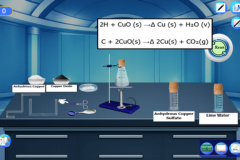
Objective: To detect the presence of carbon and hydrogen elements in organic compounds.Materials: Te......
Chemistry
Objective: To detect the presence of carbon and hydrogen elements in organic compounds.Materials: Test tube _ heat source _ organic substances _ copper oxide _ anhydrous copper sulfate white _ clear limewater _ delivery tubeProcedure: Place a small amount of an organic substance inside a test tube.......
Objective: To study the acidic properties of acetic acid. To identify its reactions with metals, met......
Objective: To study the acidic properties of acetic acid. To identify its reactions with metals, metal oxides, bases, and carbonates.Materials: Test tubes with holder _ dropper _ acetic acid _ magnesium strip _ calcium oxide _ sodium hydroxide solution _ sodium bicarbonate _ burning match or glowing......
Objective: To study the effect of lactase enzyme on lactose sugar and prove the ability of enzymes t......
Objective: To study the effect of lactase enzyme on lactose sugar and prove the ability of enzymes to break down disaccharides into monosaccharides that can be detected using Benedict’s test or glucose strips.Materials: 2% lactose solution _ two test tubes _ lactase enzyme (powdered tablet) _ beaker......
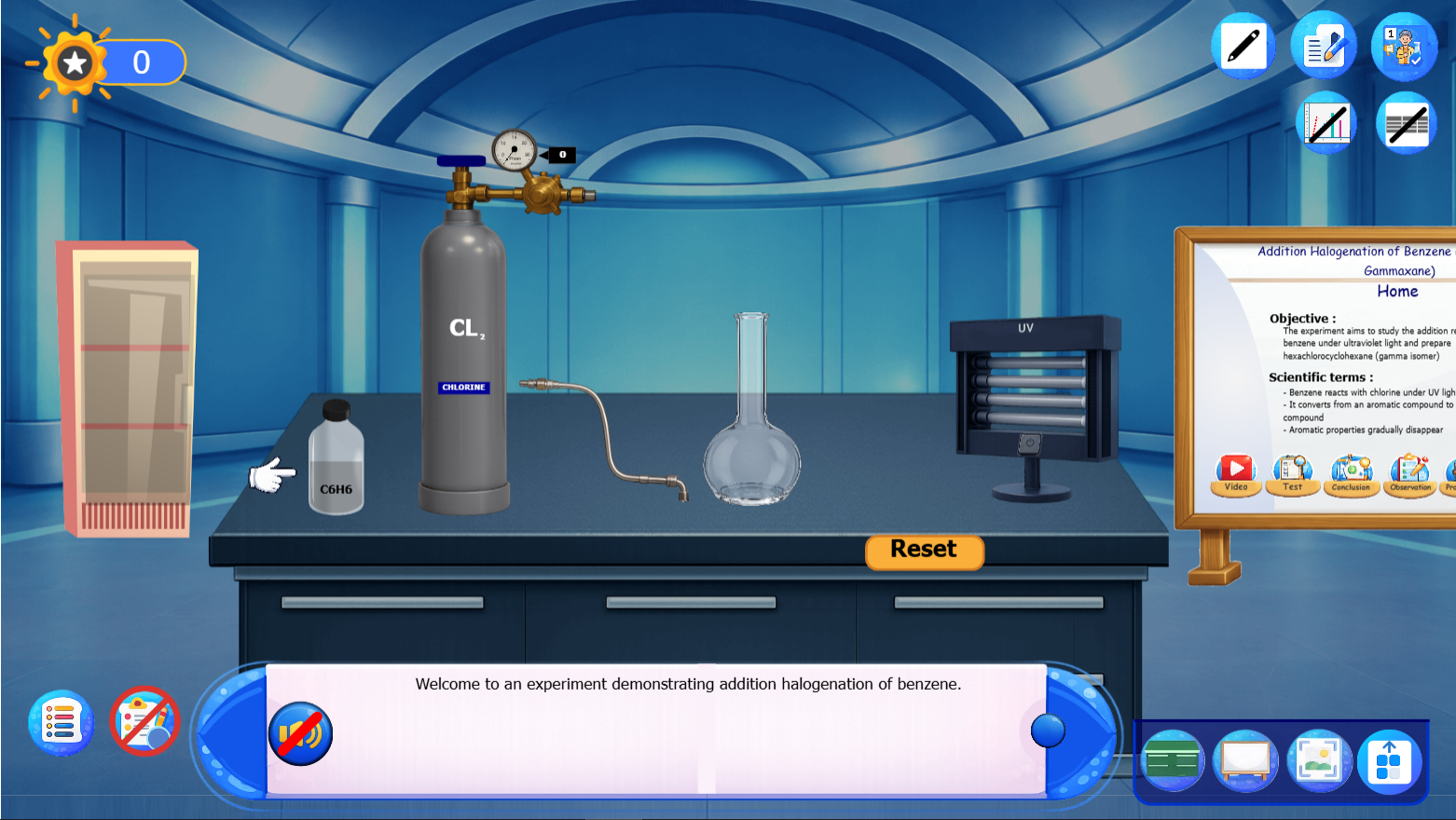
Objective: To study the addition reaction of benzene under the effect of ultraviolet radiation. To p......
Chemistry
Objective: To study the addition reaction of benzene under the effect of ultraviolet radiation. To prepare cyclohexane hexachloride compound (gammaxane).Materials: Sealed glass flask _ benzene _ chlorine gas _ ultraviolet light source _ gas inlet tubeProcedure: Place a suitable amount of liquid benz......
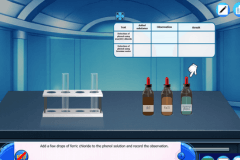
Objective: To identify methods for detecting phenol and distinguishing it from other compounds.Mater......
Chemistry
Objective: To identify methods for detecting phenol and distinguishing it from other compounds.Materials: Test tubes _ dropper _ aqueous phenol solution _ iron chloride solution _ bromine water _ sodium hydroxide solutionProcedure: Place a quantity of phenol solution in a test tube. Add a few drops......
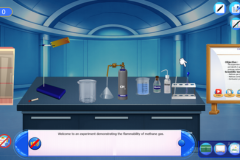
Objective: To observe the combustion of methane gas and identify it as an exothermic combustion reac......
Chemistry
Objective: To observe the combustion of methane gas and identify it as an exothermic combustion reaction that produces carbon dioxide gas and water vapor.Materials: Large glass beaker _ liquid soap _ glycerin _ water _ rubber tube connected to a methane gas source _ small funnel _ candle fixed on a......
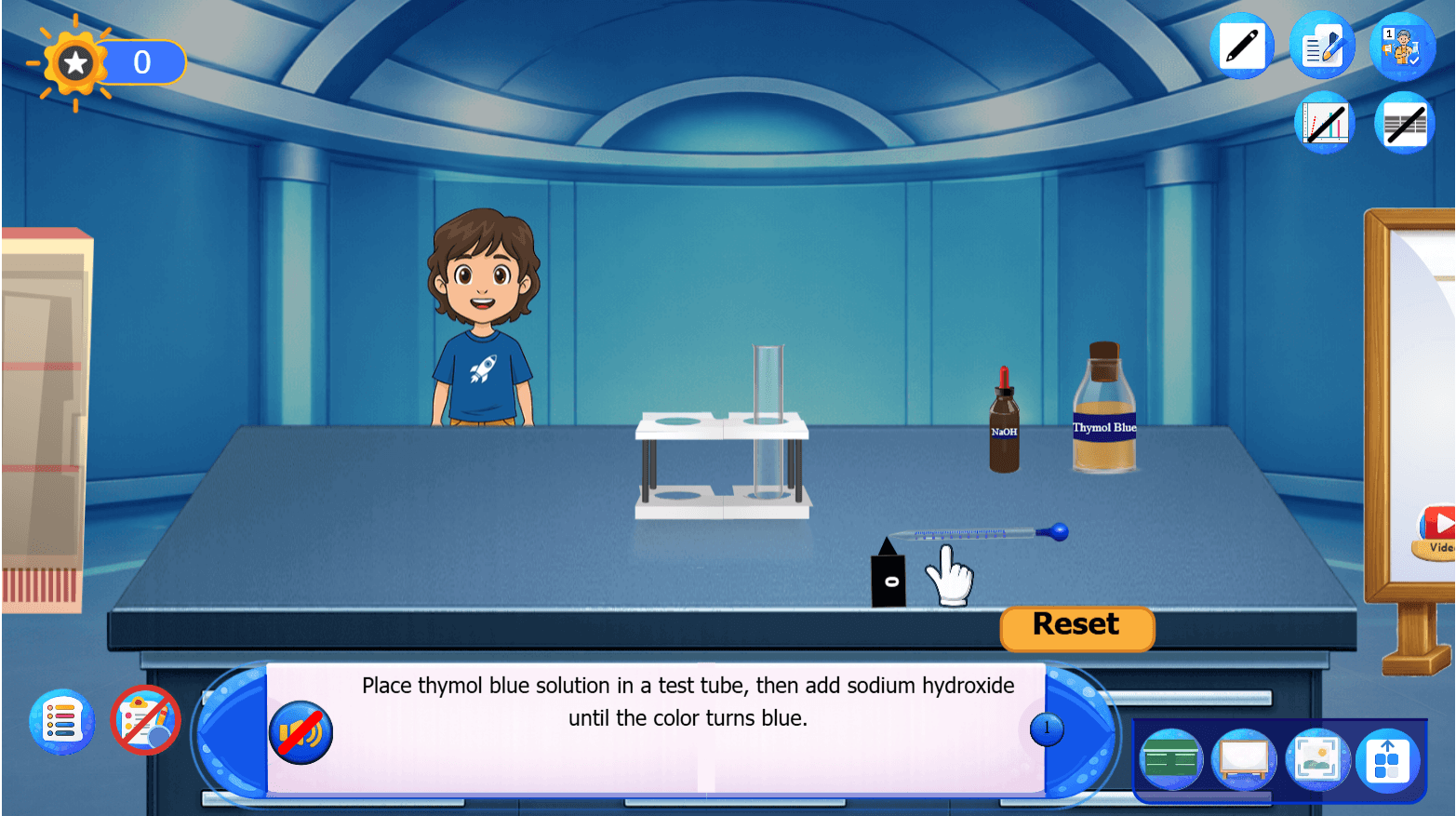
Objective: To prove that carbon dioxide gas in human exhaled air reacts with water to form carbonic......
Objective: To prove that carbon dioxide gas in human exhaled air reacts with water to form carbonic acid, and observe its effect on the color change of thymol indicator according to pH.Materials: Test tube _ blue thymol solution _ sodium hydroxide solution _ plastic pipetteProcedure: Pour 5 mL of bl......
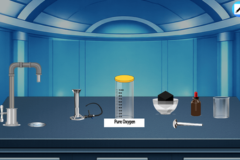
Objective: To identify the reaction of a nonmetal carbon with oxygen gas.Materials: Piece of charcoa......
Science
Objective: To identify the reaction of a nonmetal carbon with oxygen gas.Materials: Piece of charcoal carbon _ combustion spoon _ glass jar filled with oxygen gas _ Bunsen burner _ water _ dropper _ purple litmus indicatorProcedure: Place the charcoal piece in the combustion spoon. Heat the charcoal......
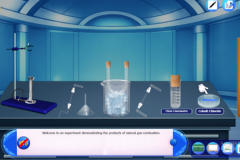
Objective:To identify the products of natural gas combustion and prove the formation of water vapor......
Science
Objective:To identify the products of natural gas combustion and prove the formation of water vapor and carbon dioxide gasMaterials:Bunsen burner using natural gas – Stand – Connecting tubes – Two-way tube – Anhydrous cobalt chloride paper – Test tube containing clear limewaterProcedure:Secure the t......
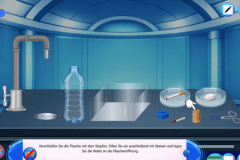
Objective:To identify the products of tobacco combustionMaterials:A transparent plastic bottle with......
Science
Objective:To identify the products of tobacco combustionMaterials:A transparent plastic bottle with a hole – A perforated cap – A stopper – A cigarette – A piece of white cotton – WaterProcedure:Close the bottle with the stopper then fill it with water Place the piece of cotton at the mouth of the b......
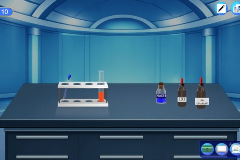
Objective:To identify the neutralization reaction between an acid and an alkali using a universal in......
Science
Objective:To identify the neutralization reaction between an acid and an alkali using a universal indicatorMaterials:Test tubes – Dropper – Dilute sodium hydroxide solution NaOH – Dilute hydrochloric acid HCl – Universal indicatorProcedure:Place 1 mL of dilute sodium hydroxide solution into a test t......

This experiment aims to study the reaction of a strong acid with a salt of a weak acid and identify......
Science
This experiment aims to study the reaction of a strong acid with a salt of a weak acid and identify the products formed.
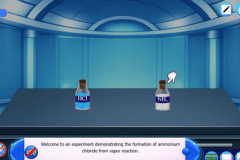
Objective:Observe the formation of solid ammonium chloride from the reaction between ammonia vapors......
M17: Acids and Bases
Objective:Observe the formation of solid ammonium chloride from the reaction between ammonia vapors and hydrogen chloride vaporsMaterials:Concentrated hydrochloric acid (HCl) Concentrated ammonia solution (NH₃)Procedure:Open the bottle of hydrochloric acidOpen the bottle of ammoniaBring the mouths o......
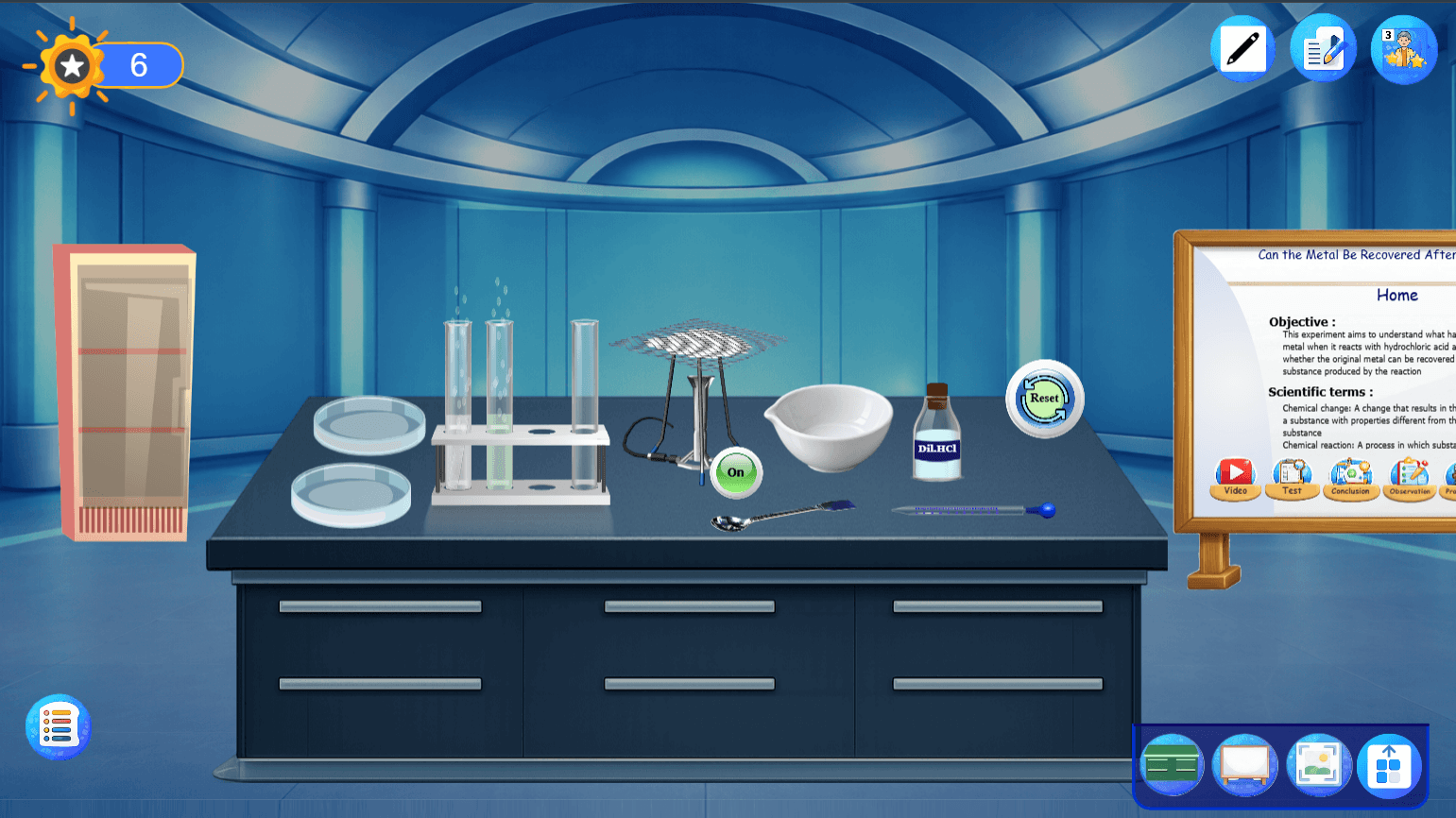
Objective:Identify what happens to a metal when it reacts with hydrochloric acid and determine wheth......
Science
Objective:Identify what happens to a metal when it reacts with hydrochloric acid and determine whether the original metal can be recovered from the new substance produced by the reactionMaterials:Two test tubes – A small piece of aluminum – A small piece of steel wool – Dilute hydrochloric acid – Dr......
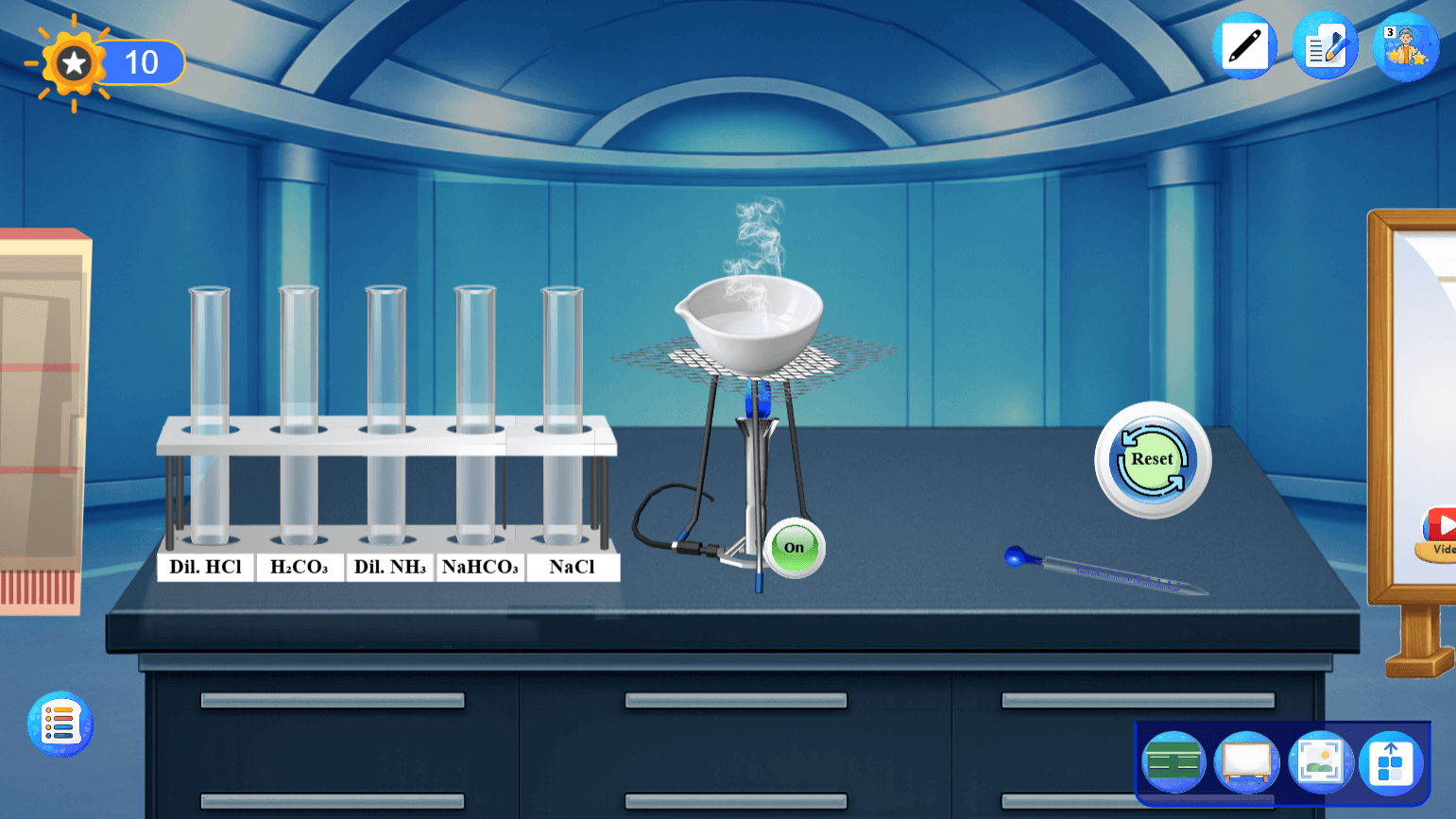
Objective:Identify the state of the dissolved substance in a solution by heating it and evaporating......
Science
Objective:Identify the state of the dissolved substance in a solution by heating it and evaporating the solvent, then observing the remaining substance.Materials:Test tubes – Solutions: salt water, sparkling water, dilute hydrochloric acid, baking soda solution, dilute ammonia solution – Evaporating......
Objective:Detect the carbon dioxide gas produced by burning the candle using clear limewater.Materia......
Science
Objective:Detect the carbon dioxide gas produced by burning the candle using clear limewater.Materials:Two glass containers – Two lids – Candle – Candle holder – Clear limewater – Safety goggles – LighterProcedure:Place equal amounts of clear limewater in the two glass containers Place the candle on......
Objective:Demonstrate the importance of air entering and hot gases leaving in maintaining the combus......
Science
Objective:Demonstrate the importance of air entering and hot gases leaving in maintaining the combustion process.Materials:Candle – Piece of clay – Metal cover – Bottomless glass container – Candle holder – Wooden board – LighterProcedure:Secure the candle on the piece of clay placed on the wooden b......

© All Rights Reserved @ 2026 For VLaby - Powered By VLaby.