 English
  Arabic
  French
  German
  Indonesian

English
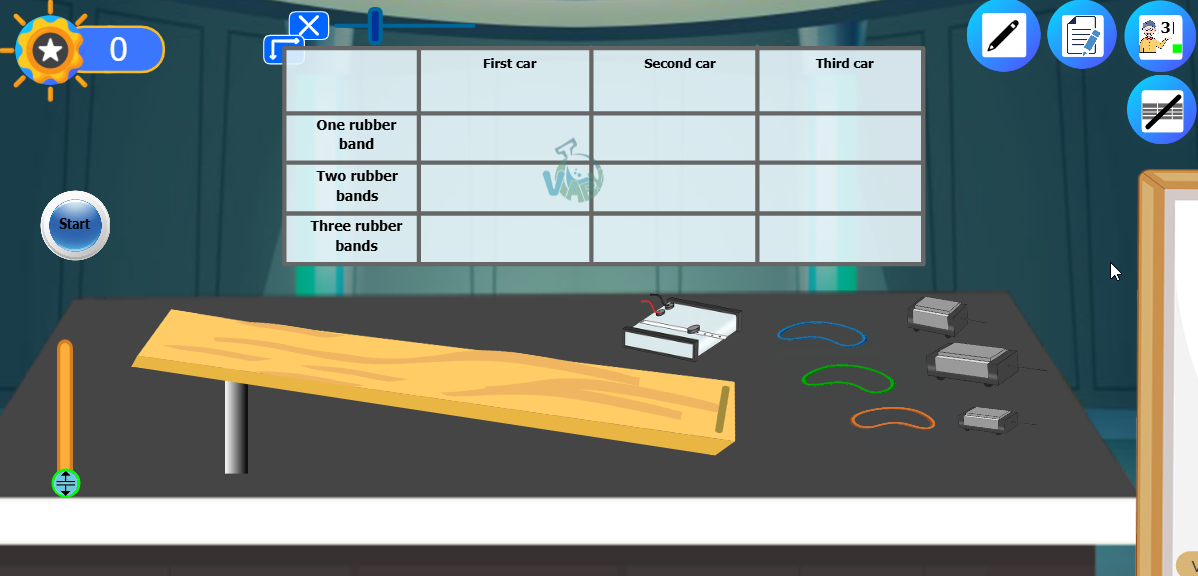
Objective To study the effect of force and mass on acceleration and verify Newtons second law F=maF=......
Science
Objective To study the effect of force and mass on acceleration and verify Newtons second law F=maF=maF=maMaterials Small wheeled cart _ adjustable ramp _ rubber bands _ 1–3 carts to change mass _ tape or motion sensor with computer _ side barrierProcedure Compensate for friction lift the ramp and l......
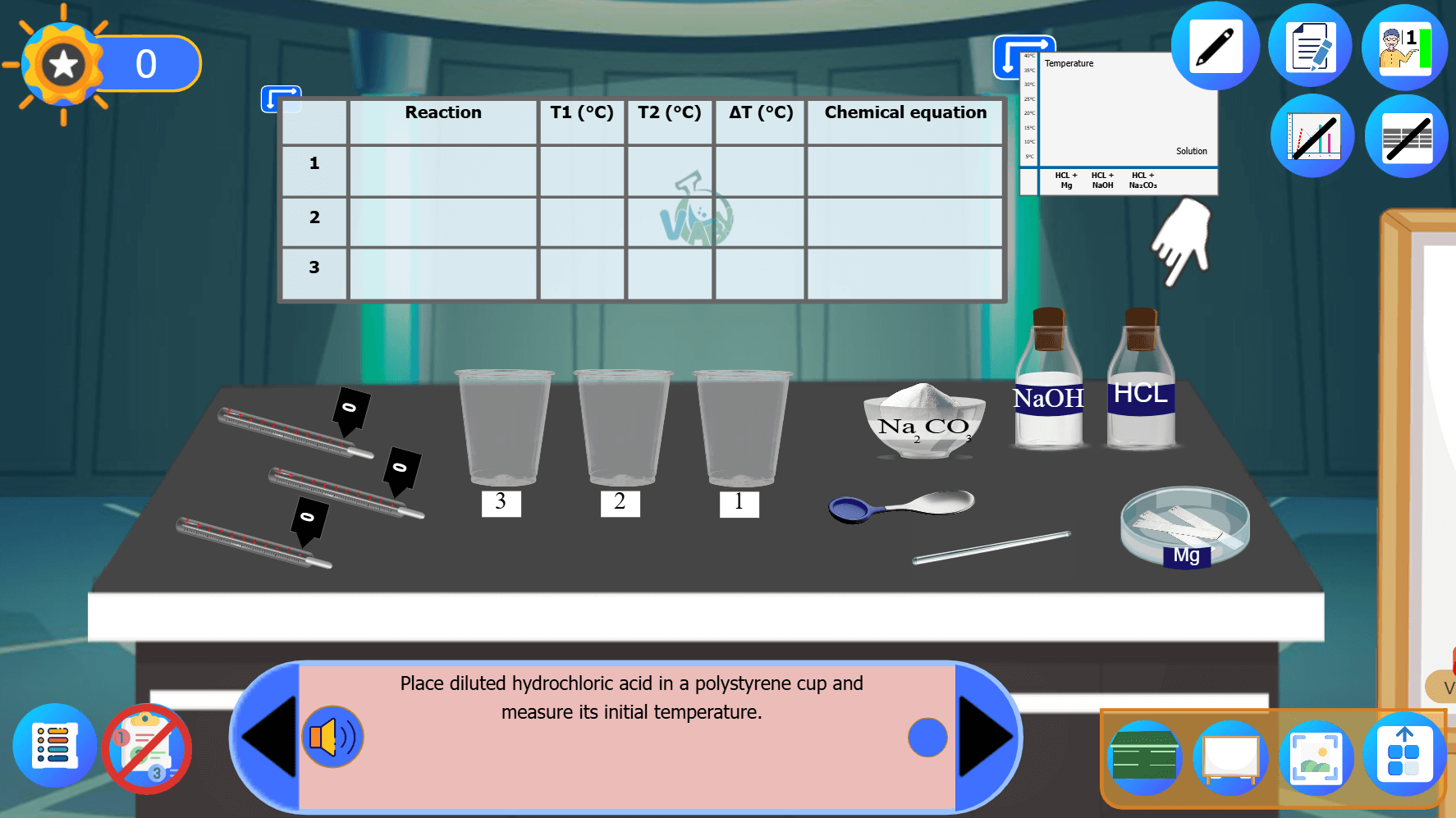
Objective: To prove that some chemical reactions are accompanied by the release of thermal energy, w......
Science
Objective: To prove that some chemical reactions are accompanied by the release of thermal energy, which leads to an increase in the temperature of the surrounding medium.Materials: Dilute hydrochloric acid – Magnesium ribbon – Sodium hydroxide solution – Sodium carbonate – Polystyrene cups – Glass......
Objective: To compare the amount of thermal energy released from the combustion of fats and carbohyd......
Integrated Sciences
Objective: To compare the amount of thermal energy released from the combustion of fats and carbohydrates.Tools: Test tube - Combustion spoon - Bunsen burner - Sensitive balance - Thermometer - Water - Sample of white sugar (carbohydrate) - Sample of pure vegetable oil (fat)Steps: Place an appropria......
Objective: To identify chemical reactions that absorb thermal energy from the surroundings, leading......
Science
Objective: To identify chemical reactions that absorb thermal energy from the surroundings, leading to a decrease in temperature.Tools: Barium hydroxide - Ammonium chloride - Sodium bicarbonate - Dilute acid - Calcium carbonate - Glass flask - Insulated cup - Thermometer - Heat sourceSteps: Barium h......
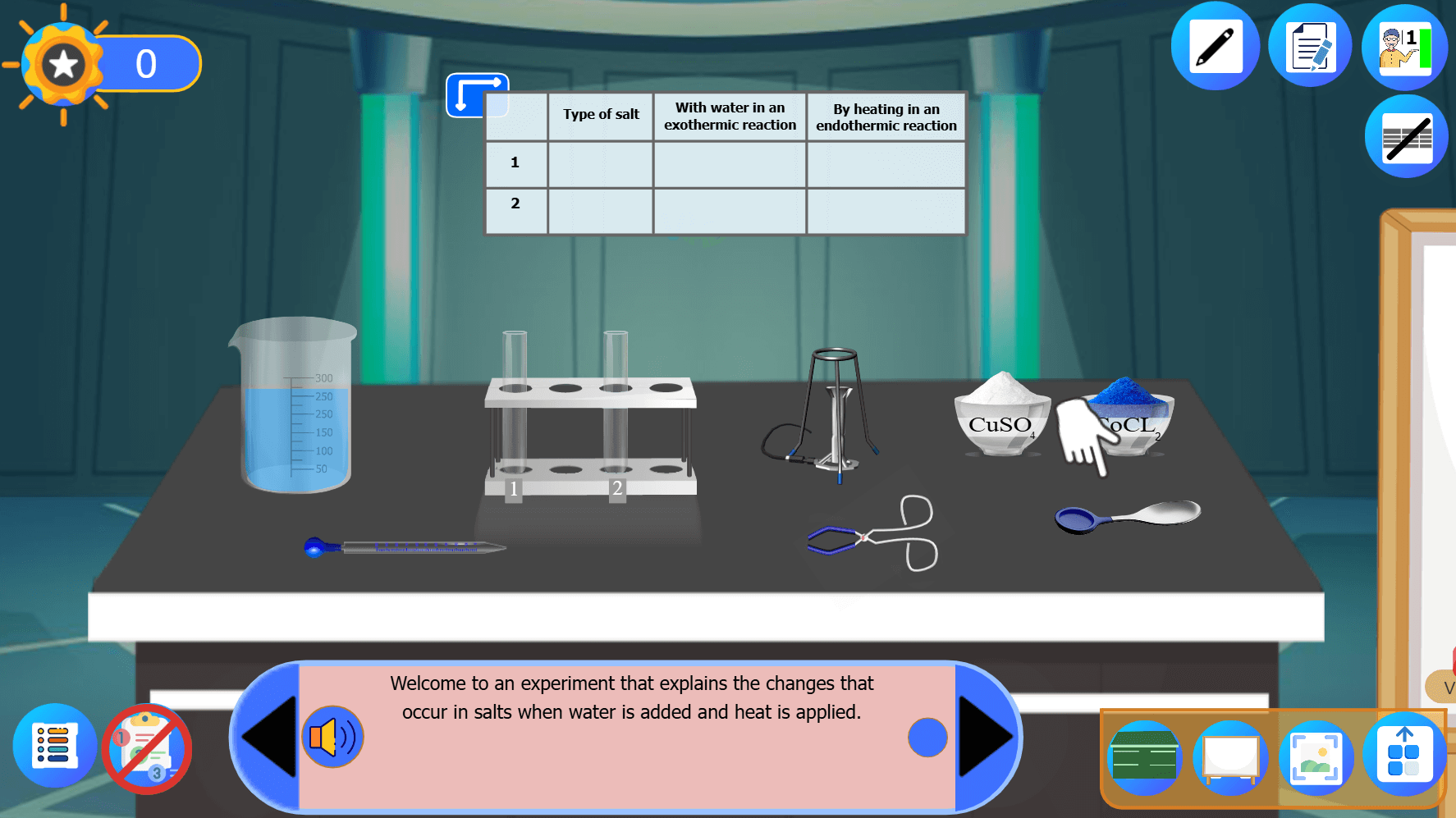
Objective: To identify the difference between hydrated and anhydrous salts and to explain the effect......
Science
Objective: To identify the difference between hydrated and anhydrous salts and to explain the effect of adding water and heating on some salts.Materials: Anhydrous copper sulfate (CuSO₄) – Anhydrous cobalt chloride (CoCl₂) – Distilled water – Dropper – Test tubes – Heat source (Bunsen burner or elec......
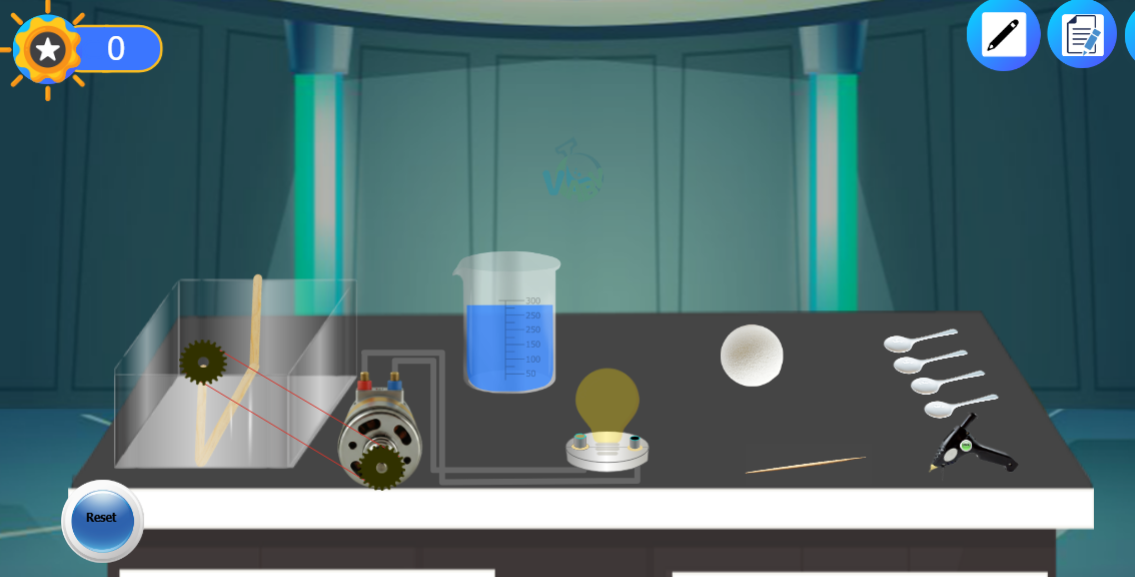
Objective: To demonstrate how the kinetic energy of water is converted into mechanical energy by des......
Science
Objective: To demonstrate how the kinetic energy of water is converted into mechanical energy by designing a simple water turbine model.Materials: White foam ball – four plastic spoons – toothpick – three wooden sticks – container – jug.Steps: Fix the spoons onto the foam ball to represent turbine b......
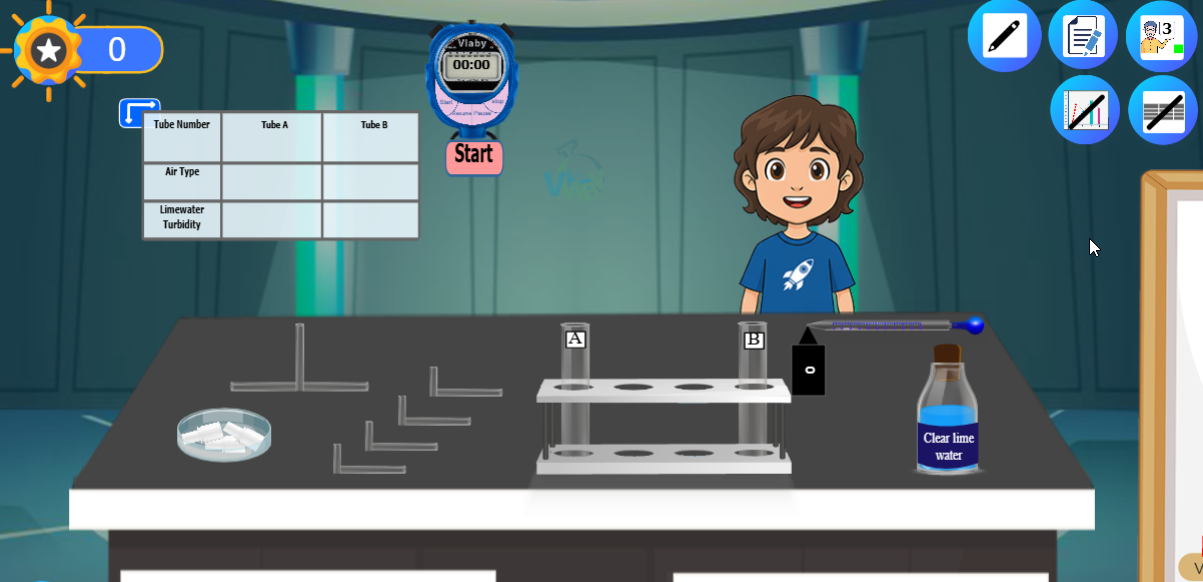
Objective: To prove that exhaled air contains a greater amount of carbon dioxide compared to inhaled......
Organisation of the organism
Objective: To prove that exhaled air contains a greater amount of carbon dioxide compared to inhaled air.Tools: Two large boiling tubes (A and B) - A small amount of clear limewater in each tube - Mouthpiece with one-way valves - Connecting tubesSteps: Place equal amounts of clear limewater in both......
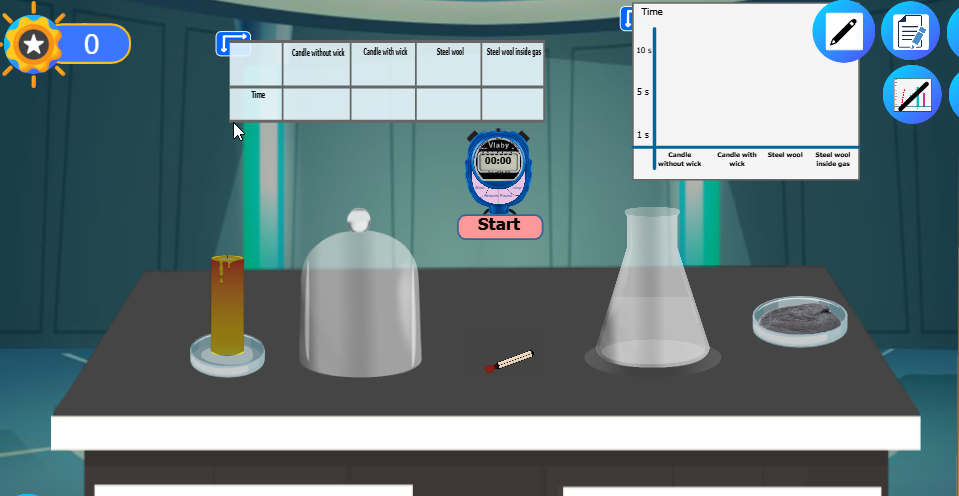
Objective: To prove that oxygen gas is essential for combustion and to study the effect of its conce......
Science
Objective: To prove that oxygen gas is essential for combustion and to study the effect of its concentration on the rate and intensity of burning.Tools: Paraffin candle _ Glass bell jar _ Piece of steel wool _ Flask containing pure oxygen gas _ MatchesSteps: Light the paraffin candle using a match.......
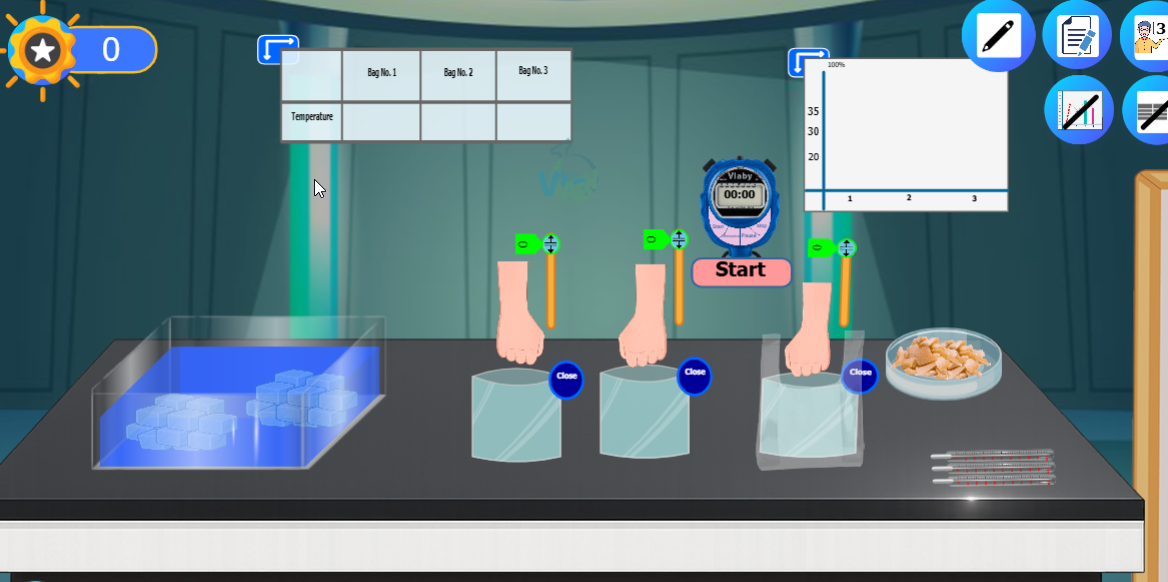
Objective To explain the role of fats in reducing heat loss and show that they act as a thermal insu......
Discover
Objective To explain the role of fats in reducing heat loss and show that they act as a thermal insulator that maintains body temperature.Tools Vegetable fats - Double-layer plastic bag - Plastic bag without fats - Bowl containing ice water - ThermometerSteps Place the vegetable fats inside the doub......
Objective: To identify the different tissues in a plant stem (xylem – phloem – cortex – pith) and us......
Science
Objective: To identify the different tissues in a plant stem (xylem – phloem – cortex – pith) and use the differential stain Toluidine Blue O to distinguish them under the microscope.Tools: Fresh plant stem _ Sharp razor blades _ Forceps _ Glass slides and coverslips _ Distilled water _ 30% glycerin......

Objective: To show that an object remains at rest or in uniform straight motion unless acted upon by......
Science
Objective: To show that an object remains at rest or in uniform straight motion unless acted upon by an external force.Tools: Small cart _ Small ball or object on the cart _ Flat surfaceSteps: Place the ball on the stationary cart. Try moving the cart by pulling or pushing it slowly. Observe what ha......
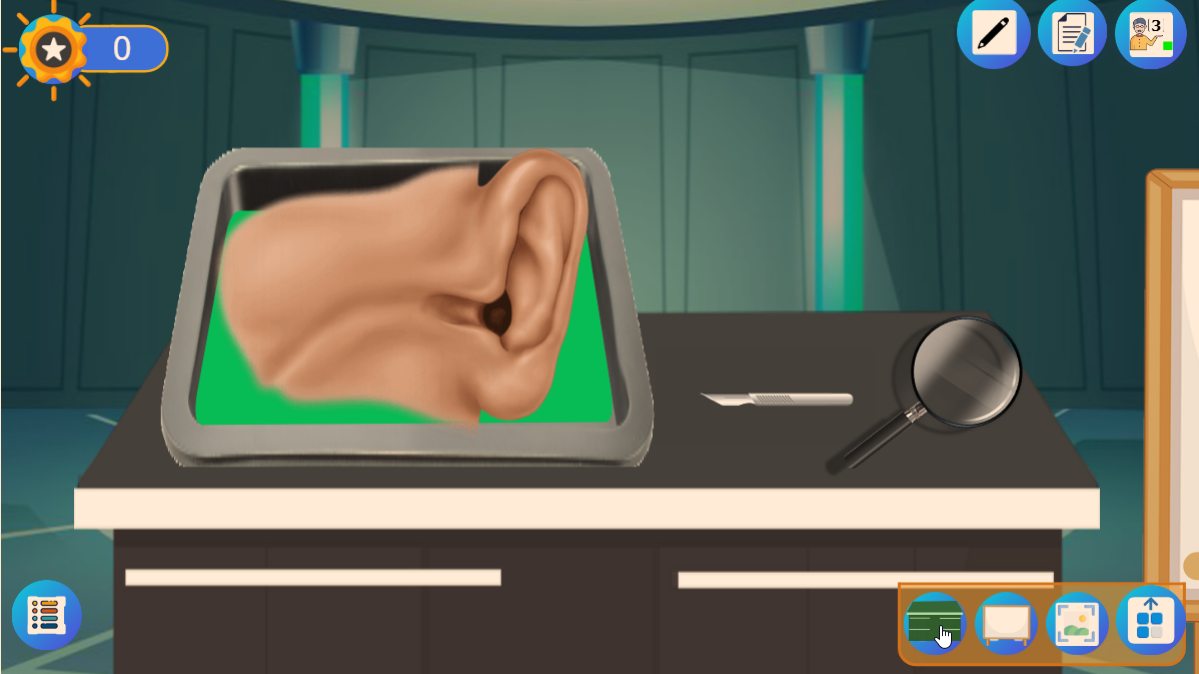
Objective: To learn the structure of the ear (outer, middle, inner) and understand how sound travels......
Physics
Objective: To learn the structure of the ear (outer, middle, inner) and understand how sound travels inside it until it reaches the auditory nerve.Materials: Picture or model of the earSteps: Look at the displayed picture. Identify the parts of the ear.Observation:The outer ear (pinna and auditory c......
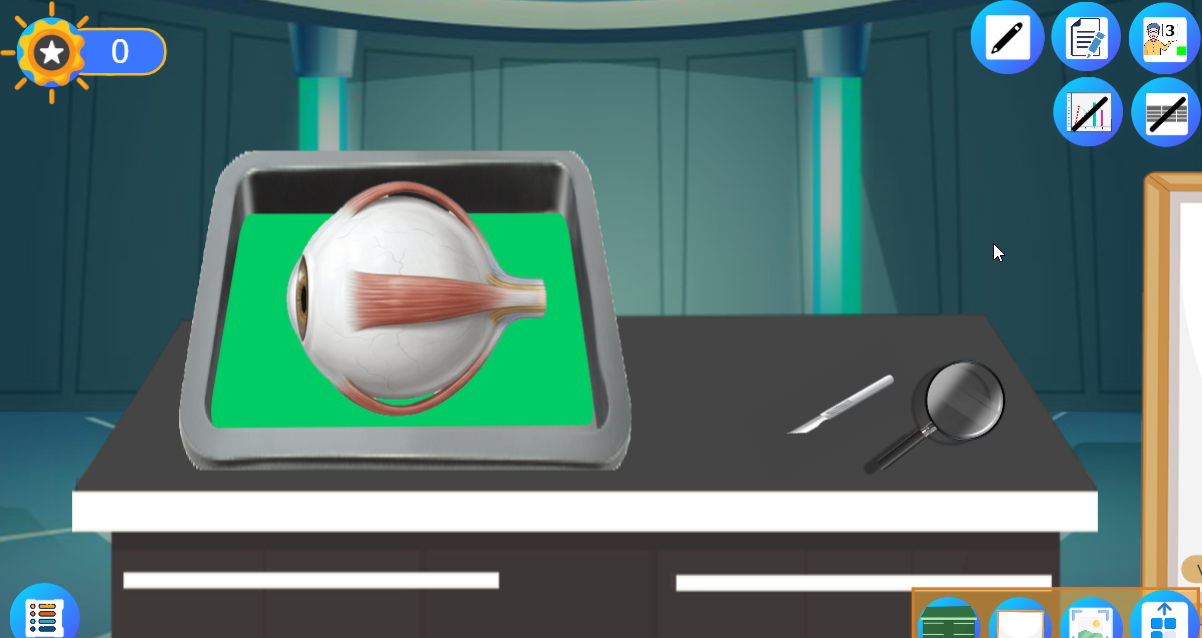
Objective: To learn the structure of the eye and its internal parts, and understand how light is rec......
Physics
Objective: To learn the structure of the eye and its internal parts, and understand how light is received and images are formed.Materials: Animal eye _ Scalpel _ Scissors _ Forceps _ Gloves _ Dissection traySteps: Observe the outer shape of the eye and identify its visible parts. Examine the interna......

Objective: To understand the development of writing and technology over time.Materials: Pictures rep......
Science
Objective: To understand the development of writing and technology over time.Materials: Pictures representing old and modern writing and communication toolsSteps: Observe the displayed images of writing and technology tools. Arrange the images in chronological order from oldest to newest.Observation......
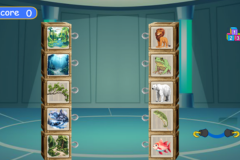
Objective: To learn how animals hide themselves in the environment to stay safe.Materials: Pictures......
Science
Objective: To learn how animals hide themselves in the environment to stay safe.Materials: Pictures of different environments _ Pictures of various animalsSteps: Look at the displayed pictures of different environments. Match each animal with the environment where it can hide.Observation: Animals hi......
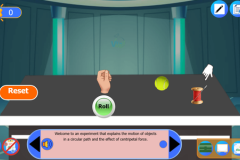
Objective: To describe the motion of an object moving in a circular path. To understand the concept......
Physics
Objective: To describe the motion of an object moving in a circular path. To understand the concept of centripetal force and its role in circular motion.Materials: Tennis ball _ String about 120 cm longSteps: Tie the tennis ball firmly to one end of the string. Hold the other end so that the distanc......
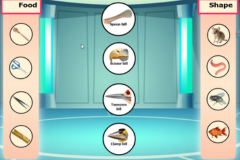
Objective: To identify the relationship between the shape of a bird’s beak and the type of food it e......
Change Over Time
Objective: To identify the relationship between the shape of a bird’s beak and the type of food it eats, and to understand how the beak helps the bird obtain its food.Materials: Pictures of different bird beaks _ Pictures of tools similar to beak shapes _ Pictures of different types of foodSteps: Ob......

Objective: To identify types of information sources and determine whether they are primary or second......
Discover
Objective: To identify types of information sources and determine whether they are primary or secondaryMaterials: Various images of information sourcesSteps: Observe each image and determine whether it is a primary or secondary source Write your answer below each imageObservation: Some images repres......
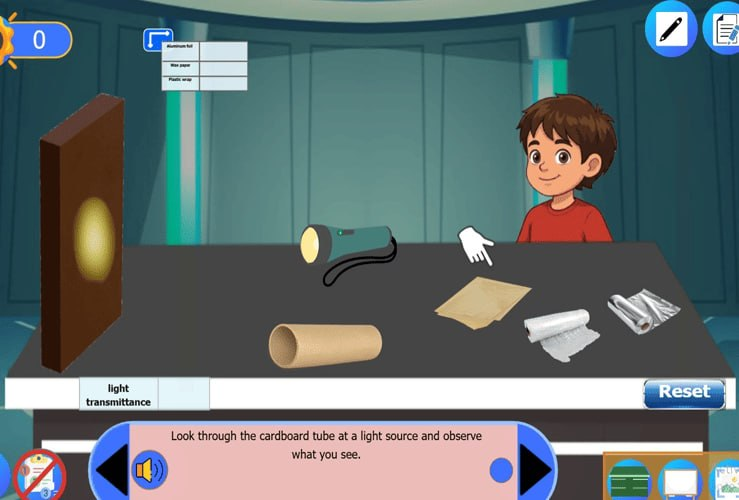
Information Processing and Living Things
Objective: To identify materials that allow light to pass through them and classify them as transpar......
Information Processing and Living Things
Objective: To identify materials that allow light to pass through them and classify them as transparent, translucent, or opaqueMaterials: Cardboard tube _ Aluminum foil _ Wax paper _ Transparent plastic wrap _ Rubber bandSteps: Look through the cardboard tube toward a light source and record your ob......
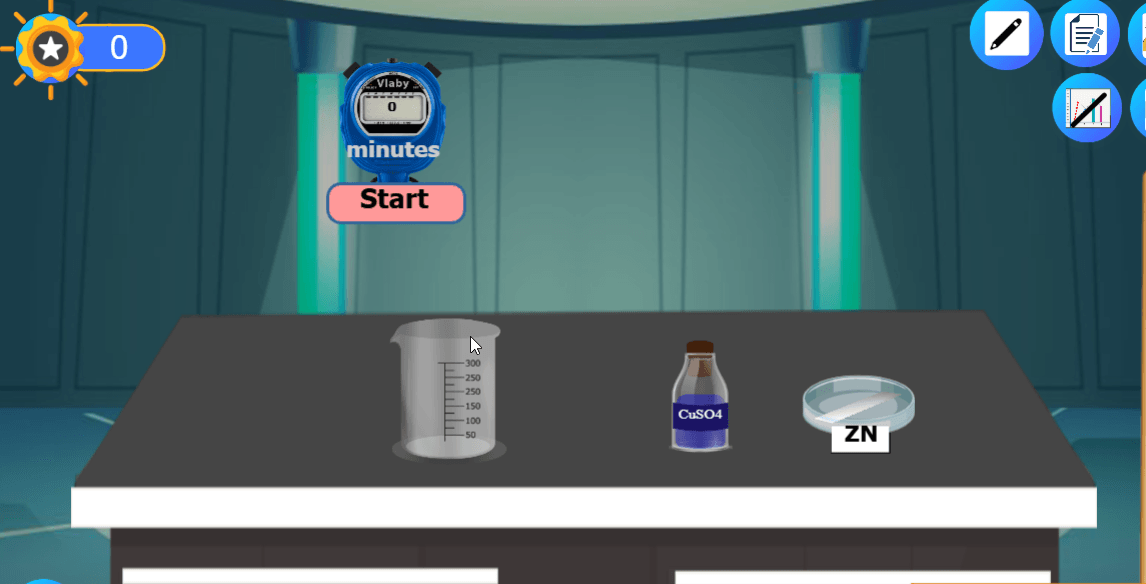
Objective: To study a spontaneous redox reaction between zinc metal and copper sulfate solutionMater......
Chemistry
Objective: To study a spontaneous redox reaction between zinc metal and copper sulfate solutionMaterials: Zinc plate _ Copper sulfate solution CuSO4 _ Glass beaker _ Forceps _ Glass rodSteps: Pour copper sulfate solution into a beaker Immerse the zinc plate in the solution Observe the surface and co......
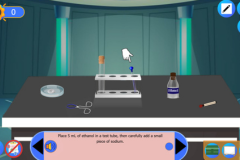
Objective: To identify the reaction of ethanol with sodium and prove that ethanol has weak acidic pr......
Objective: To identify the reaction of ethanol with sodium and prove that ethanol has weak acidic properties.Materials: Test tube (10 mL) _ Ethanol _ A piece of sodium _ MatchstickSteps: Put 5 mL of ethanol in a test tube. Add a small piece of sodium carefully into the test tube. Close the mouth of......
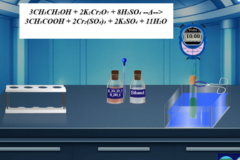
Objective: Study the oxidation of ethanol.Materials: Test tube 10 mL _ Water bath _ Ethanol _ Acidif......
Organic chemistry
Objective: Study the oxidation of ethanol.Materials: Test tube 10 mL _ Water bath _ Ethanol _ Acidified potassium dichromate solution (orange in color)Steps: Place 3 mL of ethanol in a test tube. Add an equal amount of acidified potassium dichromate solution. Heat the mixture in a water bath for 10......
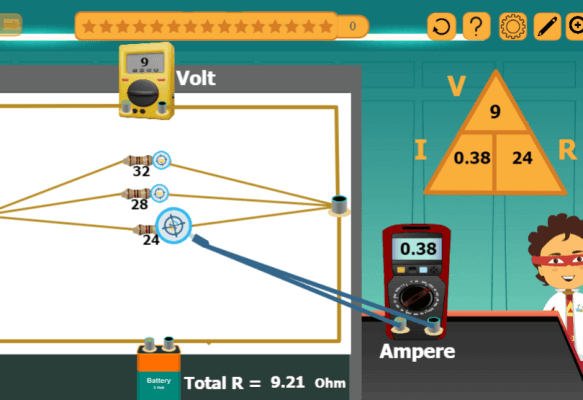
Objective: Verify Kirchhoff’s First LawMaterials: Power source (battery) _ Set of resistors with dif......
D.C circuits
Objective: Verify Kirchhoff’s First LawMaterials: Power source (battery) _ Set of resistors with different values _ Connecting wires _ Switch _ Main ammeter to measure total current _ Branch ammeter to measure current in each branchSteps: Construct an electric circuit using the available components.......
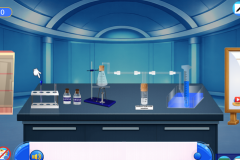
Objective: Preparation of ethene gas from ethyl alcohol (ethanol) and identification of the dehydrat......
Organic chemistry
Objective: Preparation of ethene gas from ethyl alcohol (ethanol) and identification of the dehydration reaction of alcohols.Materials: Bunsen burner _ Round-bottom flask _ Thermometer _ Ethanol (ethyl alcohol) _ Concentrated sulfuric acid _ Bottle containing sodium hydroxide solution _ Water trough......

© All Rights Reserved @ 2026 For VLaby - Powered By VLaby.