English
 Arabic
 French
 German
 Indonesian


English
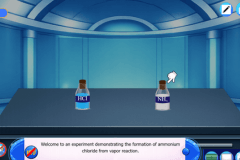
Objective:Observe the formation of solid ammonium chloride from the reaction between ammonia vapors......
M17: Acids and Bases
Objective:Observe the formation of solid ammonium chloride from the reaction between ammonia vapors and hydrogen chloride vaporsMaterials:Concentrated hydrochloric acid (HCl) Concentrated ammonia solution (NH₃)Procedure:Open the bottle of hydrochloric acidOpen the bottle of ammoniaBring the mouths o......
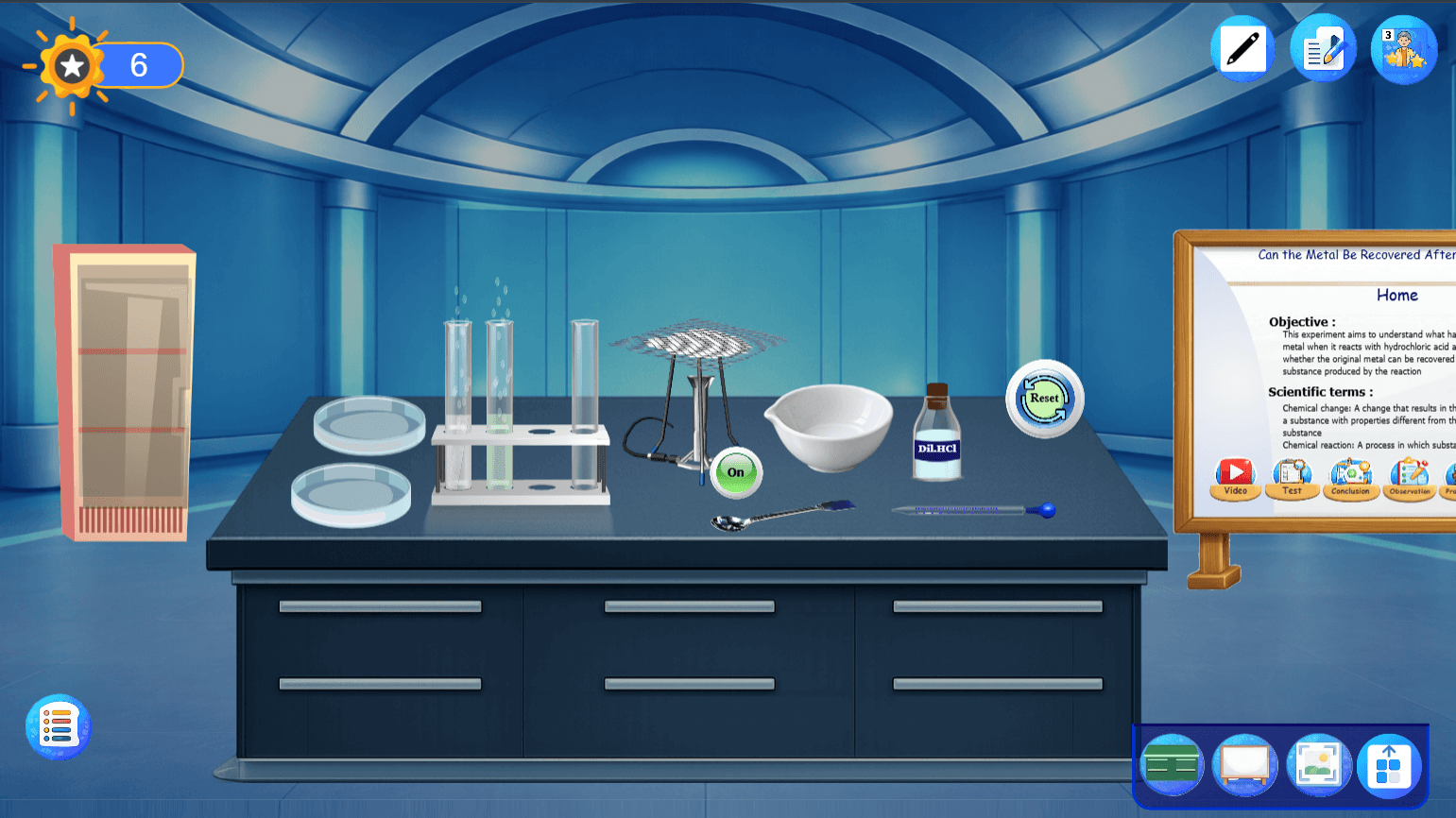
Objective:Identify what happens to a metal when it reacts with hydrochloric acid and determine wheth......
Science
Objective:Identify what happens to a metal when it reacts with hydrochloric acid and determine whether the original metal can be recovered from the new substance produced by the reactionMaterials:Two test tubes – A small piece of aluminum – A small piece of steel wool – Dilute hydrochloric acid – Dr......
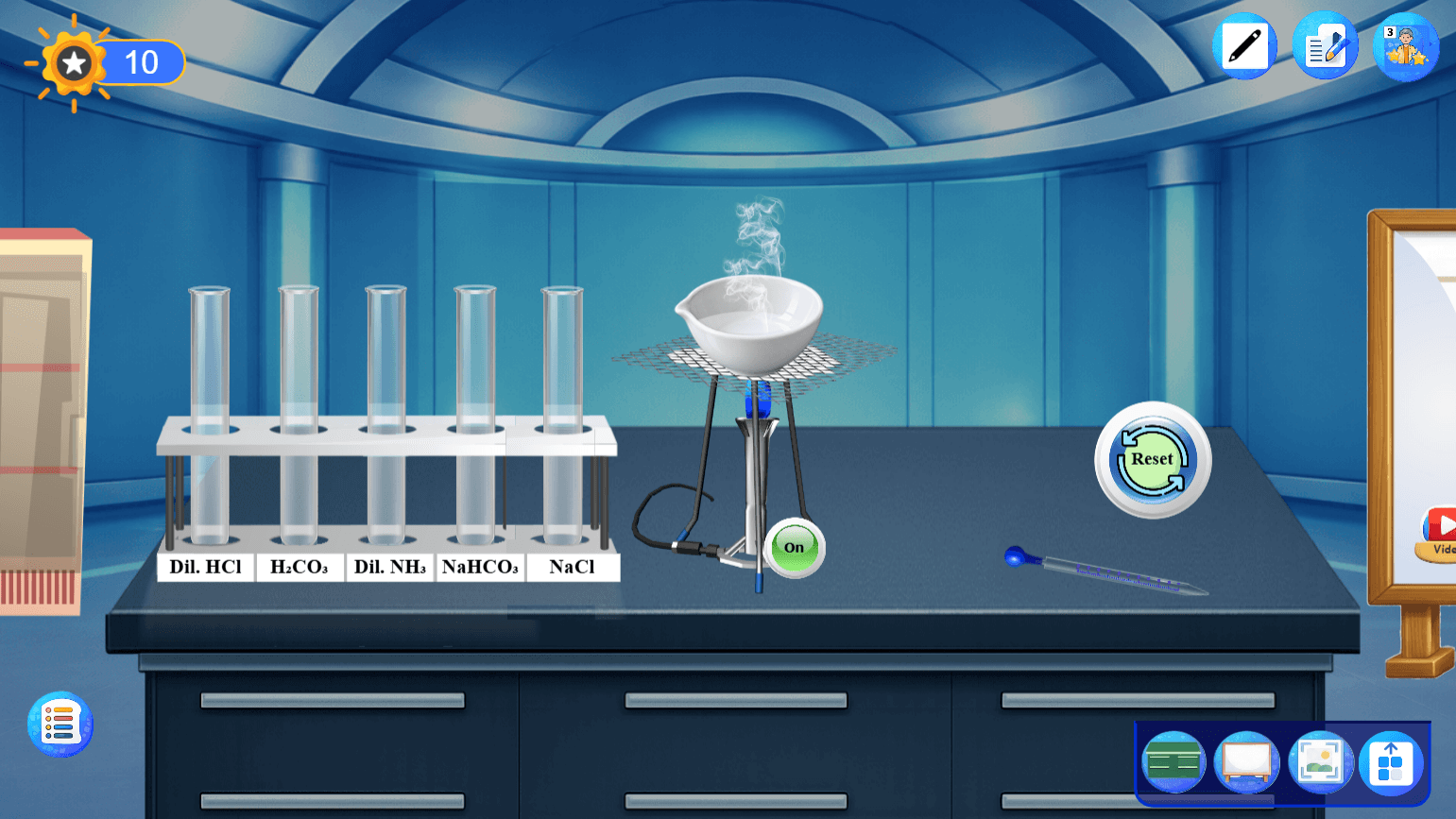
Objective:Identify the state of the dissolved substance in a solution by heating it and evaporating......
Science
Objective:Identify the state of the dissolved substance in a solution by heating it and evaporating the solvent, then observing the remaining substance.Materials:Test tubes – Solutions: salt water, sparkling water, dilute hydrochloric acid, baking soda solution, dilute ammonia solution – Evaporating......
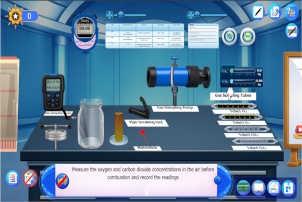
Objective:Detect the carbon dioxide gas produced by burning the candle using clear limewater.Materia......
Science
Objective:Detect the carbon dioxide gas produced by burning the candle using clear limewater.Materials:Two glass containers – Two lids – Candle – Candle holder – Clear limewater – Safety goggles – LighterProcedure:Place equal amounts of clear limewater in the two glass containers Place the candle on......
Objective:Identify the effect of different gases on the combustion process and compare the effect of......
Science
Objective:Identify the effect of different gases on the combustion process and compare the effect of each gas on the candle flame.Materials:Glass trough – Glass gas collection jar – Oxygen gas cylinder – Nitrogen gas cylinder – Carbon dioxide gas cylinder – Glass cover – Candle – Matchstick – Long h......
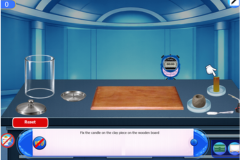
Objective:Demonstrate the importance of air entering and hot gases leaving in maintaining the combus......
Science
Objective:Demonstrate the importance of air entering and hot gases leaving in maintaining the combustion process.Materials:Candle – Piece of clay – Metal cover – Bottomless glass container – Candle holder – Wooden board – LighterProcedure:Secure the candle on the piece of clay placed on the wooden b......
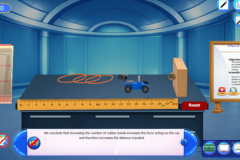
Objective:Study the relationship between the number of rubber bands used and the distance traveled b......
Science
Objective:Study the relationship between the number of rubber bands used and the distance traveled by the car while keeping the amount of band extension constant.Materials:Small wheeled car – One rubber band and then two rubber bands – Measuring tape – Platform or straight track – Clip or barrier fo......
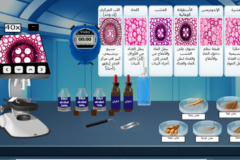
Objective:Identify different types of roots and examine the internal structure of a taproot using a......
Science
Objective:Identify different types of roots and examine the internal structure of a taproot using a cross-section and a microscope.Materials:Samples of different types of roots – Magnifying glass – Razor blade – Dissecting needle – Glass slide – Dropper – Distilled water – Safranin stain – Ethyl alc......
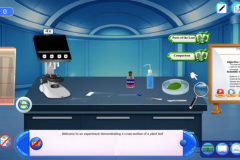
Objective:Examine and study the internal structure of the leaf and identify its different layers and......
Module A | Cells
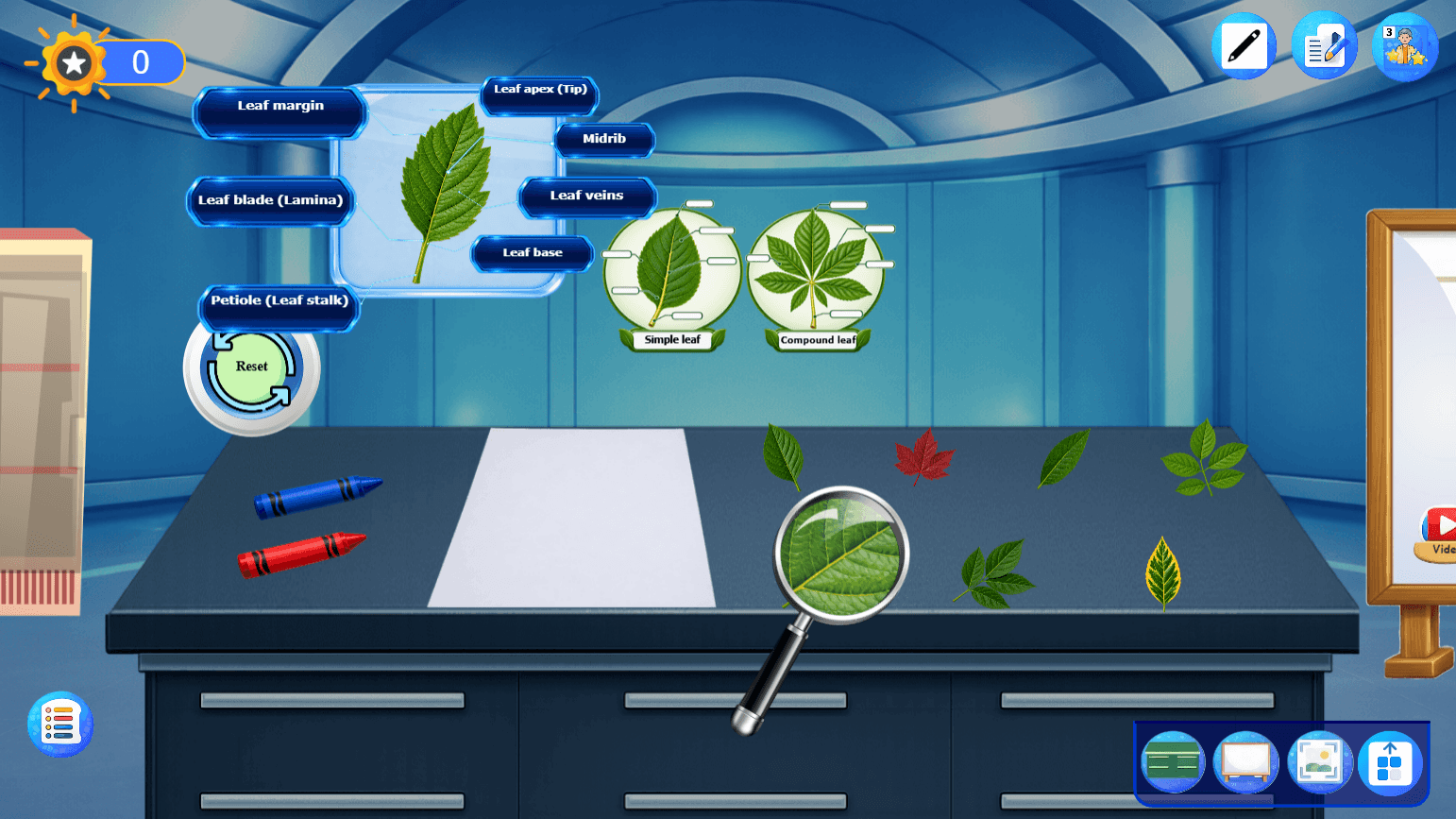
Objective:Examine and study the internal structure of the leaf and identify its different layers and tissues under a microscope.Materials:Green plant leaf – Scalpel – Glass slide – Dropper – Distilled water – Safranin stain – Coverslip – Microscope – Magnifying glassProcedure:Place the leaf under th......
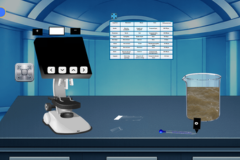
Unit 1 | Cells and Living Systems
Examining Microorganisms in a Water Sample
Unit 1 | Cells and Living Systems
Examining Microorganisms in a Water Sample
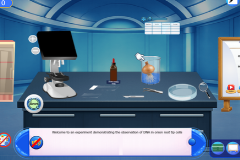
Unit 2 | Growth, Repair, and Reproduction
An interactive experiment demonstrating how to observe DNA in onion root tip cells. The experiment i......
Unit 2 | Growth, Repair, and Reproduction
An interactive experiment demonstrating how to observe DNA in onion root tip cells. The experiment involves cutting a small part of the root tip, preparing and staining it with acetocarmine, examining the sample under a microscope at different magnifications, and counting the visible cells and the c......
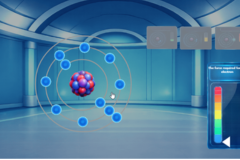
Unit 1 | Atoms and the Periodic Table
Relationship Between Electron Energy and Its Position in the Atom
Unit 1 | Atoms and the Periodic Table
Relationship Between Electron Energy and Its Position in the Atom
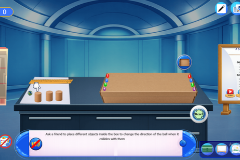
Unit 1 | Atoms and the Periodic Table
A simplified simulation of Rutherford’s experiment showing how hidden objects can be inferred by obs......
Unit 1 | Atoms and the Periodic Table
A simplified simulation of Rutherford’s experiment showing how hidden objects can be inferred by observing the paths and deflections of balls when they collide with them, similar to Rutherford’s inference of a small, dense nucleus inside the atom from the deflection of alpha particles.Rutherford Exp......
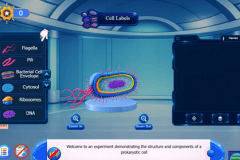
An Experiment Illustrating the Structure and Components of a Prokaryotic Cell.
biology
An Experiment Illustrating the Structure and Components of a Prokaryotic Cell.

© All Rights Reserved @ 2026 For VLaby - Powered By VLaby.