 English
 Arabic
 French
 German
 Indonesian


English
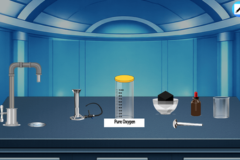
Keywords: Nonmetals – Oxygen – Combustion – Nonmetal oxides
Chemistry
Keywords: Nonmetals – Oxygen – Combustion – Nonmetal oxides
Keywords: Reaction rate – Chemical reactions – Rate of reaction – Variables
Chemistry
Keywords: Reaction rate – Chemical reactions – Rate of reaction – Variables
Unit one: chemical reactions. Lesson one: chemical reactions.Keywords (English): mercury oxide......
Chemistry
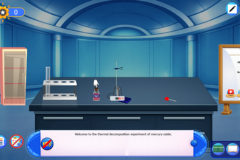
Unit one: chemical reactions. Lesson one: chemical reactions.Keywords (English): mercury oxide – thermal decomposition – mercury – oxygen
Unit one: chemical reactions. Lesson one: chemical reactions.Keywords (English): copper hydrox......
Chemistry
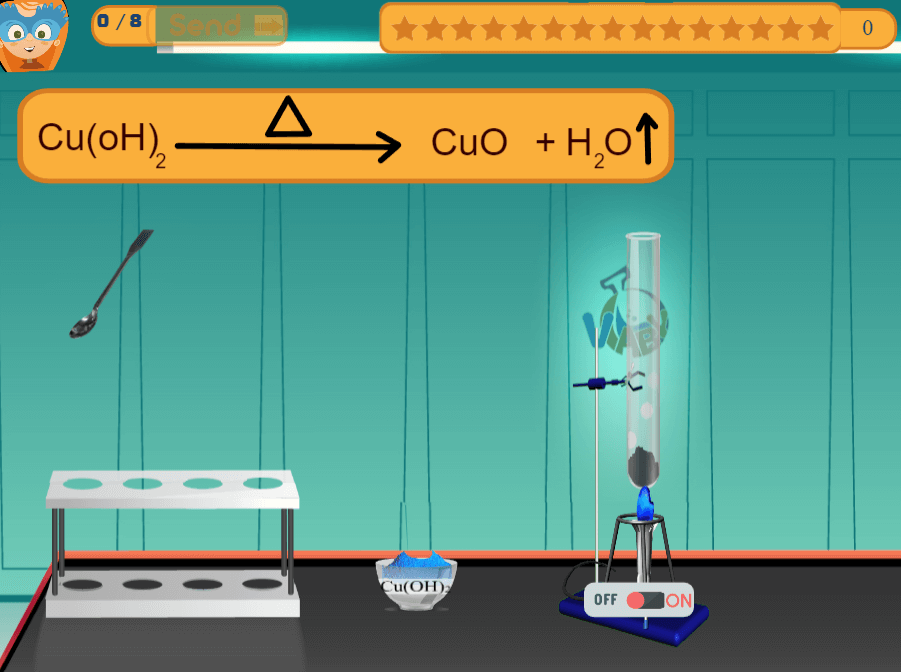
Unit one: chemical reactions. Lesson one: chemical reactions.Keywords (English): copper hydroxide – thermal decomposition – heating – oxides
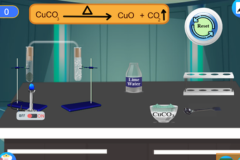
Unit one: chemical reactions. Lesson one: chemical reactions.Keywords (English): copper carbona......
Science
Unit one: chemical reactions. Lesson one: chemical reactions.Keywords (English): copper carbonate – heating – decomposition – carbon dioxide
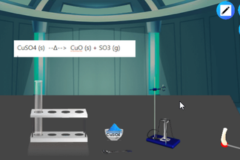
Unit one: chemical reactions. Lesson one: chemical reactions.Objective: To study the thermal......
Science
Unit one: chemical reactions. Lesson one: chemical reactions.Objective: To study the thermal decomposition of copper sulfate.Materials: Copper sulfate _ Spoon _ Bunsen burner _ Test tubeSteps: Heat a small amount of blue copper sulfate in a test tube using a Bunsen burner.Observation: A black......
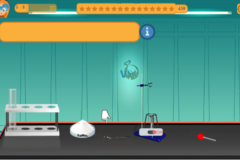
Unit one: chemical reactions. Lesson one: chemical reactions.Keywords (English): thermal deco......
Science
Unit one: chemical reactions. Lesson one: chemical reactions.Keywords (English): thermal decomposition – sodium nitrate – heat – oxides – thermal reaction
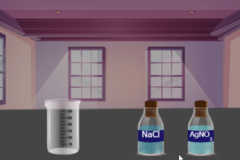
Unit one: chemical reactions. Lesson one: chemical reactions.Keywords (English): silver nitrate......
Science
Unit one: chemical reactions. Lesson one: chemical reactions.Keywords (English): silver nitrate – sodium chloride – white precipitate – precipitation reaction
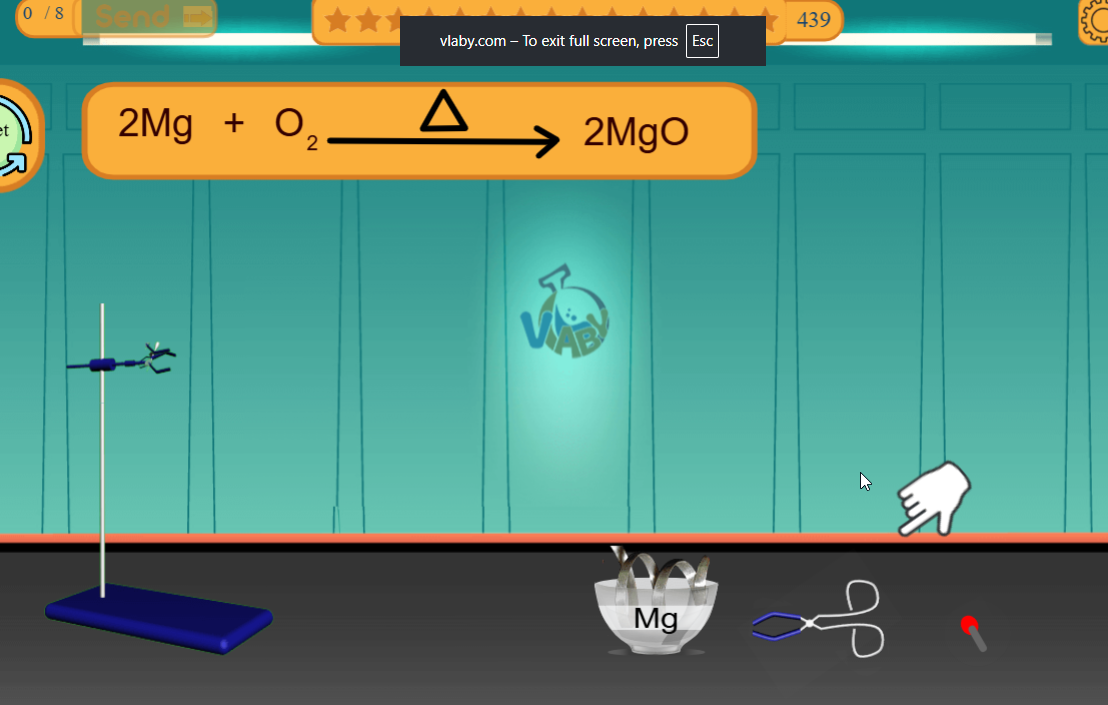
Keywords: Chemical reaction – Reactants – Products – Change
Science
Keywords: Chemical reaction – Reactants – Products – Change
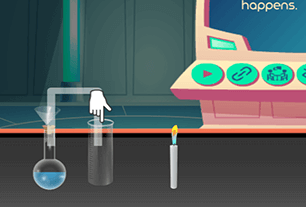
Purpose of experimentPreparation of carbon dioxide gas in the laboratorytoolsgraduated flask - glass......
Chemistry
Purpose of experimentPreparation of carbon dioxide gas in the laboratorytoolsgraduated flask - glass beaker - cork stopper with two holes - glass funnelU-shaped glass tube - dilute hydrochloric acid - calcium carbonatesteps Place the candle in the middle of the lab bench.Light the candle by usi......
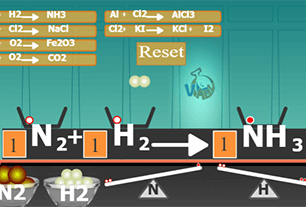
Keywords: Equation balancing – Chemical equilibrium – Reactants – Products – Atoms
Science
Keywords: Equation balancing – Chemical equilibrium – Reactants – Products – Atoms
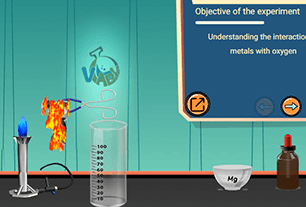
Keywords: Chemical properties – Metals – Oxidation – Oxides - Magnesium
Science
Keywords: Chemical properties – Metals – Oxidation – Oxides - Magnesium
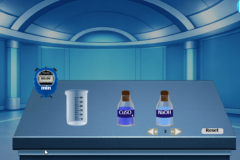
Unit One: Chemical Reactions. Lesson two: the speed of chemical reactions.Keywords (English): r......
Chemistry
Unit One: Chemical Reactions. Lesson two: the speed of chemical reactions.Keywords (English): reaction rate – time – reactants – products – chemistry
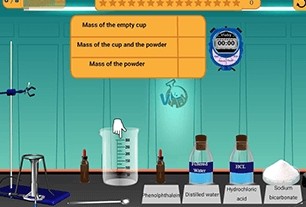
Formation of SaltKeywords (English): salt formation – ionic reaction – crystallization
Earth’s Water
Formation of SaltKeywords (English): salt formation – ionic reaction – crystallization

Keywords: Displacement reaction – Iron – Copper sulfate – Copper precipitation – Chemical change
Chemistry
Keywords: Displacement reaction – Iron – Copper sulfate – Copper precipitation – Chemical change
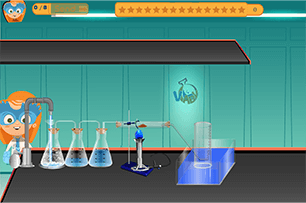
Keywords: Nitrogen gas – Preparation – Reaction – Products – Laboratory
Chemistry
Keywords: Nitrogen gas – Preparation – Reaction – Products – Laboratory
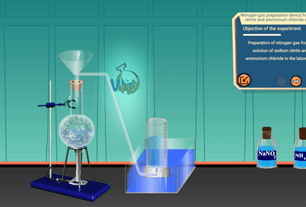
Keywords: Nitrogen – Salts – Chemical reaction – Analysis
Chemistry
Keywords: Nitrogen – Salts – Chemical reaction – Analysis
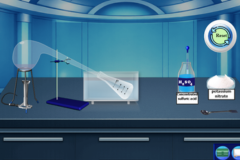
Keywords: Nitrogen gas – Preparation – Reaction – Products – Laboratory
Chemistry
Keywords: Nitrogen gas – Preparation – Reaction – Products – Laboratory
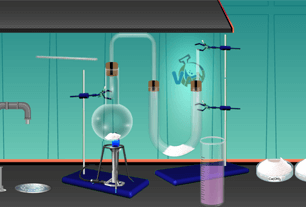
Keywords: Ammonia gas – Ammonia – Preparation apparatus – Odors – Bases
Chemistry
Keywords: Ammonia gas – Ammonia – Preparation apparatus – Odors – Bases
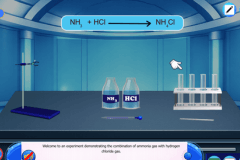
Keywords: Ammonia – Hydrogen chloride – White vapor – Gas combination
Science
Keywords: Ammonia – Hydrogen chloride – White vapor – Gas combination
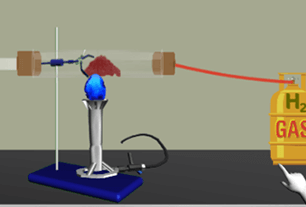
The process of oxidation and reduction according to the traditional conceptKeywords (English): oxida......
Chemistry
The process of oxidation and reduction according to the traditional conceptKeywords (English): oxidation – reduction – electron loss – electron gain – redox reactions
Objective:Identify the effect of the reaction of reactive metals with hydrogenMaterials:Glass beaker......
Chemistry
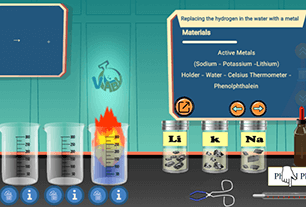
Objective:Identify the effect of the reaction of reactive metals with hydrogenMaterials:Glass beaker – Water – Lithium – Sodium – Potassium – Tongs – Thermometer – Phenolphthalein solutionProcedure:Fill three beakers with equal amounts of water Add a few drops of phenolphthalein solution to each bea......
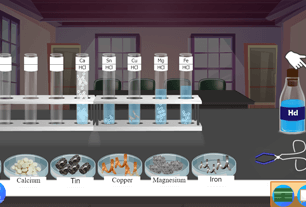
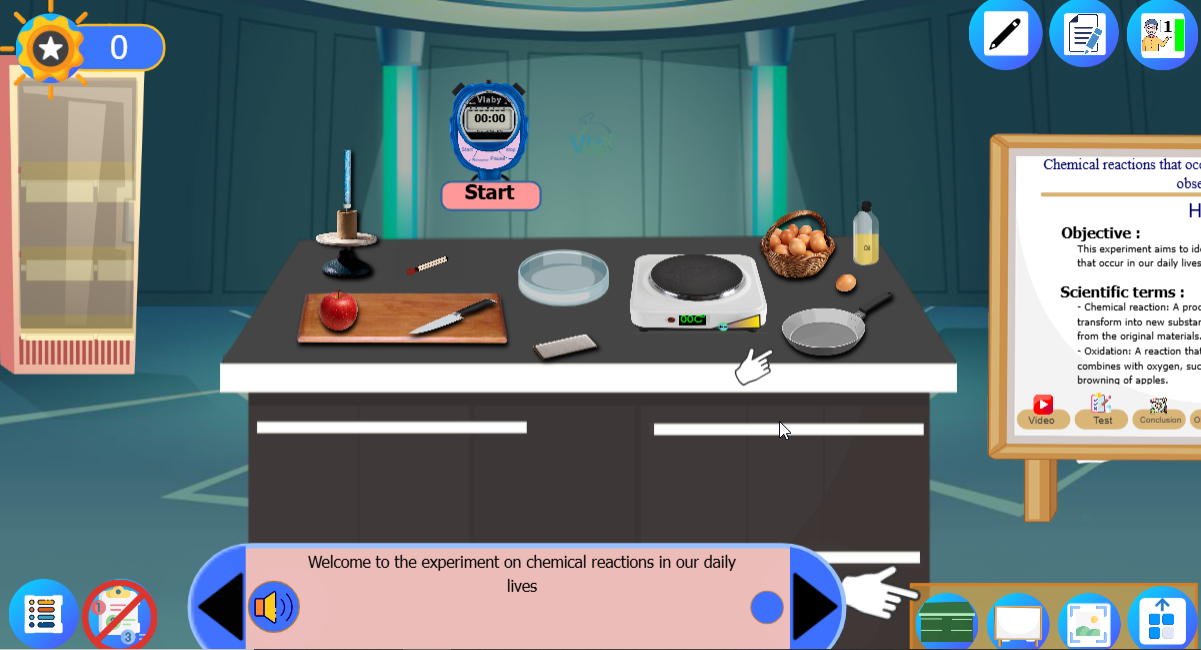
Keywords: Chemical reactions – Daily life – Change – Energy
Science
Keywords: Chemical reactions – Daily life – Change – Energy

Keywords: Properties – Substances – Chemical reaction – Before reaction – After reaction – Changes
Science
Keywords: Properties – Substances – Chemical reaction – Before reaction – After reaction – Changes
Keywords: Chemical reaction – Precipitate – Reactants – Products – Chemical change – Observation
Science
Keywords: Chemical reaction – Precipitate – Reactants – Products – Chemical change – Observation
Objective: To distinguish between a mixture and a compound through the reaction of iron and sulfur.M......
Properties of materials
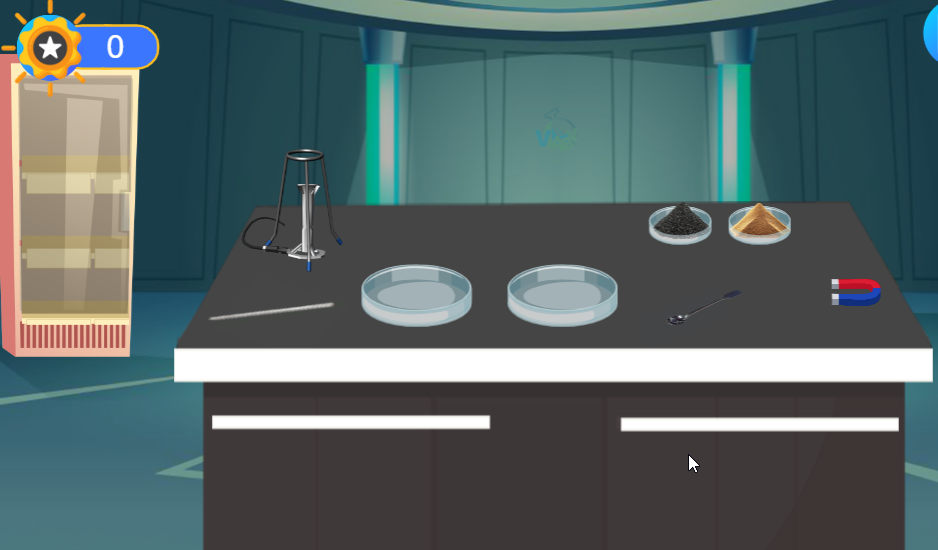
Objective: To distinguish between a mixture and a compound through the reaction of iron and sulfur.Materials: Two dishes – stirring tool – boiling tube – test tube holder – sulfur powder – iron filings – steel wool – magnet.Steps: Place some iron filings in a glass beaker, add yellow sulfur powder,......
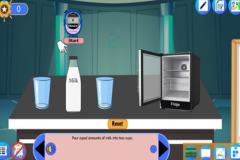
Objective: To identify the effect of temperature on chemical changes and observe milk spoilage when......
Science
Objective: To identify the effect of temperature on chemical changes and observe milk spoilage when left at room temperature.Materials: Small glass cup, equal amounts of milk.Steps: Pour equal amounts of milk into two small cups. Place the first cup in the refrigerator. Leave the second cup on a kit......
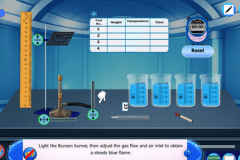
Keywords: Bunsen burner – Flame – Heating – Safety – Laboratory
Chemistry and physics
Keywords: Bunsen burner – Flame – Heating – Safety – Laboratory
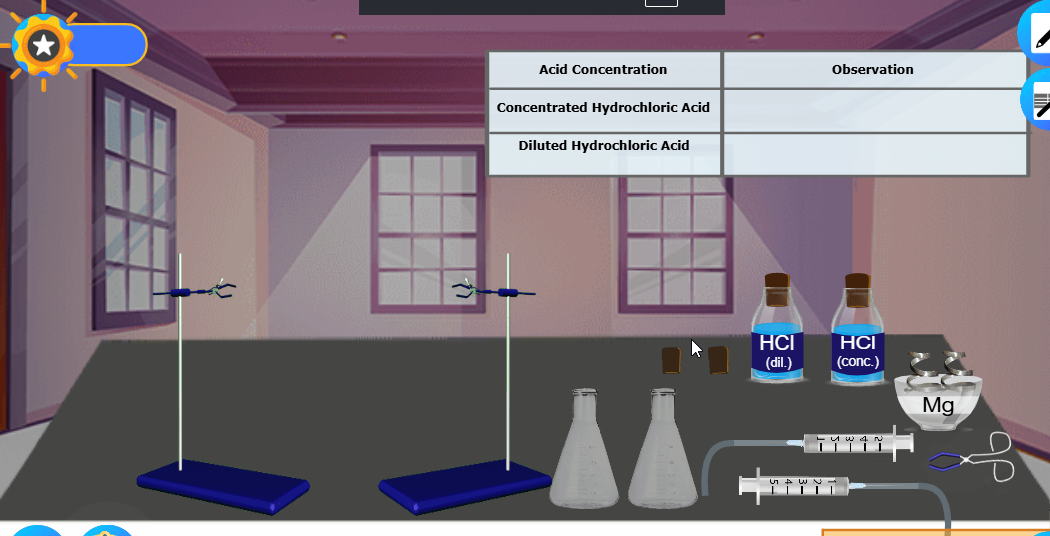
Unit One: Chemical Reactions. Lesson two: the speed of chemical reactions.Keywords (English): c......
Chemistry
Unit One: Chemical Reactions. Lesson two: the speed of chemical reactions.Keywords (English): concentration – reaction rate – reactants – collision frequency
Unit One: Chemical Reactions. Lesson two: the speed of chemical reactions.Keywords (English): s......
Chemistry
Unit One: Chemical Reactions. Lesson two: the speed of chemical reactions.Keywords (English): surface area – reaction rate – reactants – collisions
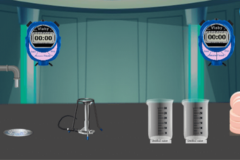
Objective To observe the effect of temperature on the rate of a chemical reactionTools Two glasses w......
Chemistry
Objective To observe the effect of temperature on the rate of a chemical reactionTools Two glasses with equal amounts of water, one hot and one cold Two effervescent tabletsSteps Place one tablet in the hot water and the other in the cold water Compare the rate of fizzing in both glassesObservation......
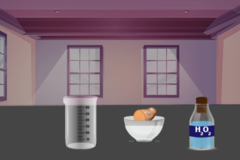
Unit One: Chemical Reactions. Lesson two: the speed of chemical reactions.Keywords (English): e......
Chemistry
Unit One: Chemical Reactions. Lesson two: the speed of chemical reactions.Keywords (English): enzymes – reaction rate – catalysts – biochemistry
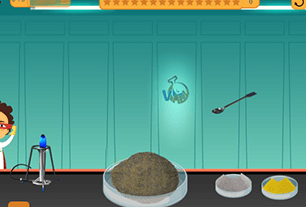
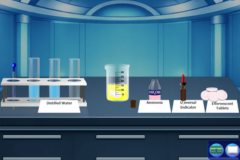
the goal:Explanation of how we can infer a chemical change has occurred.Materials and tools:Ammonia......
Chemistry
the goal:Explanation of how we can infer a chemical change has occurred.Materials and tools:Ammonia solution - Distilled water - Glass beaker - Universal indicator - Effervescent tablets.Steps:1- Put a quantity of distilled water in the glass.2- Add drops of ammonia solution into the water in the gl......
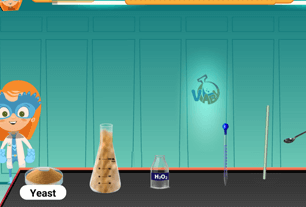
How can the reaction rate be increased?reaction rate – catalysts – temperature – concentration – sur......
Chemistry
How can the reaction rate be increased?reaction rate – catalysts – temperature – concentration – surface area
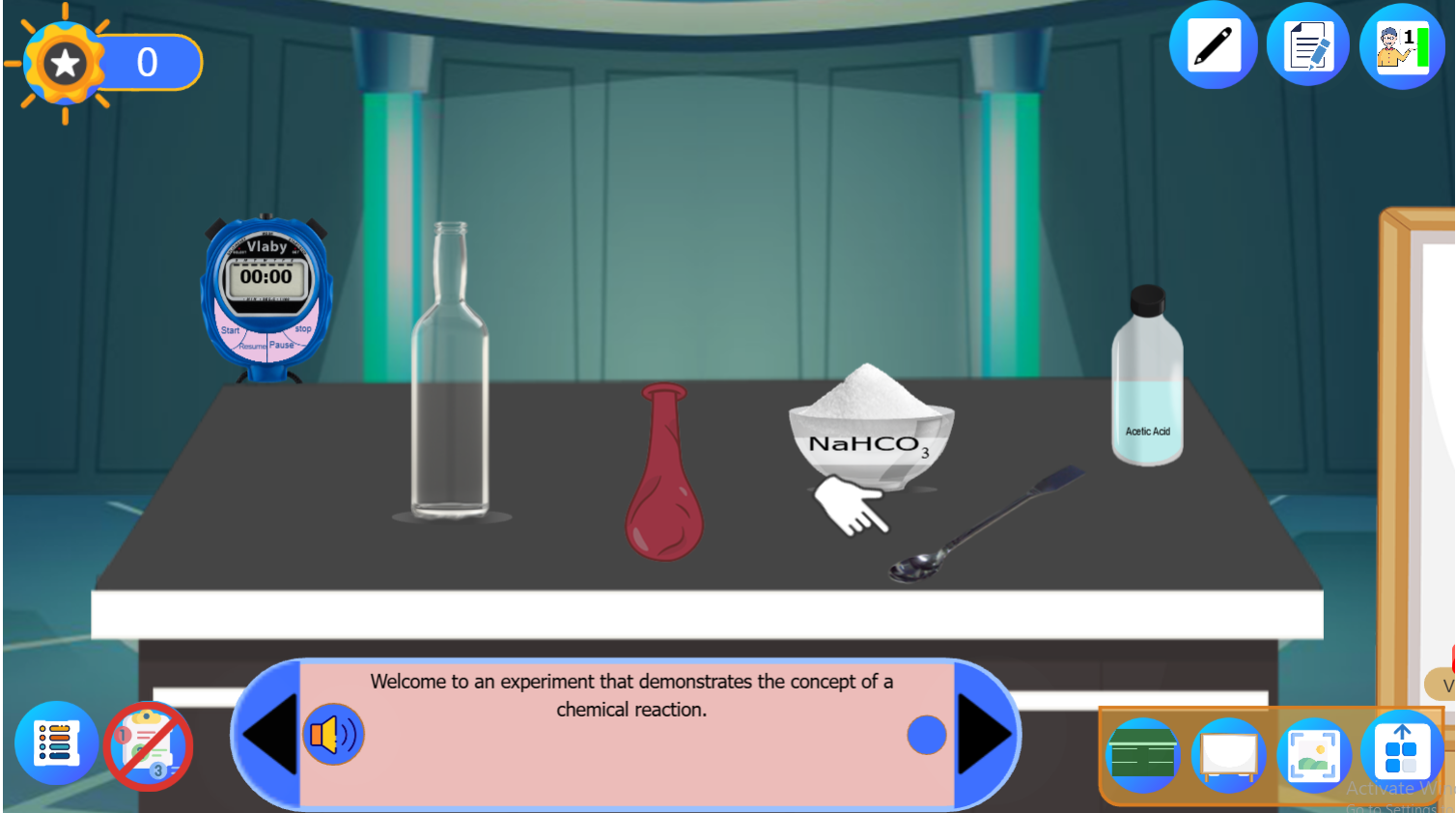
Materials: Properties and Changes
Objective: To identify indicators of a chemical reaction by observing the temperature change when vi......
Materials: Properties and Changes
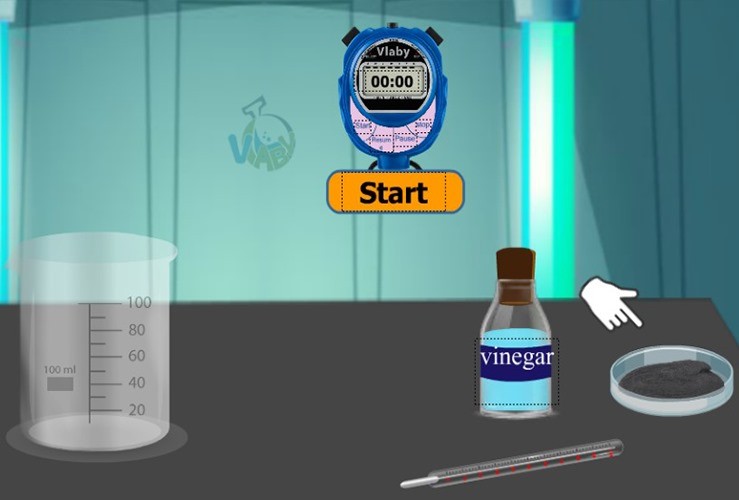
Objective: To identify indicators of a chemical reaction by observing the temperature change when vinegar reacts with steel wool.Materials: Steel wool ball – Vinegar – Glass cup – Thermometer.Steps: Place a steel wool ball in a glass cup. Pour vinegar over the steel wool and let it sit for 1–2 minut......
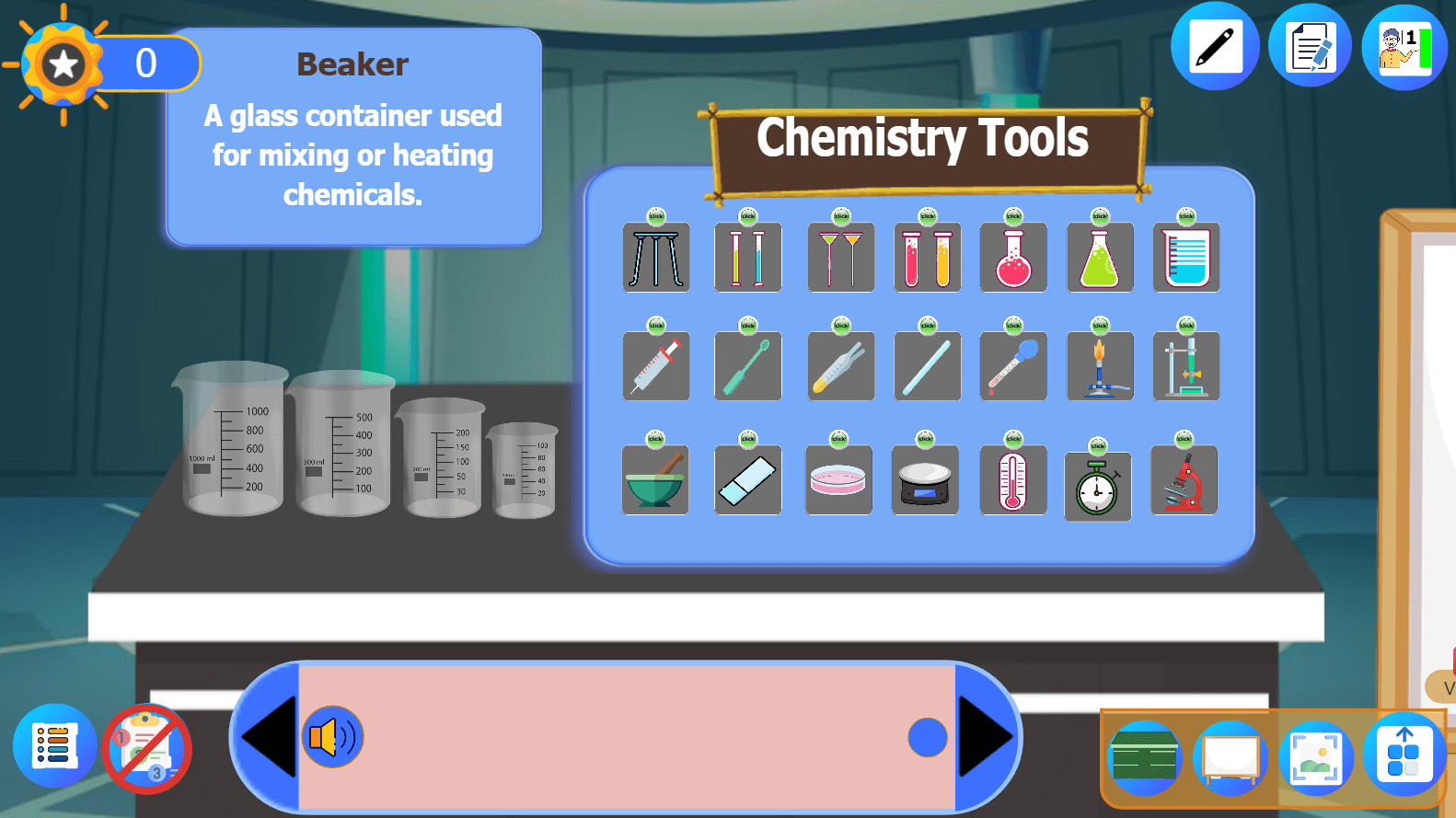
Keywords: Tools – Equipment – Laboratory – Chemical experiments – Identification – Safety
Chemistry
Keywords: Tools – Equipment – Laboratory – Chemical experiments – Identification – Safety
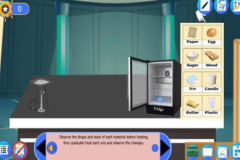
Objective: To distinguish between reversible and irreversible reactions.Materials: Candle – white pa......
Investigate Matter
Objective: To distinguish between reversible and irreversible reactions.Materials: Candle – white paper – egg – ice cubes – sugar – butter – heat source – heat-resistant container – tongs.Procedure: Observe each material before heating. Heat each material gradually and record the changes. Cool each......
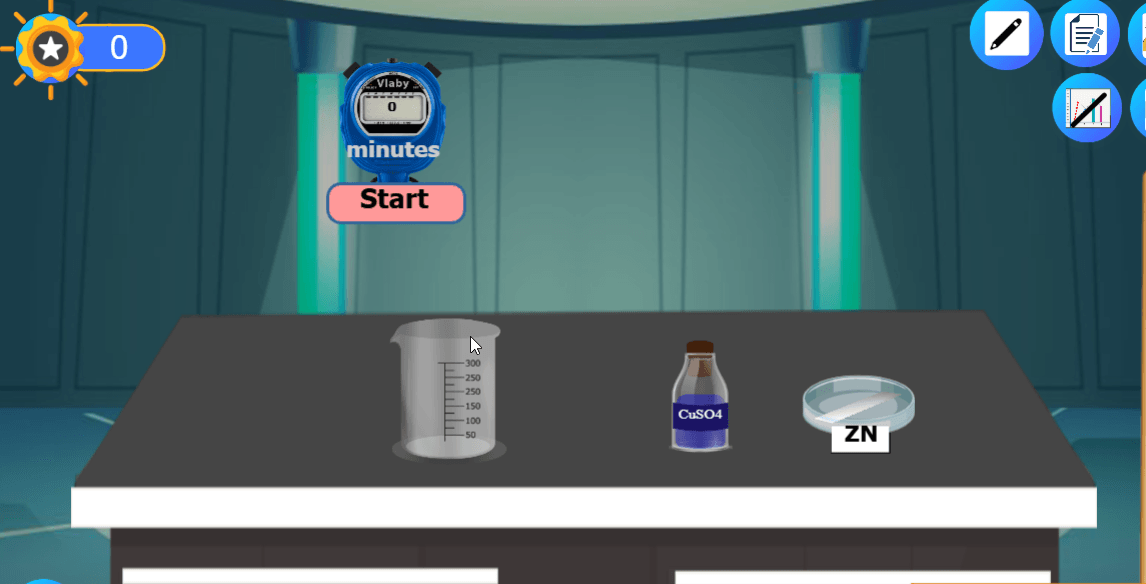
Objective: To study a spontaneous redox reaction between zinc metal and copper sulfate solutionMater......
Chemistry
Objective: To study a spontaneous redox reaction between zinc metal and copper sulfate solutionMaterials: Zinc plate _ Copper sulfate solution CuSO4 _ Glass beaker _ Forceps _ Glass rodSteps: Pour copper sulfate solution into a beaker Immerse the zinc plate in the solution Observe the surface and co......
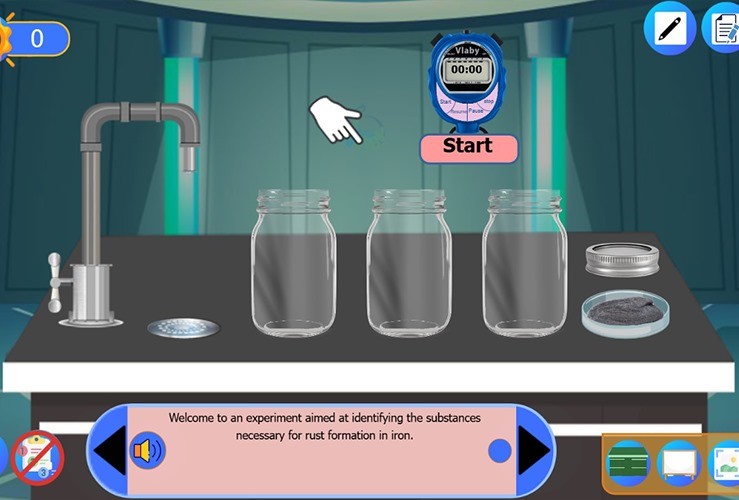
Objective: To identify the essential materials required for rust formation in ironMaterials: Steel w......
Materials
Objective: To identify the essential materials required for rust formation in ironMaterials: Steel wool – glass containers – lidProcedure: Place a piece of steel wool in each container and label them (1, 2, 3) In container 1, add a small amount of water to cover part of the steel wool and leave it u......
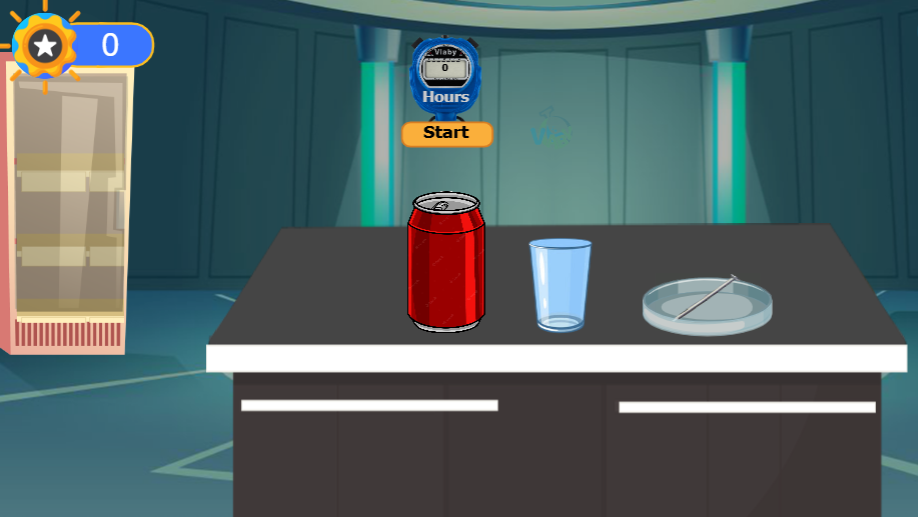
Objective: To investigate the effect of a soft drink on an iron nail and observe the changes that oc......
Science
Objective: To investigate the effect of a soft drink on an iron nail and observe the changes that occur over timeMaterials: Iron nail – glass cup – soft drinkSteps: Observe the appearance of the iron nail before starting the experiment Pour enough soft drink into the glass cup Drop the nail into the......
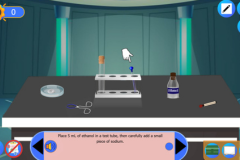
Objective: To identify the reaction of ethanol with sodium and prove that ethanol has weak acidic pr......
Chemistry
Objective: To identify the reaction of ethanol with sodium and prove that ethanol has weak acidic properties.Materials: Test tube (10 mL) _ Ethanol _ A piece of sodium _ MatchstickSteps: Put 5 mL of ethanol in a test tube. Add a small piece of sodium carefully into the test tube. Close the mouth of......
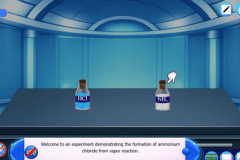
Objective:Observe the formation of solid ammonium chloride from the reaction between ammonia vapors......
M17: Acids and Bases
Objective:Observe the formation of solid ammonium chloride from the reaction between ammonia vapors and hydrogen chloride vaporsMaterials:Concentrated hydrochloric acid (HCl) Concentrated ammonia solution (NH₃)Procedure:Open the bottle of hydrochloric acidOpen the bottle of ammoniaBring the mouths o......
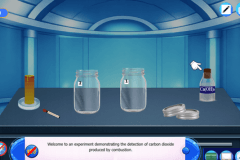
Objective:Detect the carbon dioxide gas produced by burning the candle using clear limewater.Materia......
Science
Objective:Detect the carbon dioxide gas produced by burning the candle using clear limewater.Materials:Two glass containers – Two lids – Candle – Candle holder – Clear limewater – Safety goggles – LighterProcedure:Place equal amounts of clear limewater in the two glass containers Place the candle on......
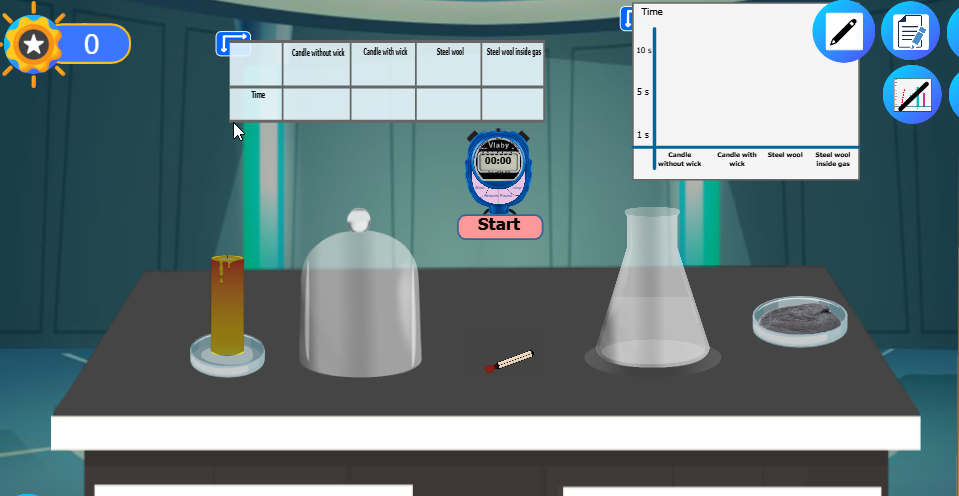
Objective: To prove that oxygen gas is essential for combustion and to study the effect of its conce......
Science
Objective: To prove that oxygen gas is essential for combustion and to study the effect of its concentration on the rate and intensity of burning.Tools: Paraffin candle _ Glass bell jar _ Piece of steel wool _ Flask containing pure oxygen gas _ MatchesSteps: Light the paraffin candle using a match.......
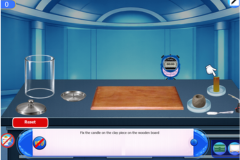
Objective:Demonstrate the importance of air entering and hot gases leaving in maintaining the combus......
Science
Objective:Demonstrate the importance of air entering and hot gases leaving in maintaining the combustion process.Materials:Candle – Piece of clay – Metal cover – Bottomless glass container – Candle holder – Wooden board – LighterProcedure:Secure the candle on the piece of clay placed on the wooden b......
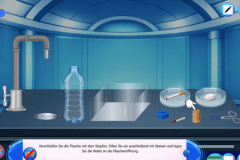
Objective:To identify the products of tobacco combustionMaterials:A transparent plastic bottle with......
Science
Objective:To identify the products of tobacco combustionMaterials:A transparent plastic bottle with a hole – A perforated cap – A stopper – A cigarette – A piece of white cotton – WaterProcedure:Close the bottle with the stopper then fill it with water Place the piece of cotton at the mouth of the b......
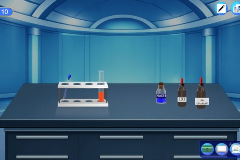
Objective:To identify the neutralization reaction between an acid and an alkali using a universal in......
Science
Objective:To identify the neutralization reaction between an acid and an alkali using a universal indicatorMaterials:Test tubes – Dropper – Dilute sodium hydroxide solution NaOH – Dilute hydrochloric acid HCl – Universal indicatorProcedure:Place 1 mL of dilute sodium hydroxide solution into a test t......
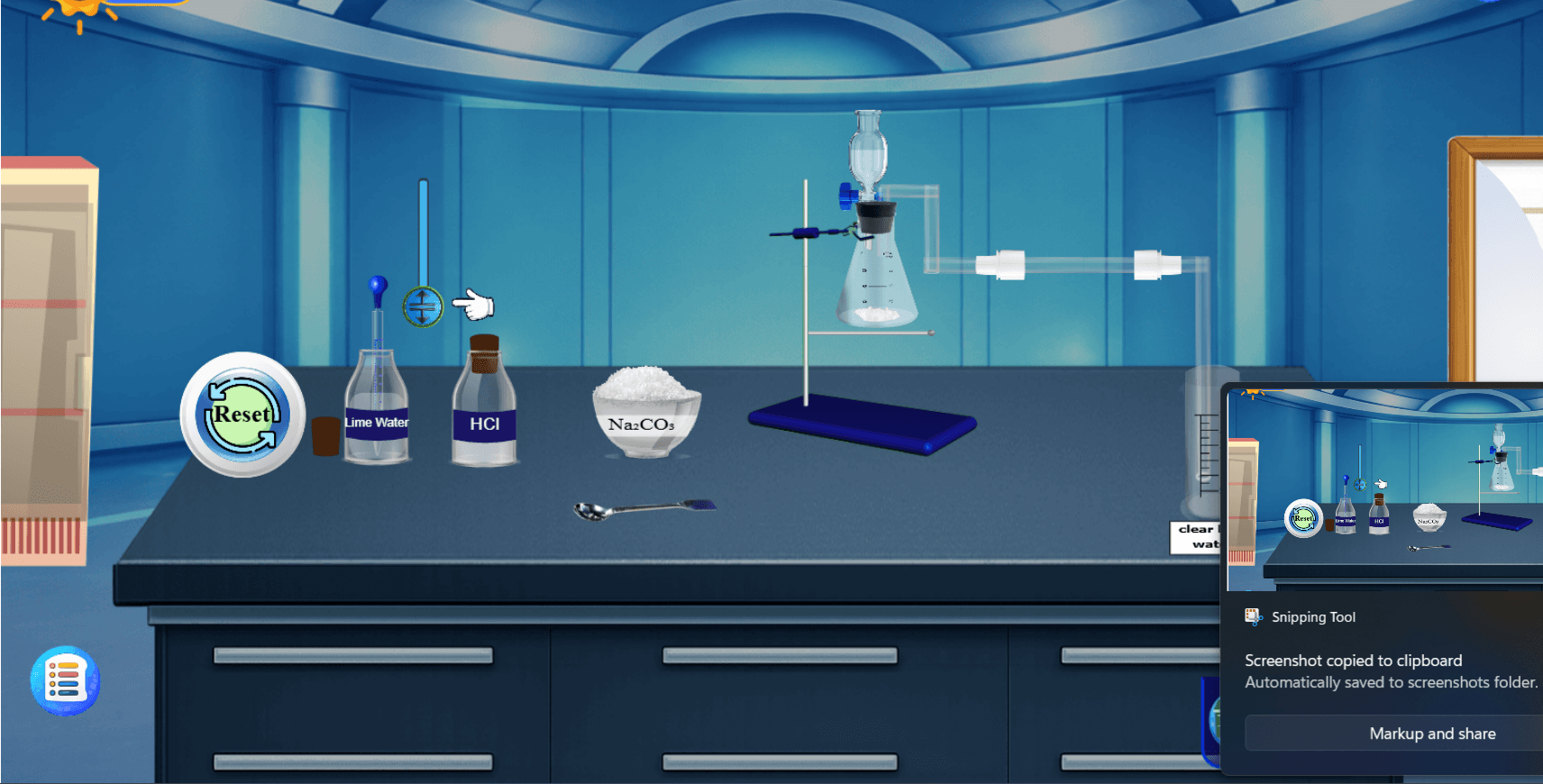
This experiment aims to study the reaction of a strong acid with a salt of a weak acid and identify......
Science
This experiment aims to study the reaction of a strong acid with a salt of a weak acid and identify the products formed.
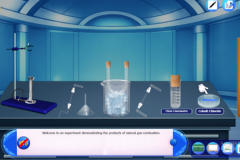
Objective:To identify the products of natural gas combustion and prove the formation of water vapor......
Science
Objective:To identify the products of natural gas combustion and prove the formation of water vapor and carbon dioxide gasMaterials:Bunsen burner using natural gas – Stand – Connecting tubes – Two-way tube – Anhydrous cobalt chloride paper – Test tube containing clear limewaterProcedure:Secure the t......

© All Rights Reserved @ 2026 For VLaby - Powered By VLaby.